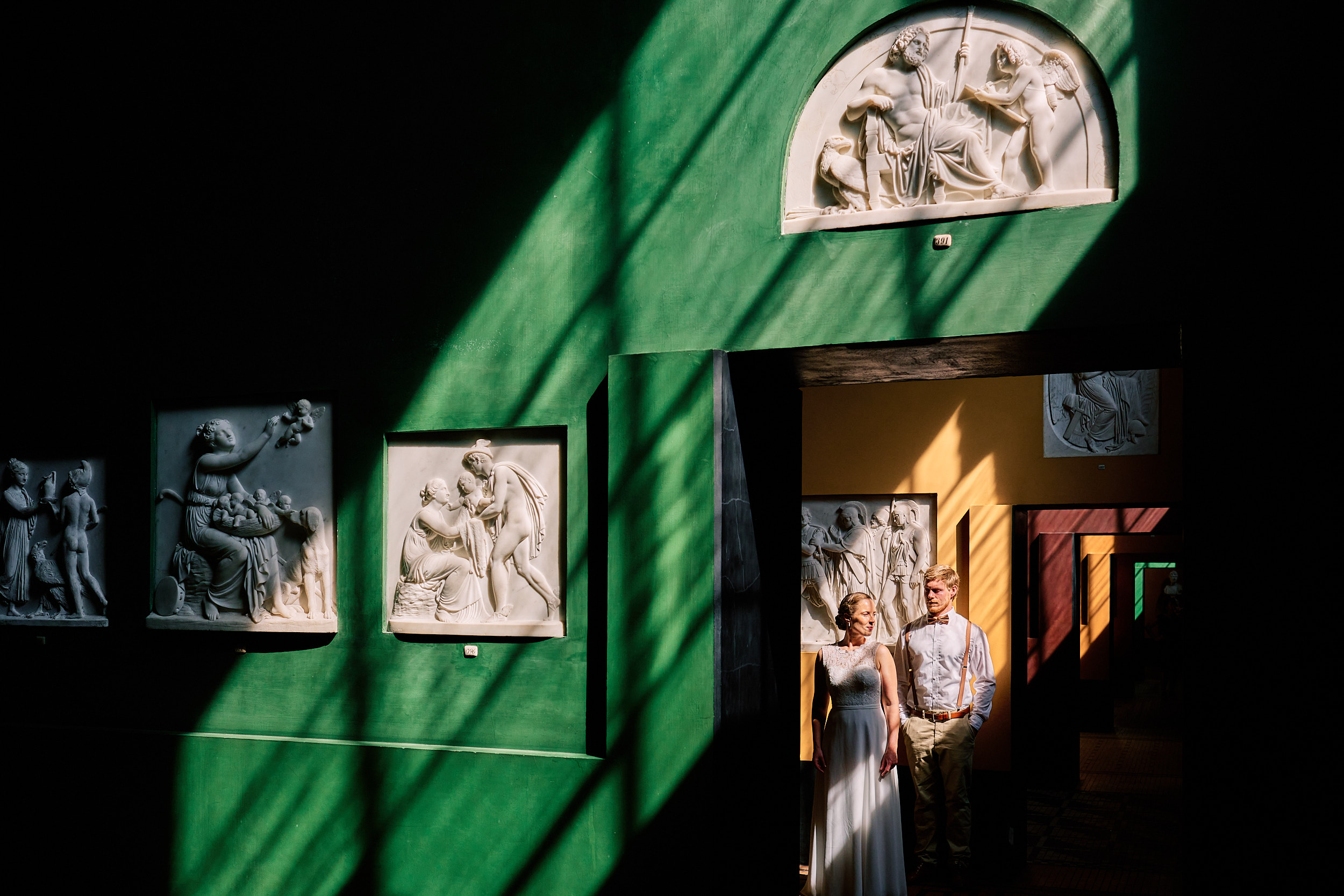
Getting Married in Copenhagen
I have spent whole days photographing couples across this city, from the steps of the city hall to the harbour at sunrise, and it is one of my favourite places to shoot a wedding precisely because it is so easy. Couples ask me the same things before they come, so here are my answers.
Copenhagen is compact, walkable and quietly beautiful, all painted facades, canals and bicycles. It is also, and this is the reason most couples pick it, the easiest place in Europe for two people of any nationality to marry legally, which is why it is sometimes called the wedding capital of the continent. You can sign the papers at the city hall and walk straight out into the best backdrops in town.
This is a city guide, so it is less about wild landscape and more about a good day on foot. These are the beats I would build it around: the city hall where you marry, the harbour at Nyhavn, and the old town and palaces around it. This is where I would send you, and what I would tell you before you go.
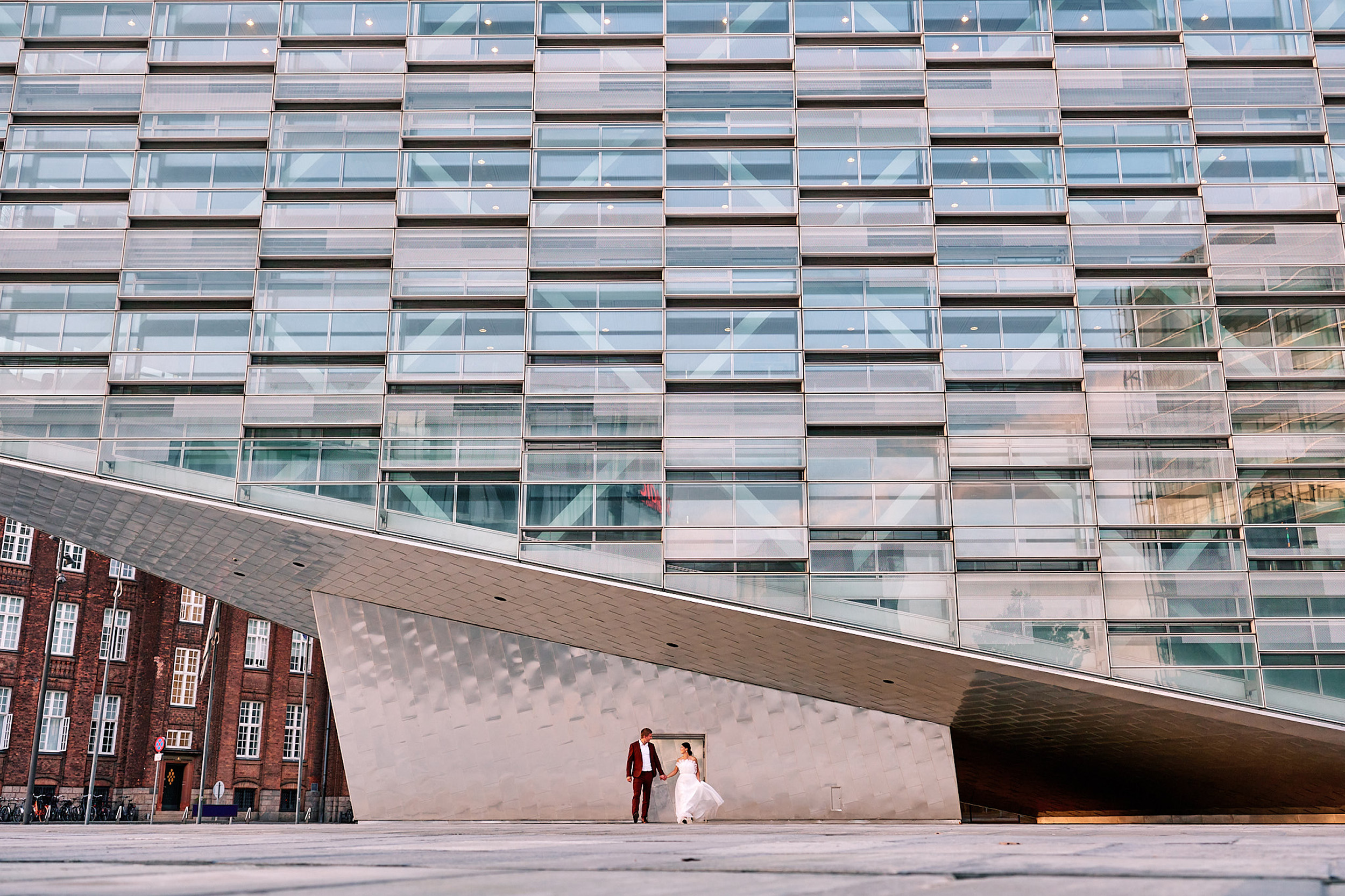
The City Hall
Copenhagen City Hall, the Rådhus on Rådhuspladsen, is where most couples actually marry: a grand old red-brick building with a great hall and stone staircases, minutes on foot from everything else worth photographing. The ceremonies are brief and English is offered as standard. Because the legal bit is so simple here, the day becomes mostly about the celebration and the walk through the city afterwards. You can see a whole day of it in Casey and Jordan's wedding.
Nyhavn and the old town
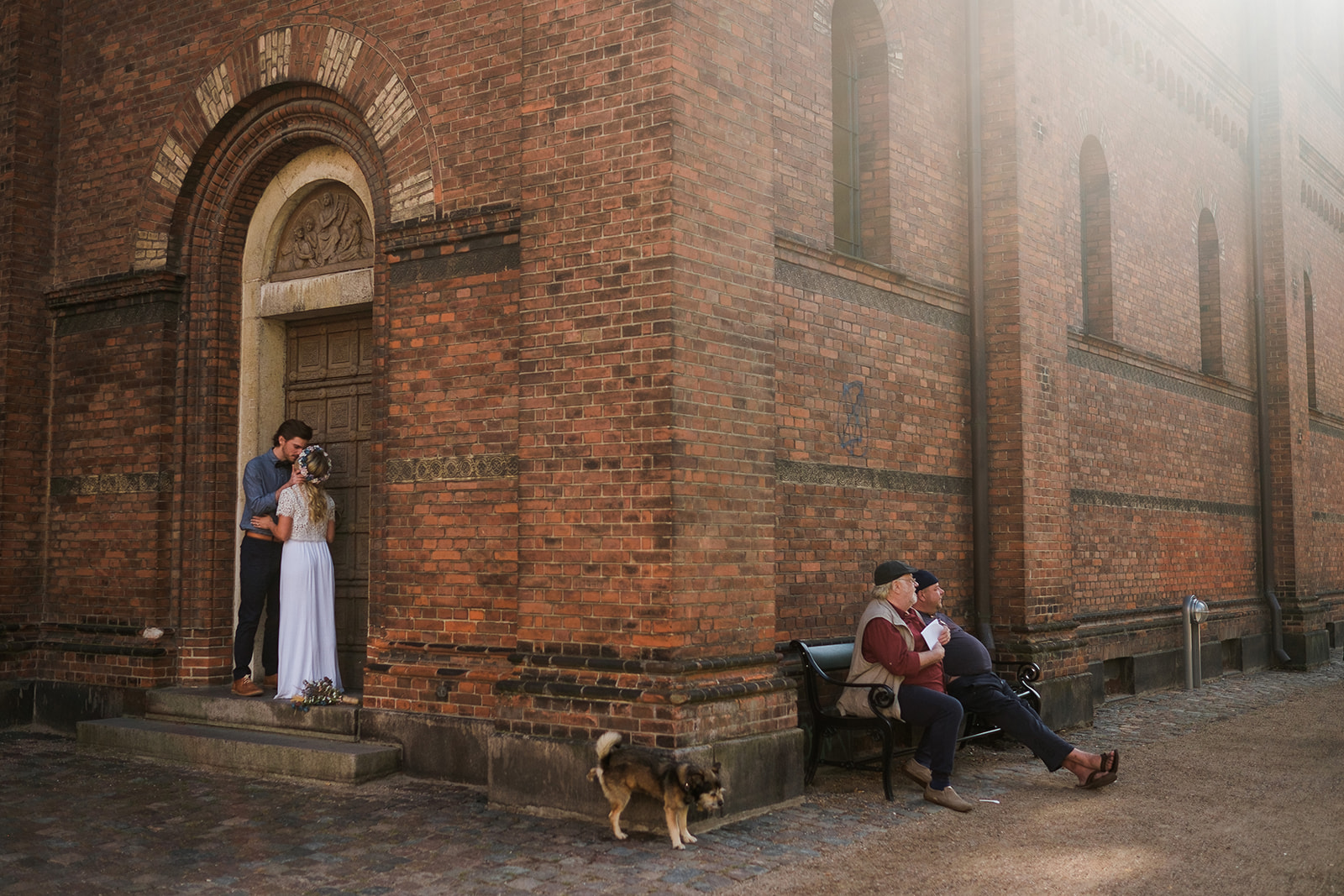
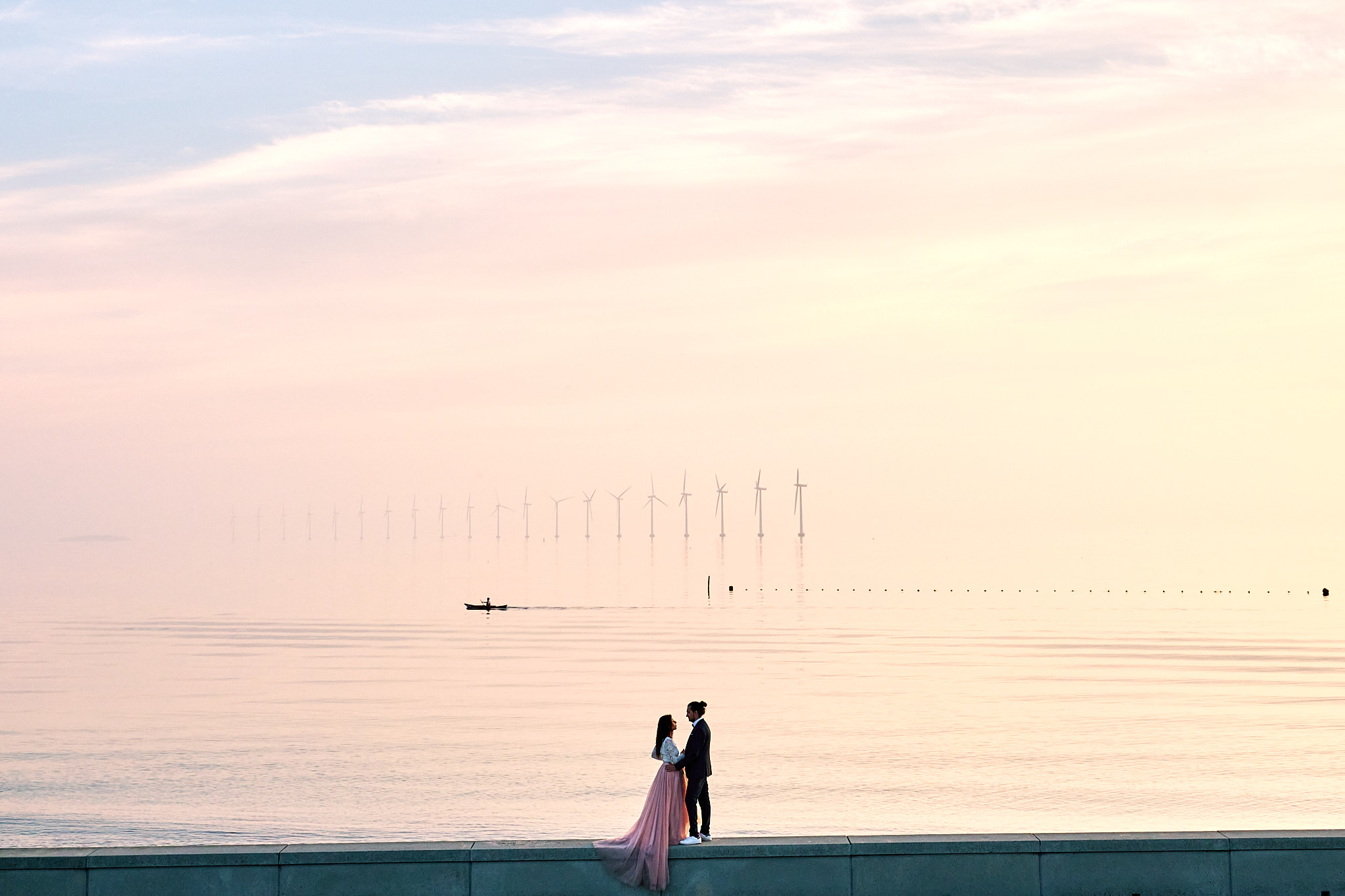
Nyhavn is the shot everyone knows, the line of seventeenth-century houses in every colour along the harbour, and it is worth being there early before the crowds. From there the whole icon list is a walk: the Marble Church and the royal square at Amalienborg, the canals of Christianshavn, the star-shaped fort and green ramparts at Kastellet, and the calm water of the lakes for something softer. You can move between all of them on foot in an afternoon, which is exactly why the city works so well for a wedding day.
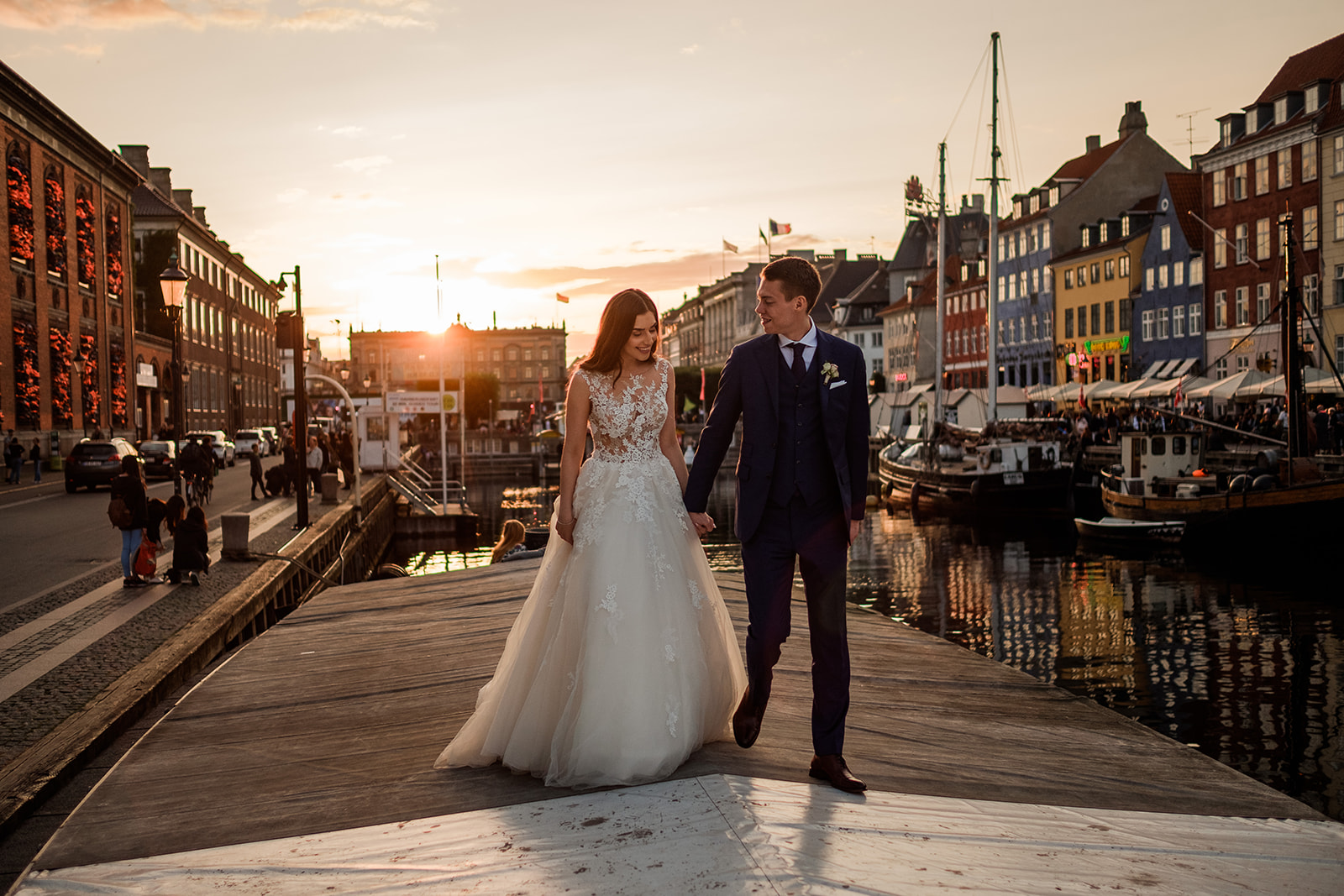
The easiest place to marry
You apply online to the Agency of Family Law for a certificate that you are free to marry, send in your passports and, if either of you was married before, a divorce or death certificate, and once it is approved you book a slot at the city hall. It is famously quick and simple by European standards, which is the whole point: the admin gets out of the way, and you are left with a wedding day in a beautiful, walkable city rather than a year of forms.
The weddings and elopements that got me here.
Denmark is the simplest place in Europe for two people of any nationality to marry, with no long residency required. You apply online to the Agency of Family Law, the Familieretshuset, for a certificate of marital status, pay the fee, and send your passports plus, if either of you was married before, a divorce decree or death certificate; documents need to be in Danish, English or German. They aim to issue the certificate in about a week, and the whole process usually runs a few weeks to a couple of months, so start early. The certificate is valid for four months once issued.
You need two witnesses, and the city hall will provide two for free if you are marrying just the two of you, or you can bring your own. You can only book a ceremony slot once your certificate is approved, and demand is high, with waits of up to a few months in peak season, so plan ahead. The ceremony itself is short, about ten minutes, offered in English, German or Danish, with room for a small group of guests. Bring your passports as the booking tells you, and keep the afternoon free for a photo walk of the city afterwards.
Copenhagen is a genuine year-round wedding city. Summer, June to August, gives you seventeen hours of daylight, the warmest weather and long golden evenings on the harbour, and it is the busiest and priciest season. Winter is short days but proper hygge, festive lights, Tivoli and candlelit cafes. Spring and autumn are the calm, well-priced sweet spots. The weather is maritime and changeable in any season, so pack a layer and an umbrella and keep a plan B.
You fly into Copenhagen Airport, code CPH, one of the best-connected hubs in northern Europe, with direct flights from across the UK and the continent; from the UK it is about an hour and a half to two hours. The Metro runs straight from the airport into the centre in around fifteen minutes, so you rarely need a taxi. Once you are here the city is flat, compact and made for walking and cycling.
Denmark is not on the euro; it uses the Danish krone, and it is almost entirely cashless, with cards and MobilePay taken everywhere, so you rarely need notes. Tipping is not expected. The clocks are one hour ahead of the UK. Bikes are the lifeblood of the city, with lanes everywhere, and the centre is small enough to cross on foot, which makes moving between the city hall, Nyhavn and the palaces easy on the day.
The whole icon list is walkable in an afternoon: the City Hall itself, then Nyhavn's painted houses, the Marble Church and Amalienborg, the canals of Christianshavn, the ramparts at Kastellet, the calm of the lakes, and the King's Garden at Rosenborg for a little greenery. Base yourselves centrally, around the old town, Nyhavn or Christianshavn, so you are on foot from the ceremony and every backdrop, and you can combine the legal signing and a rolling photo tour into one easy day.
Denmark is Europe’s shortcut. Approval runs through the Agency of Family Law for a fee of 2,100 DKK, answers usually arrive within about a week when the papers are in order, and the certificate stays valid for four months. Then City Hall marries you in roughly ten minutes. Book the slot early, waits run a couple of months. Casey and Jordan did exactly this and spent the rest of the day being married across the city.
Yes, and it is the best version of the city. Ceremony in the morning, then Copenhagen becomes the venue: coffee, canals, harbour, dinner. Irene and Jan started theirs at sunrise and the whole day belonged to them.
Nyhavn before the tourists wake, the harbour at golden hour, Christianshavn’s canals, and the courtyards and doorways between them. The city is compact enough to cross several worlds in an afternoon: Caroline and Rasmus toured the best corners in a day.
May to September for long evenings on the harbour. December for candlelight and the early dusk that turns the city golden by four. Copenhagen is a working city rather than a resort, so it photographs honestly in every month: life continues regardless, which is the charm.