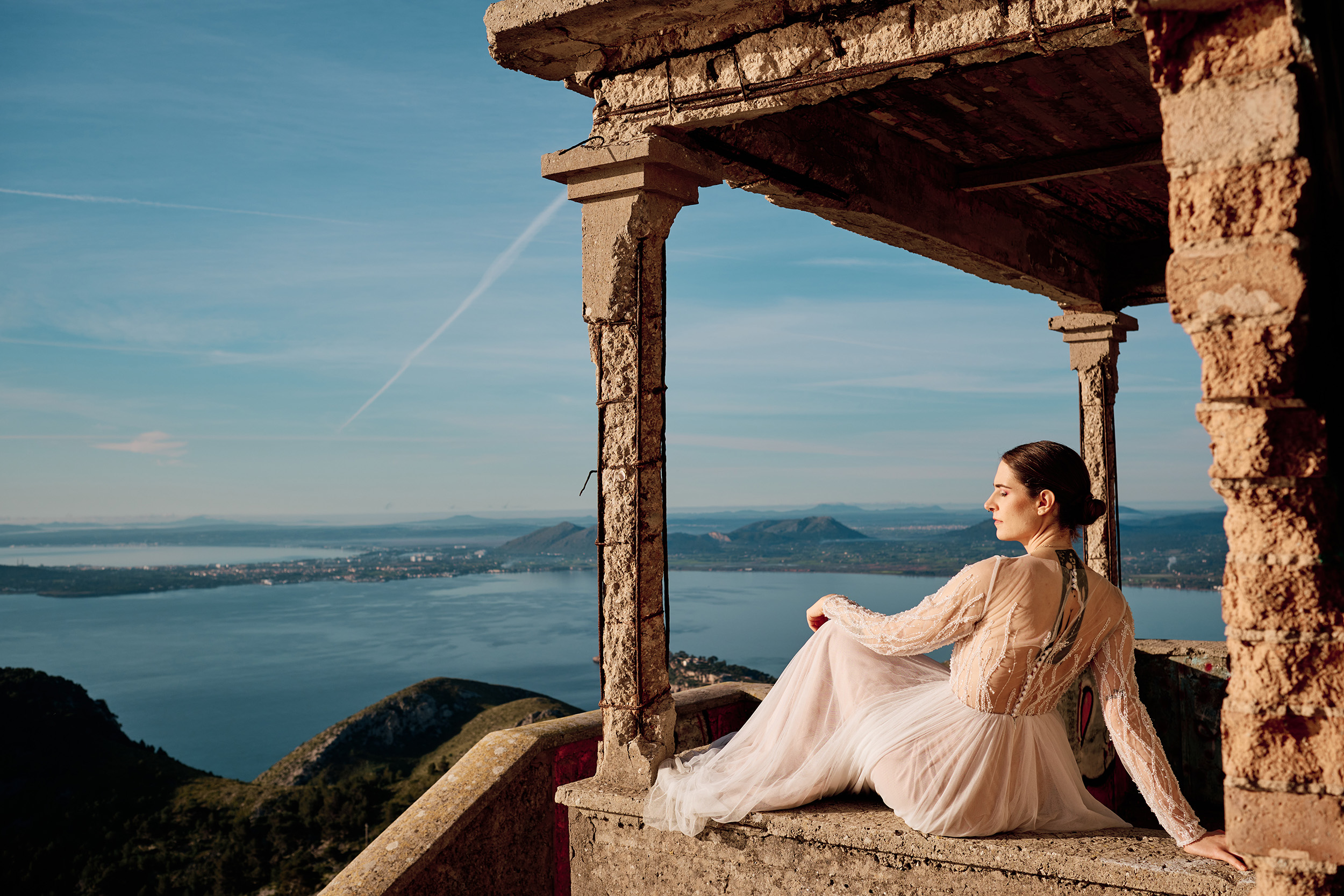
Getting Married in Mallorca
I have photographed weddings on this island more than once, up in the Tramuntana and down by the sea, and it is one of the gentlest destinations I know to bring a crowd of guests to. Couples ask me the same things before they book, so here are my answers.
Mallorca is the biggest of the Balearics, a Mediterranean island of terraced mountains, olive groves and turquoise water, close enough to the UK for a two hour flight and warm from spring right through autumn. It suits a proper celebration with people you love as well as it suits two of you slipping away to a cove.
The island splits neatly in two. These are the parts I would build a day around: the Serra de Tramuntana with its stone villages in the hills, and the coast with its coves and its cathedral city. This is where I would send you, and what I would tell you before you go.
Serra de Tramuntana
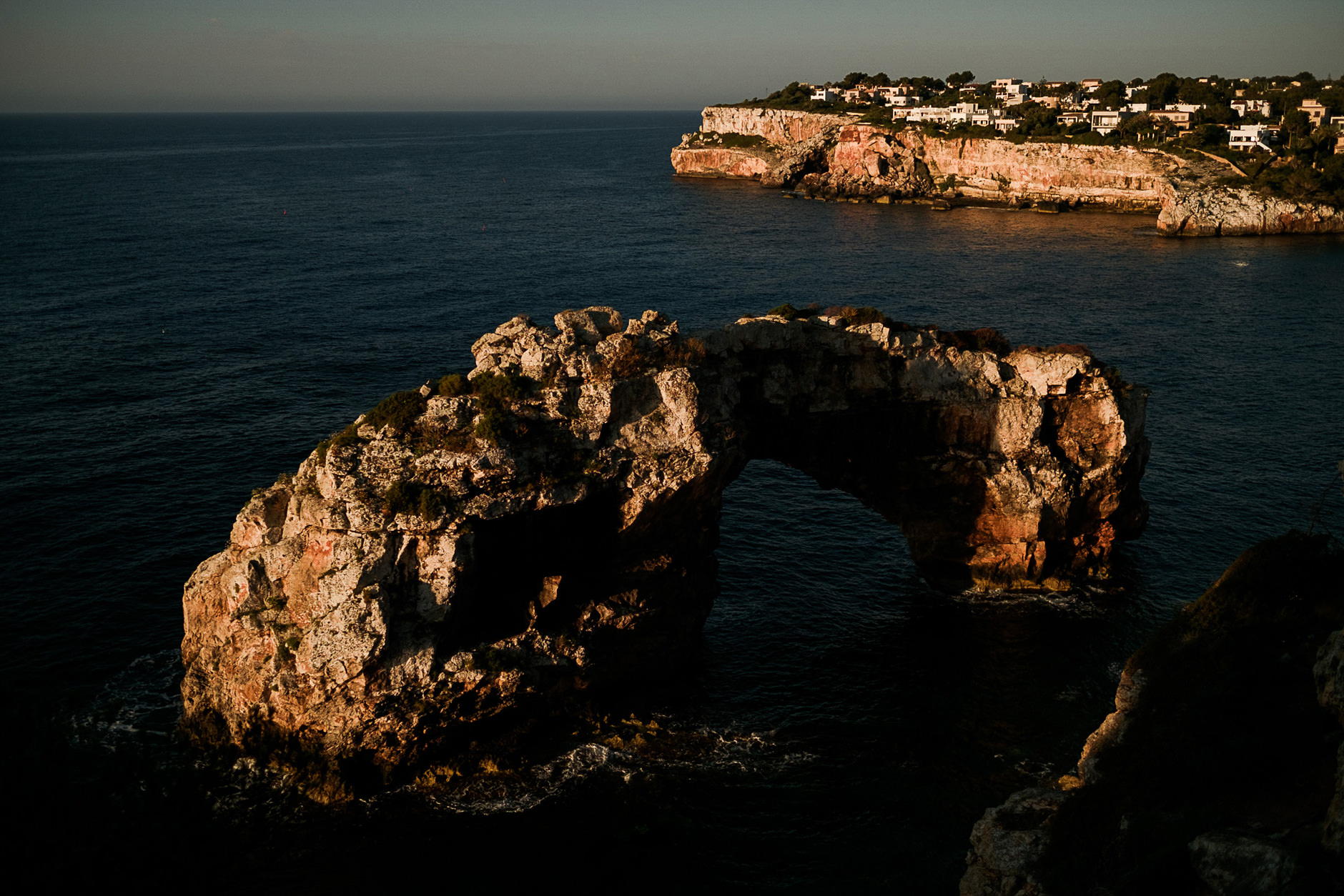
The Serra de Tramuntana is a UNESCO landscape of terraced hills, olive groves and old stone villages, and it is where the island stops being a beach holiday and becomes something quieter and grander. Deià clings to a cliff, Valldemossa is postcard-perfect, and Sóller sits in a bowl of orange groves with a vintage wooden tram. The road to Sa Calobra folds back on itself in one long series of hairpins to a gorge that meets the sea. It is the most beautiful, most cinematic corner of Mallorca, and the one I would send you to first.
The coast
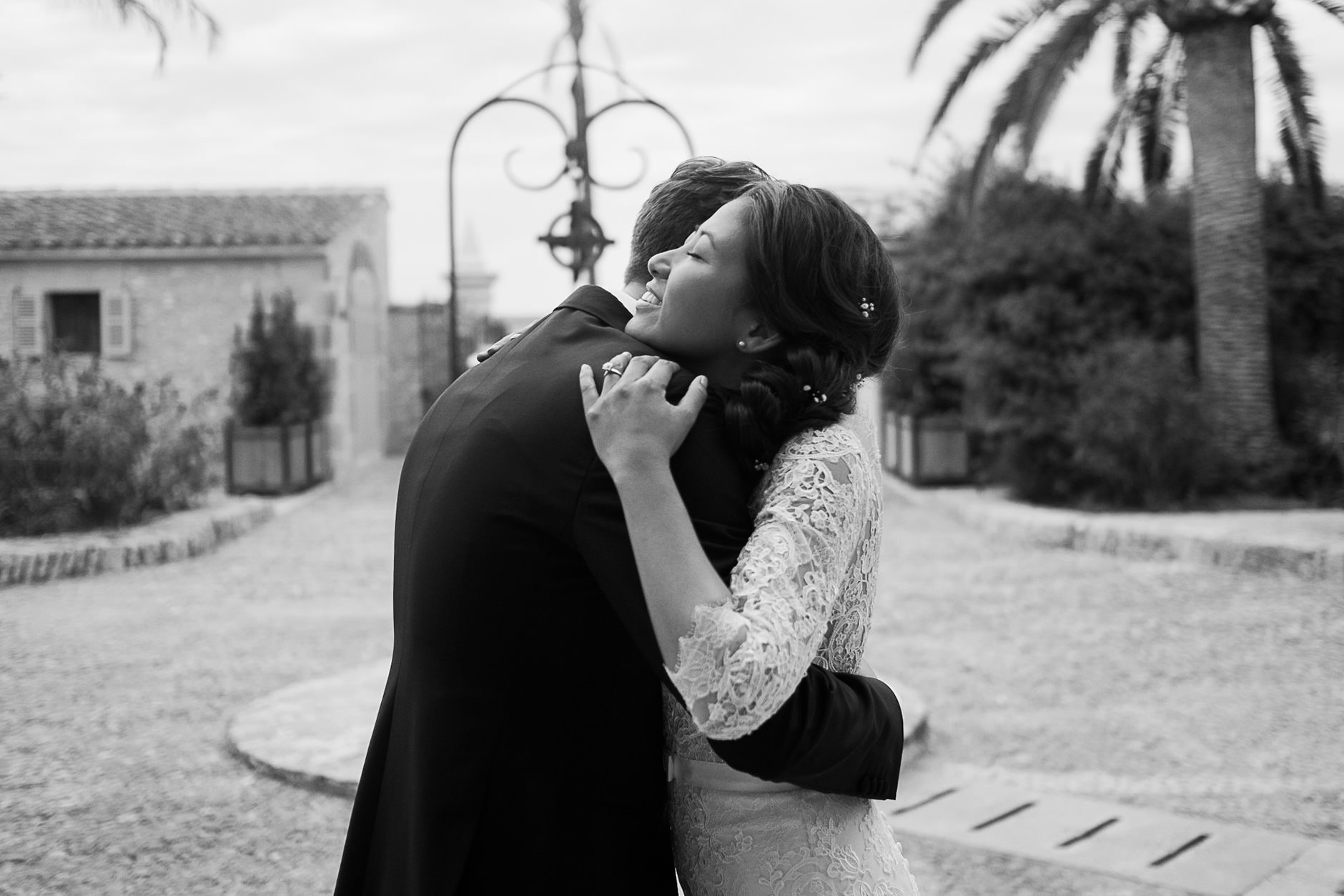
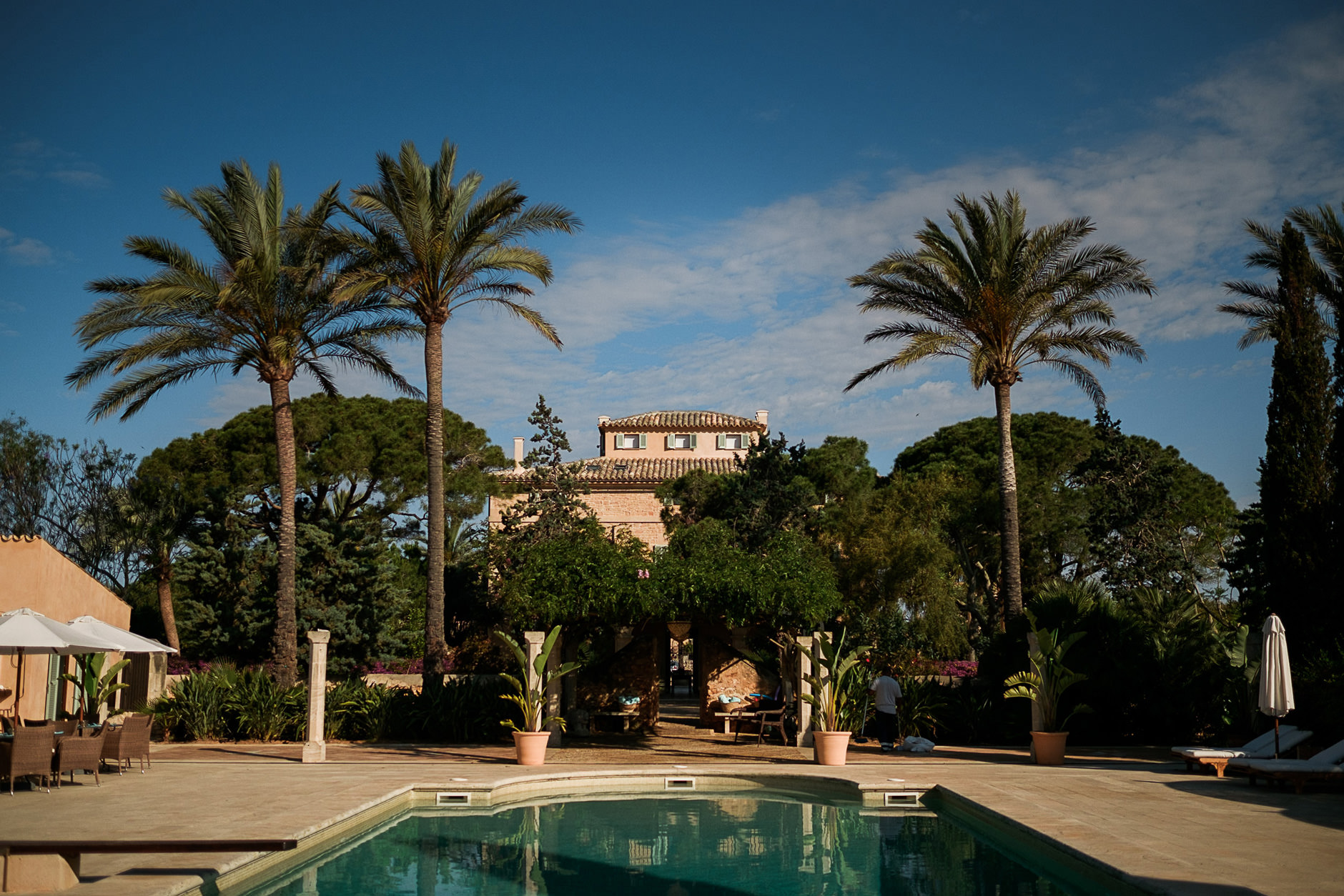
Palma is a proper city, with a Gothic old town under the cathedral and rooftop light in the evenings, and it makes the easy base for guests and the airport. North, the Pollença and Formentor country is quieter, all old-town charm and wild headland. The prettiest coves are the busiest in summer, so if a beach ceremony is the dream, go at dawn or come in the shoulder season. And if you can time it for late January or February, the almond orchards flower across the whole island, a short and lovely window most people never see.
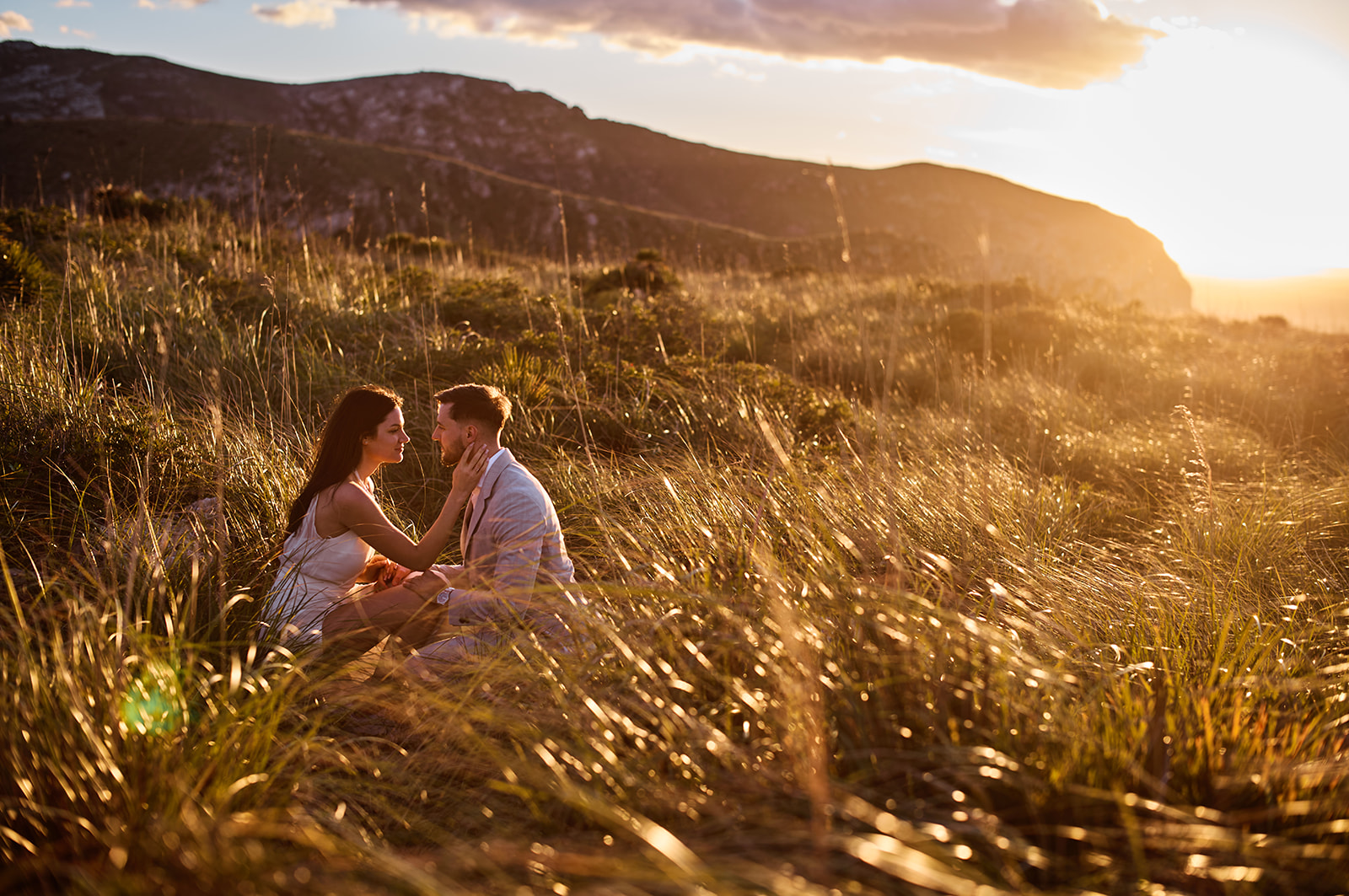
Formentor & the watchtower
The east & Capdepera
Valldemossa & Raixa
The weddings and elopements that got me here.
Mallorca has a classic Mediterranean climate, hot dry summers and mild sunny winters. July and August are the hottest and busiest, often well into the thirties, which is a lot to ask of a midday ceremony in formalwear. May and June, and September and October, are the sweet spots: warm, long-lit, greener and far calmer, with the sea at its warmest in September. Winters are mild and quiet, and for a few weeks in late January and February the almond blossom turns the hills pink.
You fly into Palma, code PMI, one of the busiest airports in Europe in summer, with direct flights from all over the UK and the continent; from the UK it is roughly two and a quarter hours. Access is easy and often cheap, which makes it one of the simplest islands to bring a crowd of guests to. In peak season the airport is hectic, so leave a little buffer.
Palma, the capital, is the easy base, with the cathedral, the old town, a marina and the airport close by, best for a city-flavoured wedding and simple guest logistics. The Serra de Tramuntana villages, Sóller, Deià and Valldemossa, are the choice for drama and intimacy up in the hills. The Pollença area in the north is quieter and scenic, away from the busy resort strips. Match the base to the wedding: mountains for atmosphere, Palma for ease.
You drive on the right, and a hire car is very useful for reaching the mountain villages and the quieter coves that buses do not serve. The Tramuntana roads are narrow and twisting, and the Sa Calobra road in particular is a demanding sequence of hairpins, spectacular but slow, so leave plenty of time and do not attempt it in a rush. In summer the popular coves gridlock and their car parks fill early, so arrive at dawn. In Palma's old town, the ACIRE restricted zone is camera-enforced; park in a garage on the edge and walk in.
Mallorca is on the euro, and cards work almost everywhere, though it is worth carrying a little cash for small village bars and markets. The clocks are one hour ahead of the UK. Life runs to a Spanish rhythm: some shops still close in the afternoon, and dinner is late, from about half past eight, so plan golden-hour photographs and the meal around it. High summer is genuinely busy at the honeypot spots, and the shoulder seasons are far calmer.
Here is the catch worth knowing early: a civil marriage in Spain generally requires one of you to have been resident for a couple of years, which puts it out of reach for most visiting couples. So the well-worn route is to hold a symbolic ceremony in Mallorca, wherever you like and however you like, and to do the legal marriage quietly at your register office at home. A Catholic church wedding is the other option that does not need residency, but it comes with its own conditions and paperwork, so start that around six months out. I am not a lawyer, and a good local planner will steer you around the Spanish bureaucracy and sort the permits for a mountain or cove ceremony.
Here is the honest answer most planners bury: a civil wedding in Spain requires one of you to be a Spanish resident, so most international couples cannot do the legal part here. Catholic church weddings are the exception, legally binding without residency. Nearly all of my couples sign the papers at home and give Mallorca the day itself, which is the part you will remember anyway.
May, June, September and October: warm sea, soft light and room to breathe. High summer works at the edges of the day, but the middle is hot and everything famous is full. The shoulder months give you the island as it should be.
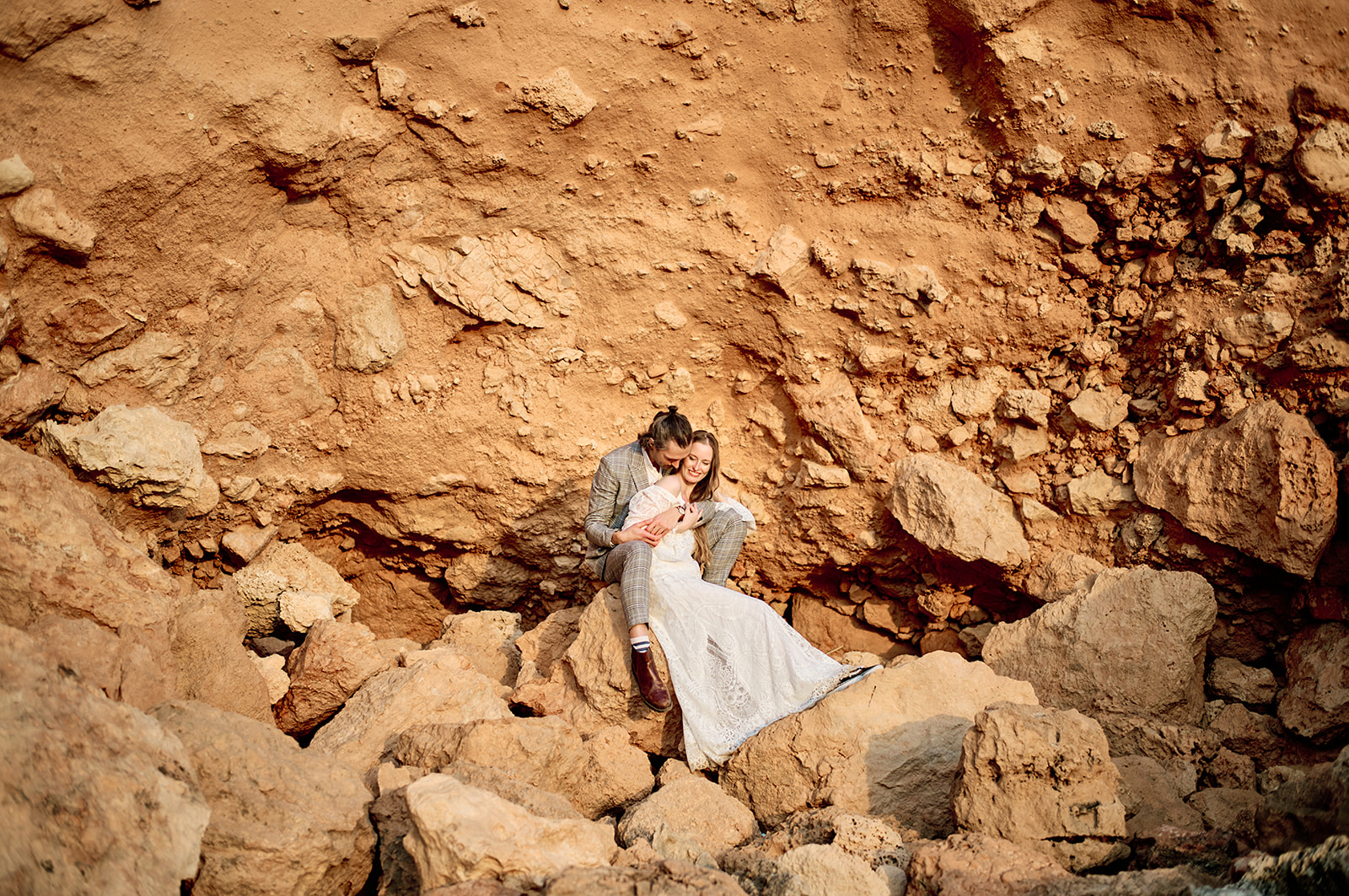
The south has the beaches and the crowds that come with them. The north has the Tramuntana mountains, the watchtowers and the drama: the north of Mallorca with Monika and Łukasz is my whole argument in photographs.
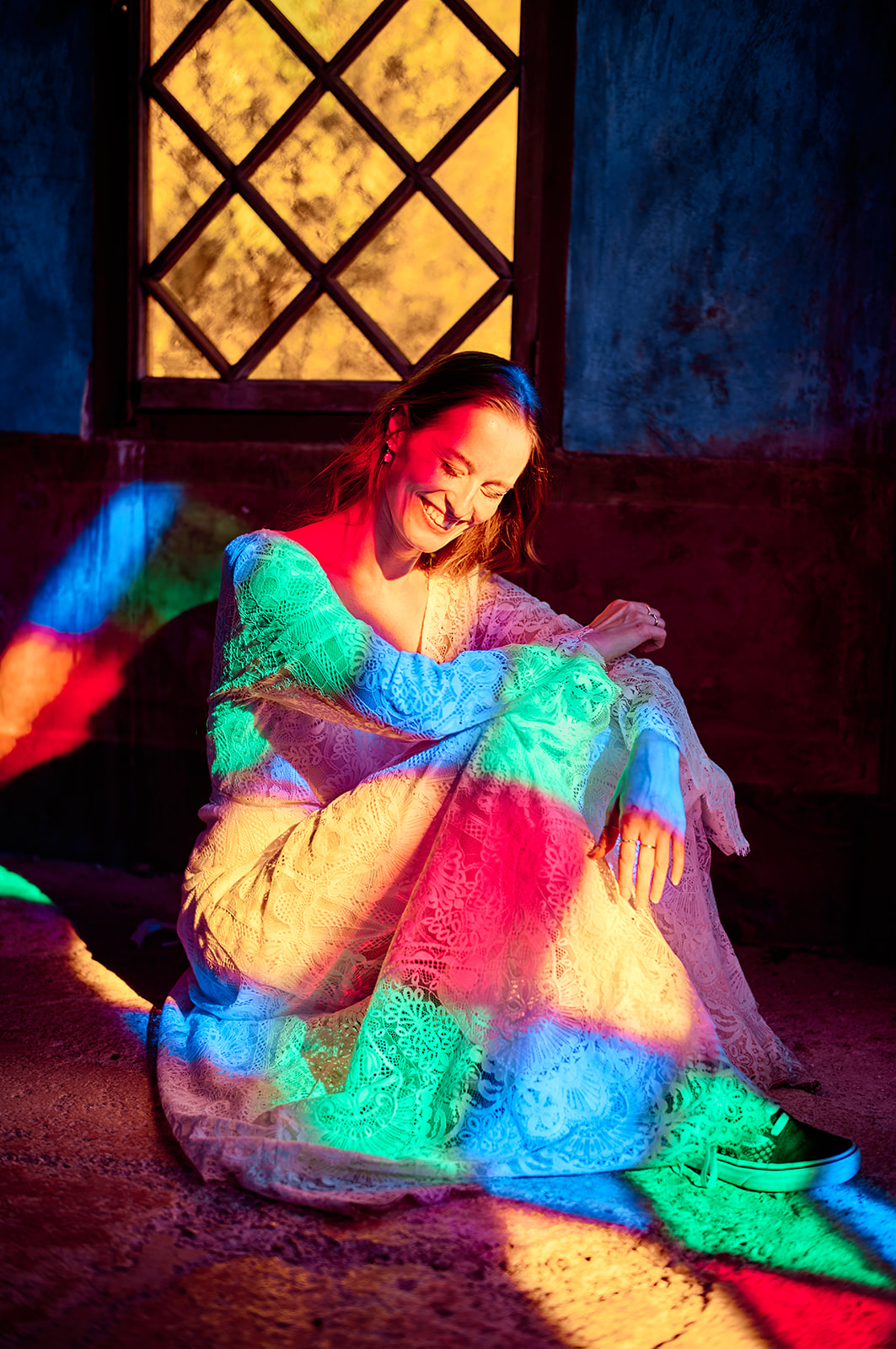
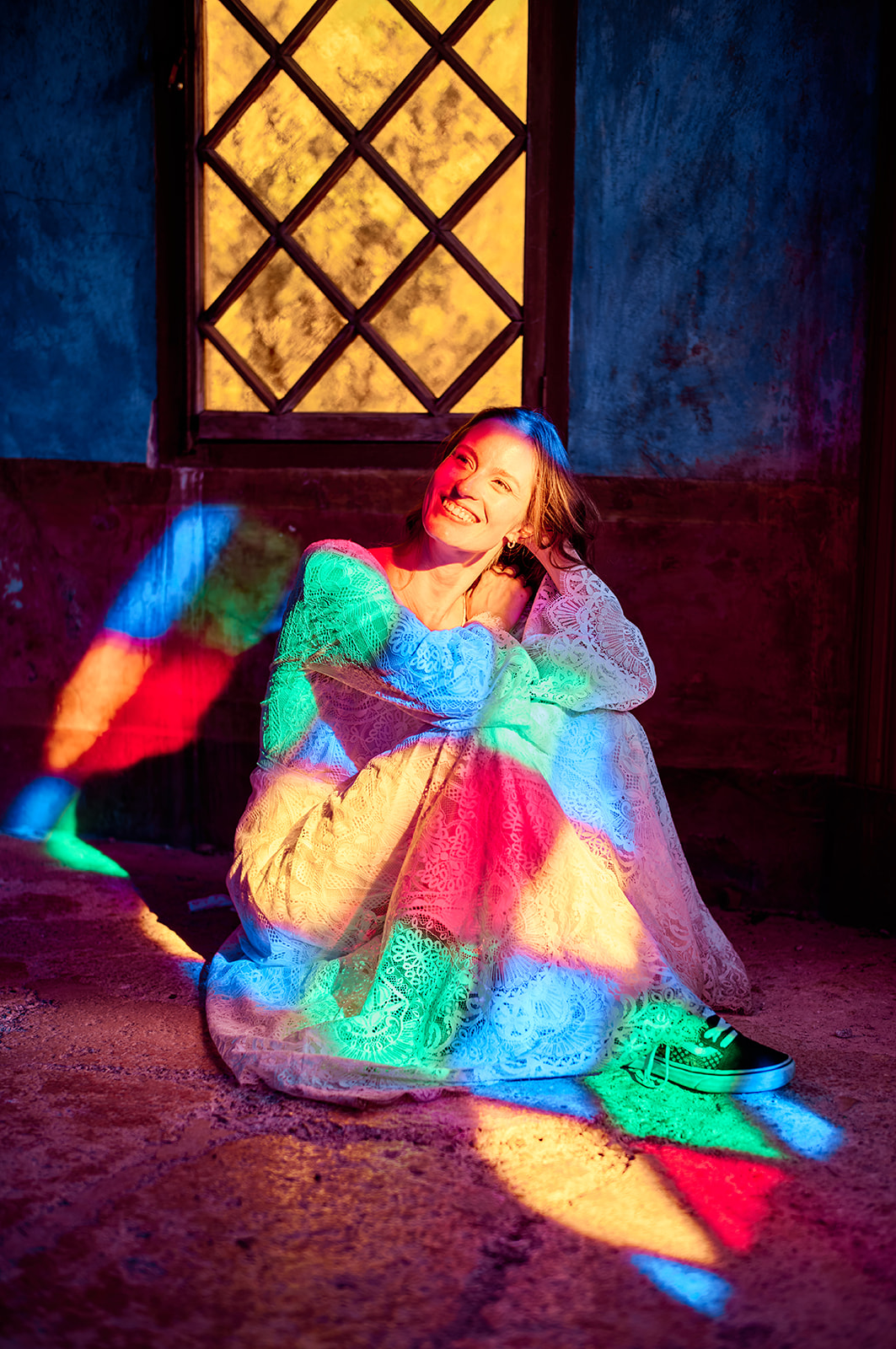
Both. By mid morning the lanes are full of day trippers. Early, or out of season, it is stone lanes, green shutters and cats, and it earns every photograph: Kasia and Kostek walked it on their day between the coloured-glass room at Raixa and a cliff sunset.
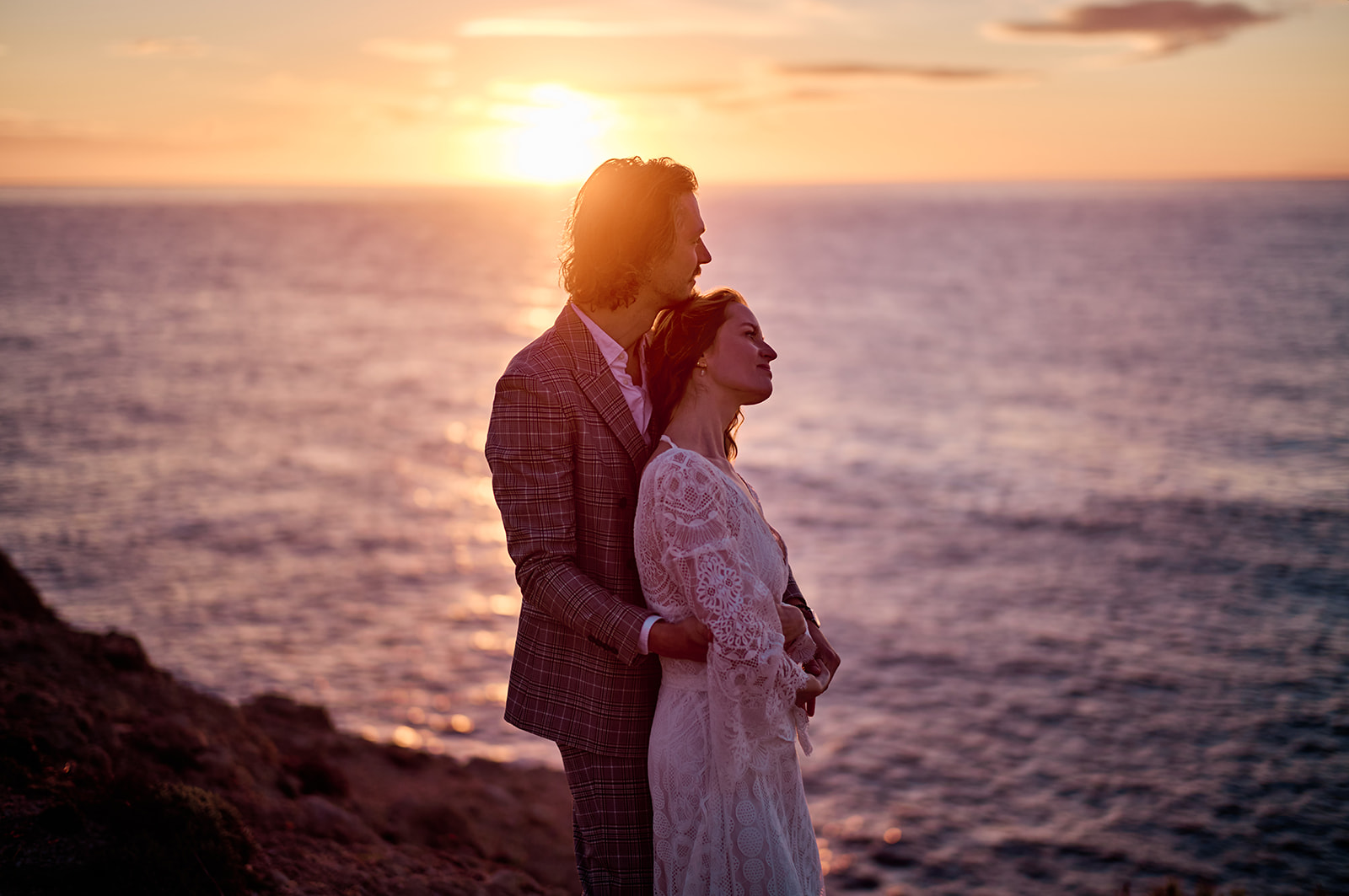
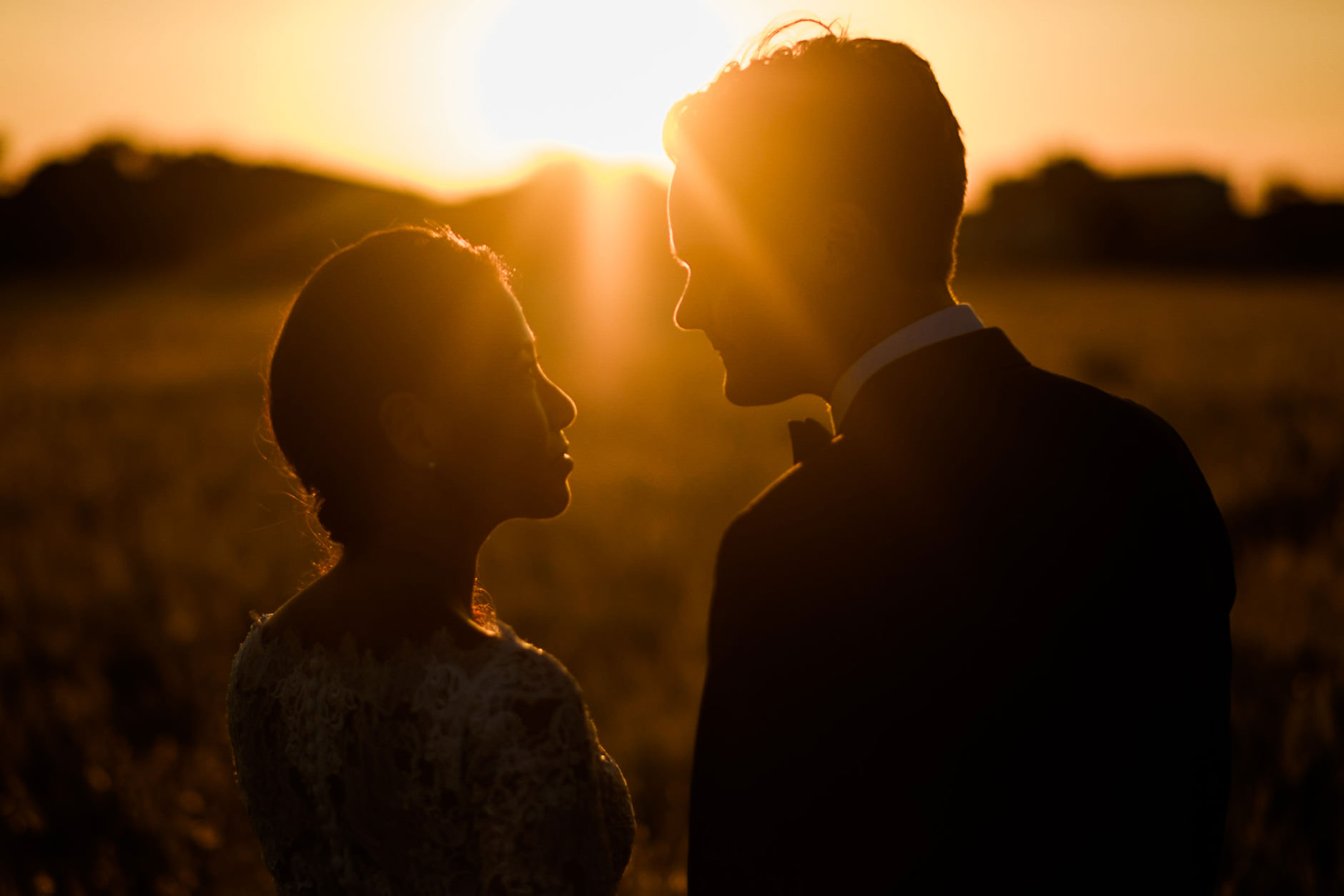
The west and north coasts, where the cliffs face the falling sun. Cala del Toro turns deep orange in the last hour, and the watchtower at Talaia d’Albercutx holds the last light above Formentor. Both are in Kasia and Kostek’s day and Monika and Łukasz’s.