GYSINGE HERRGÅRDPavi & Edvin
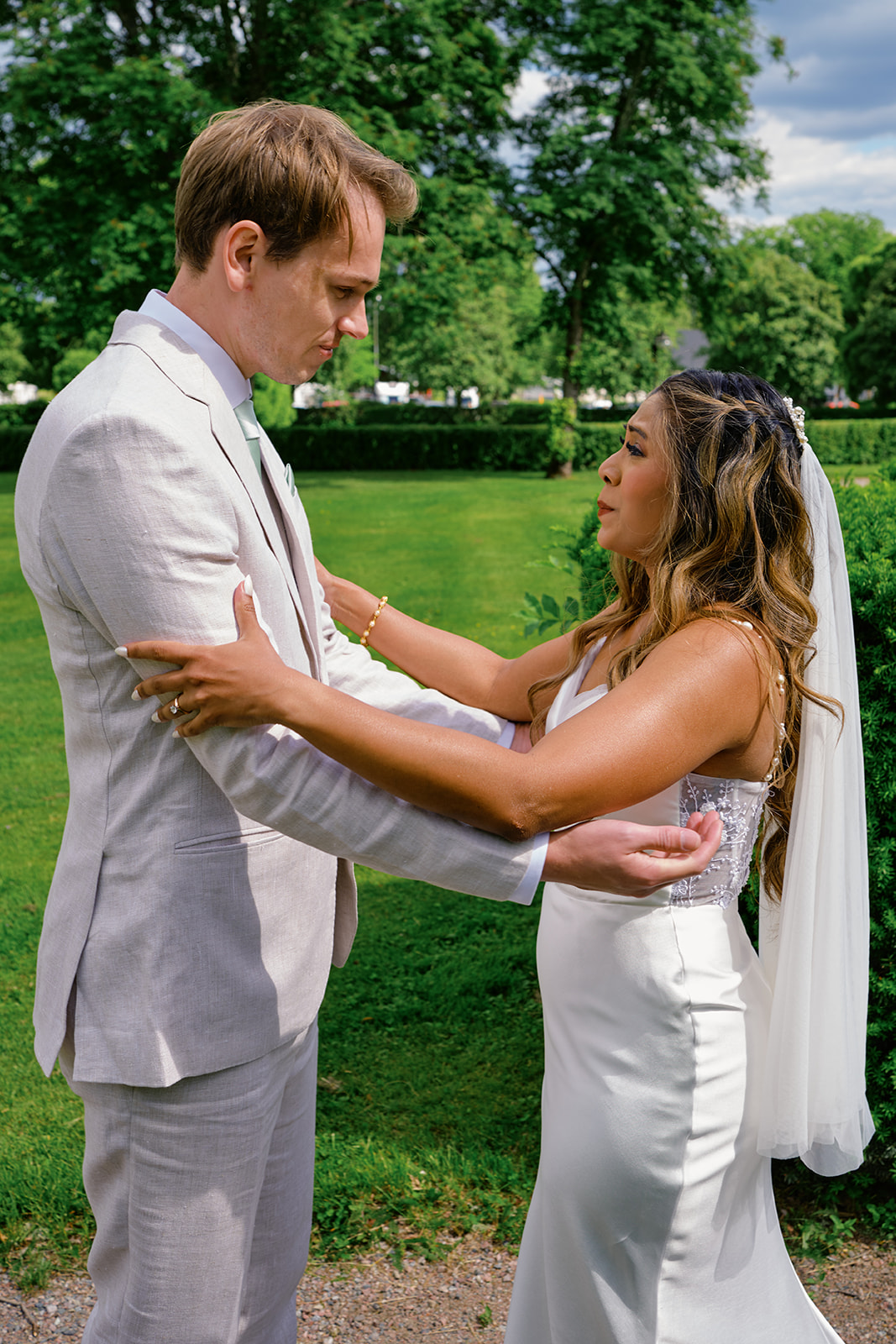
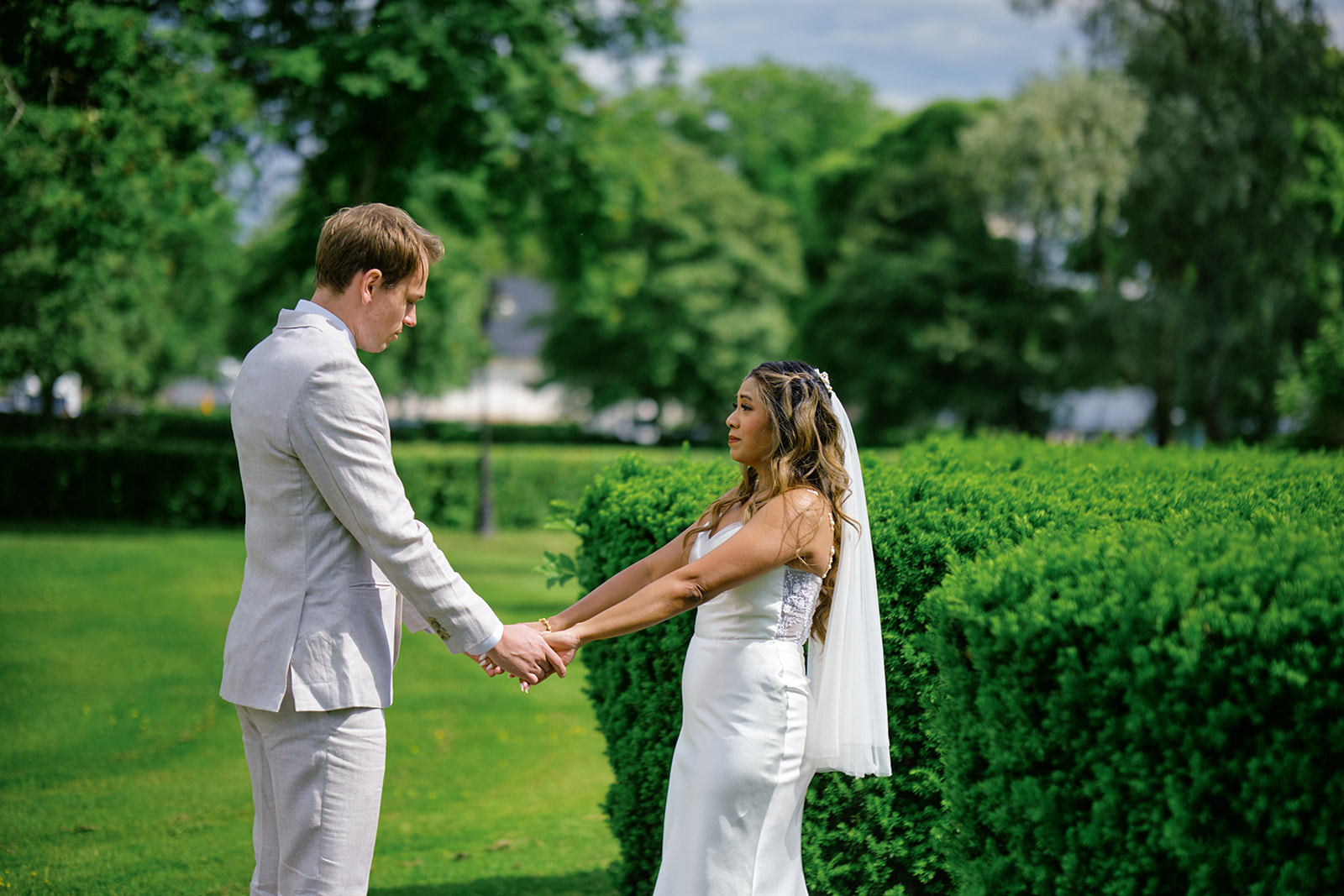
Pavi is from Singapore. Edvin is from Årsunda, a village up the road. They spent years living out of suitcases in different countries, then covid arrived and took the wedding with it, so by the time everybody finally stood in the same field on the same afternoon this had been coming for a long time.
Sweden does two kinds of country wedding. One is the place nobody has used before: the barn at Beckershof had never hosted a wedding until Erika and Romain held theirs in it, and that is still the one I would put in front of you first. The other kind is Gysinge, an ironworks village that has been taking people in since 1668 and knows exactly what it is doing. Pavi and Edvin needed the second kind, and it is worth explaining why.
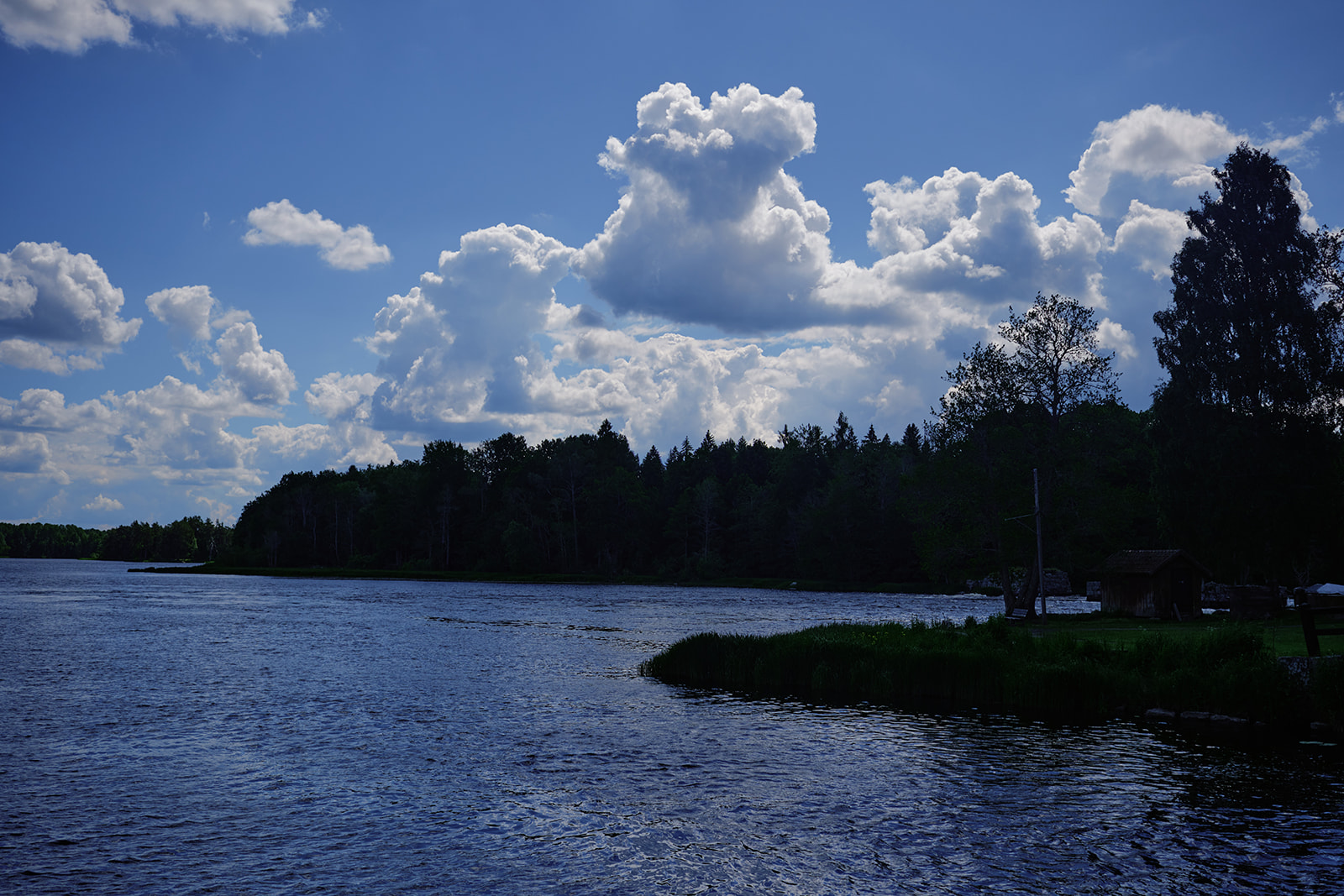
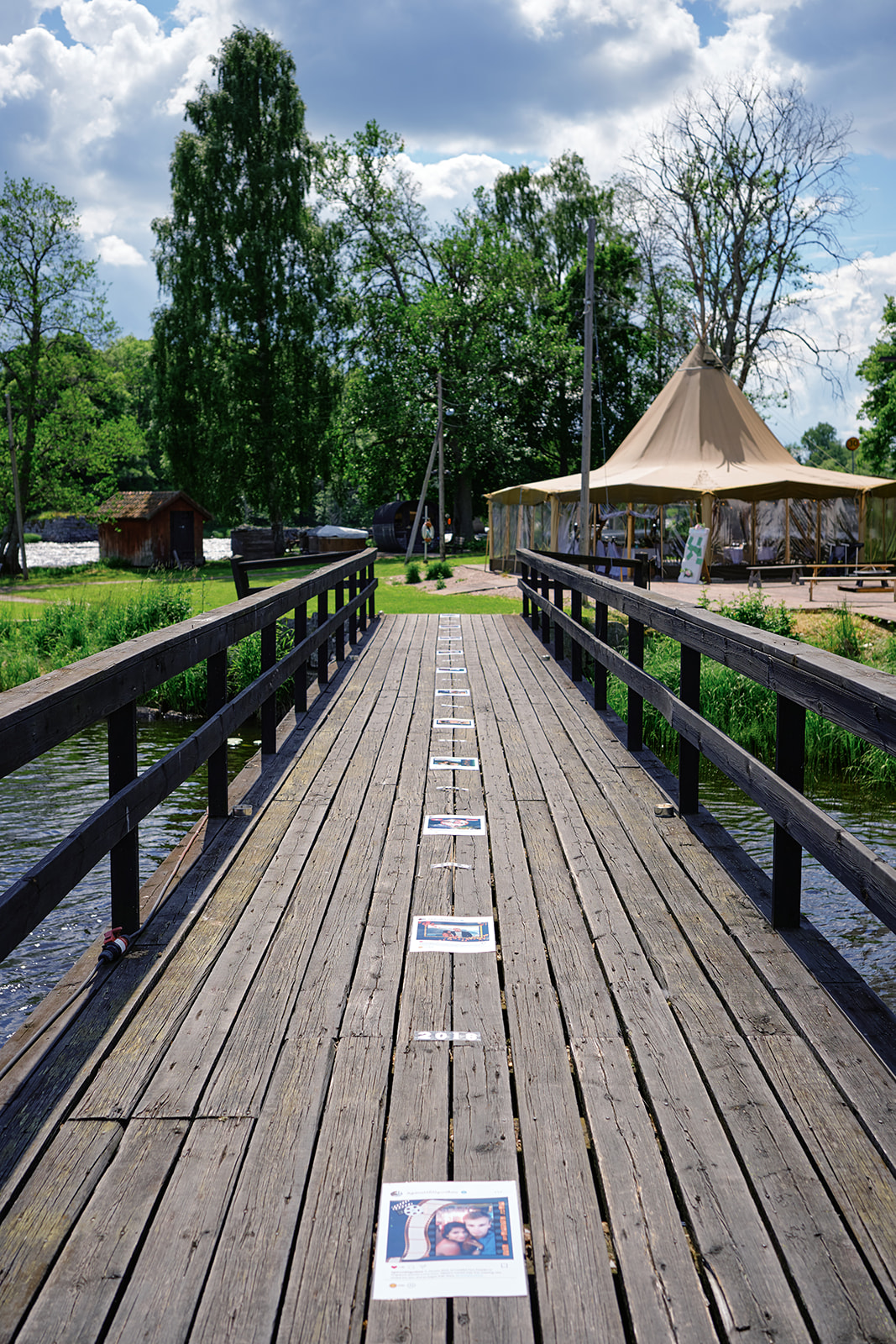
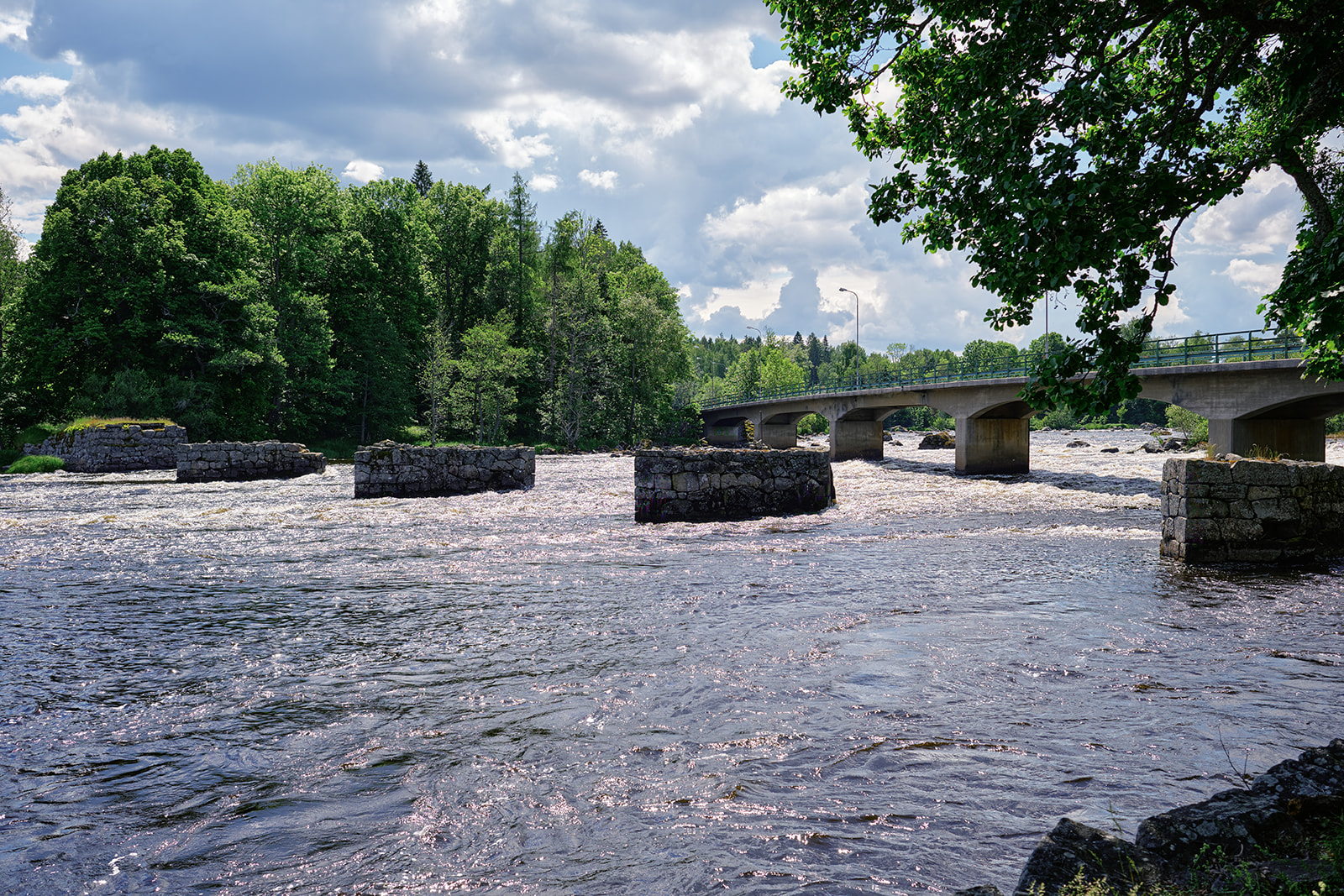
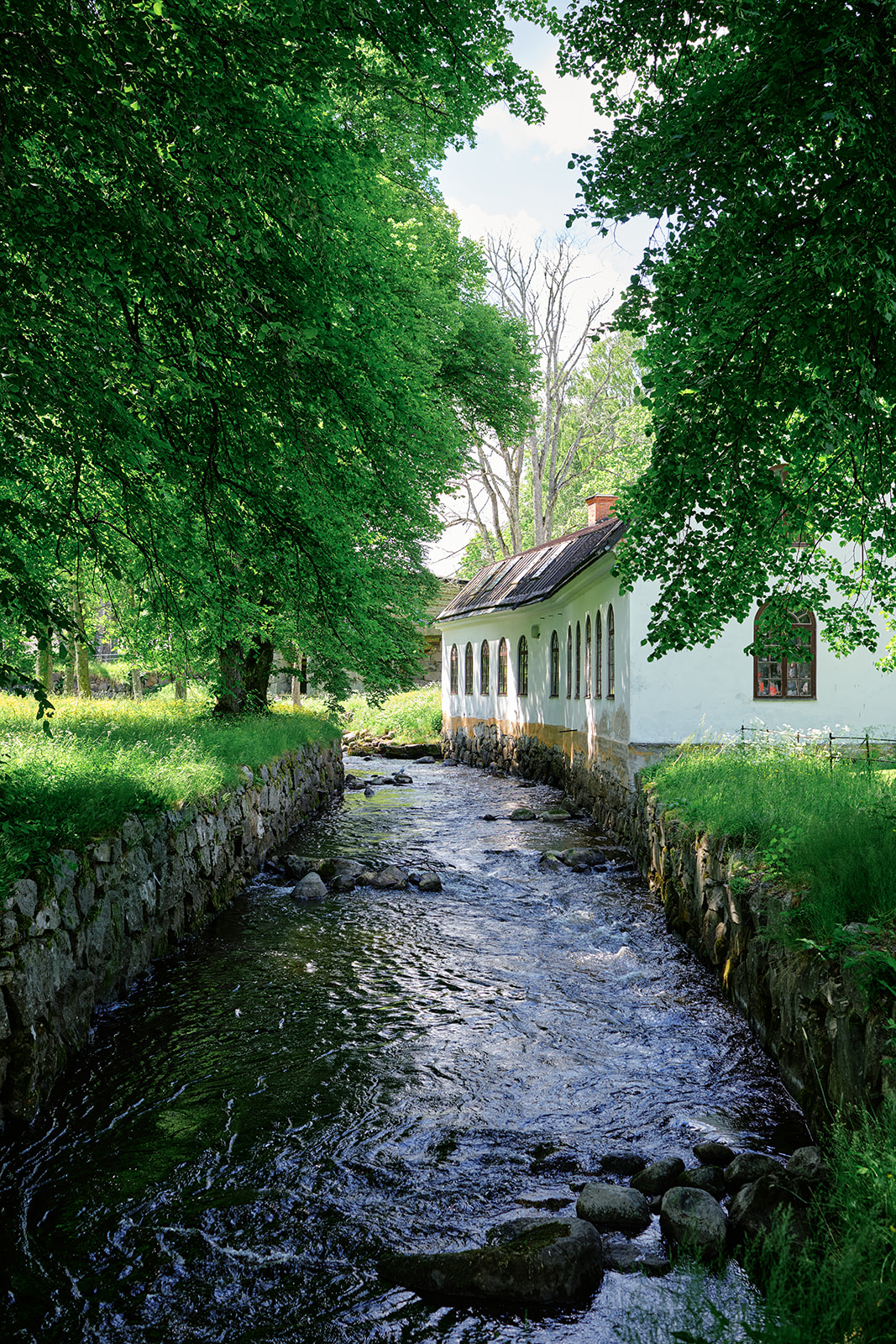
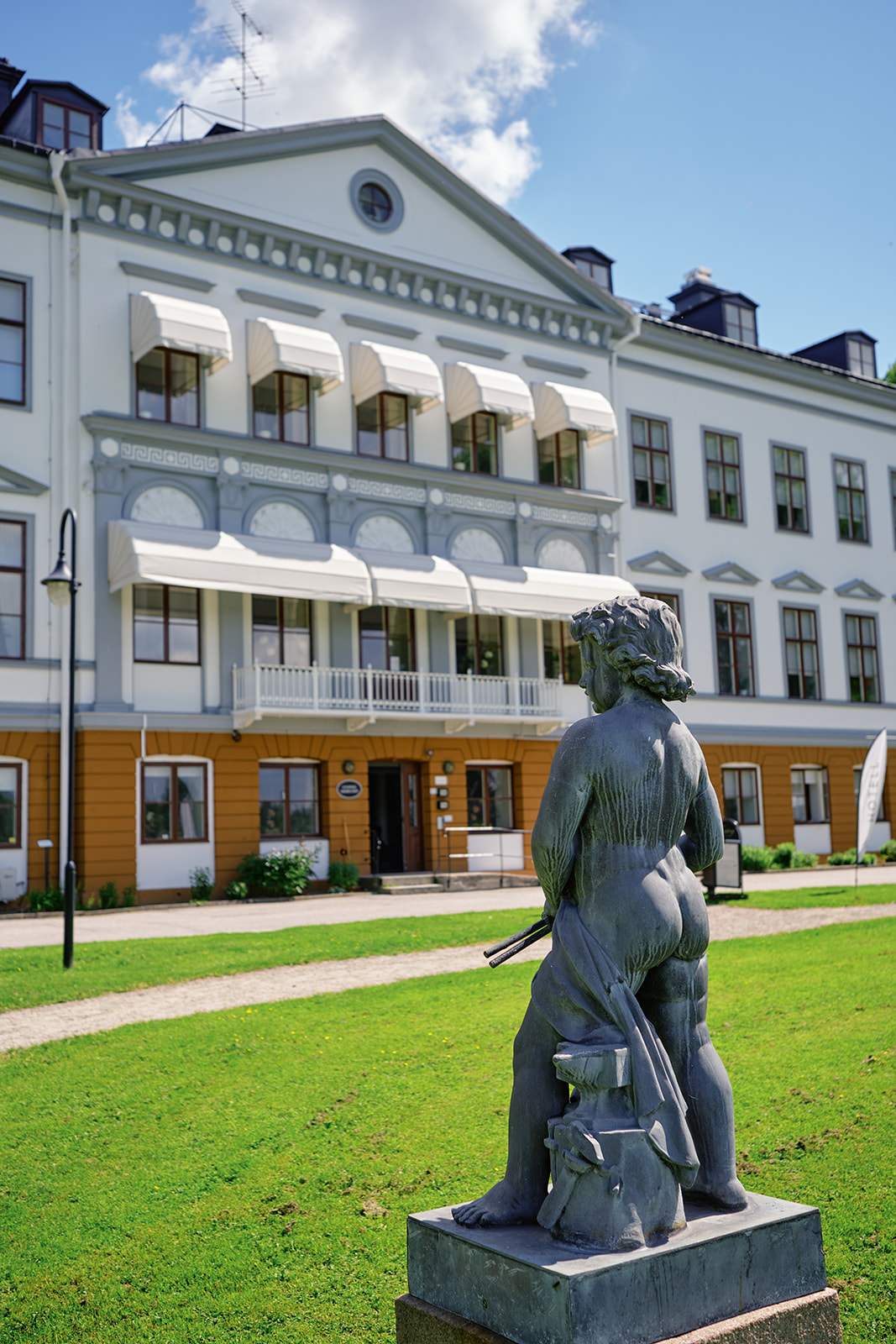
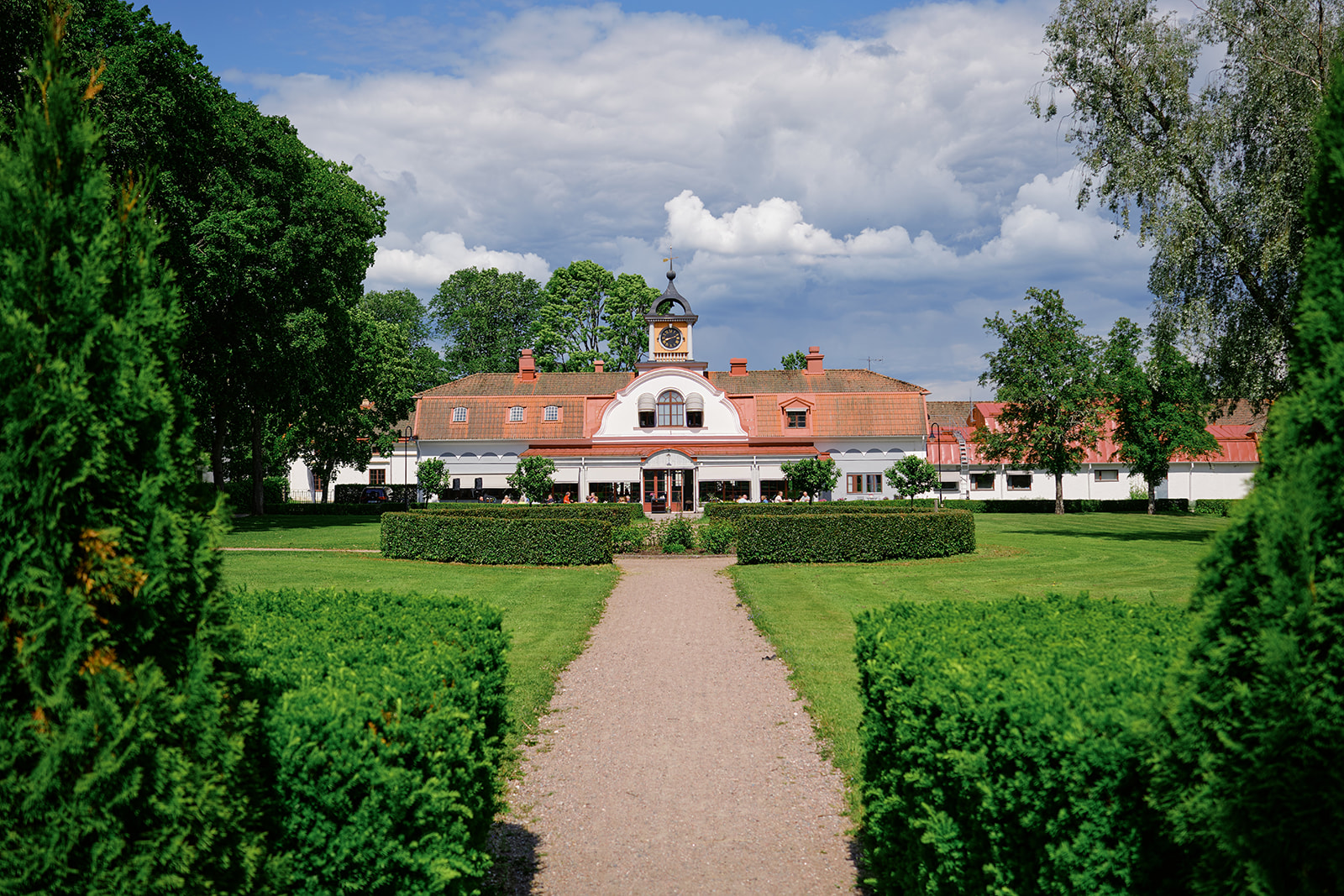
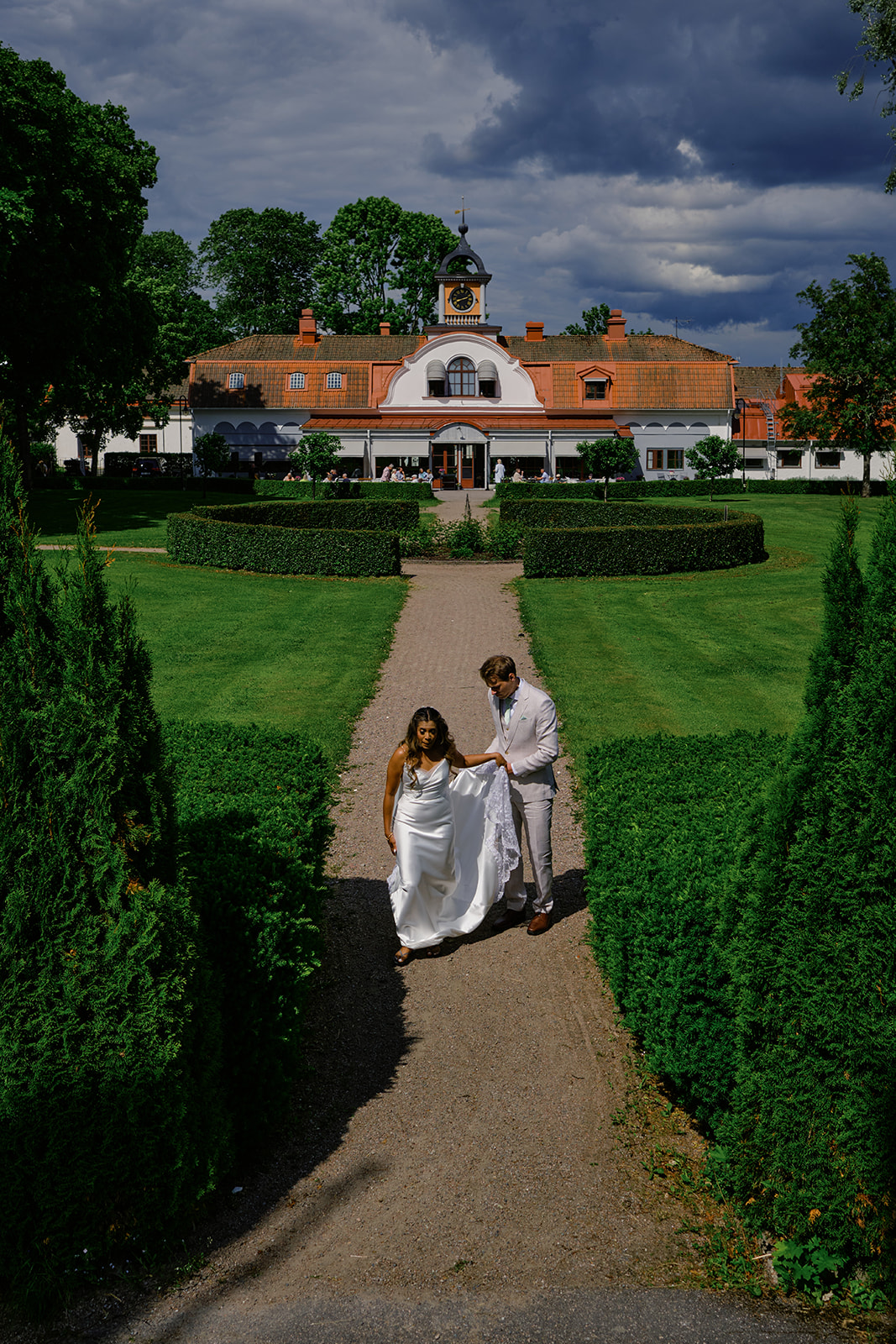
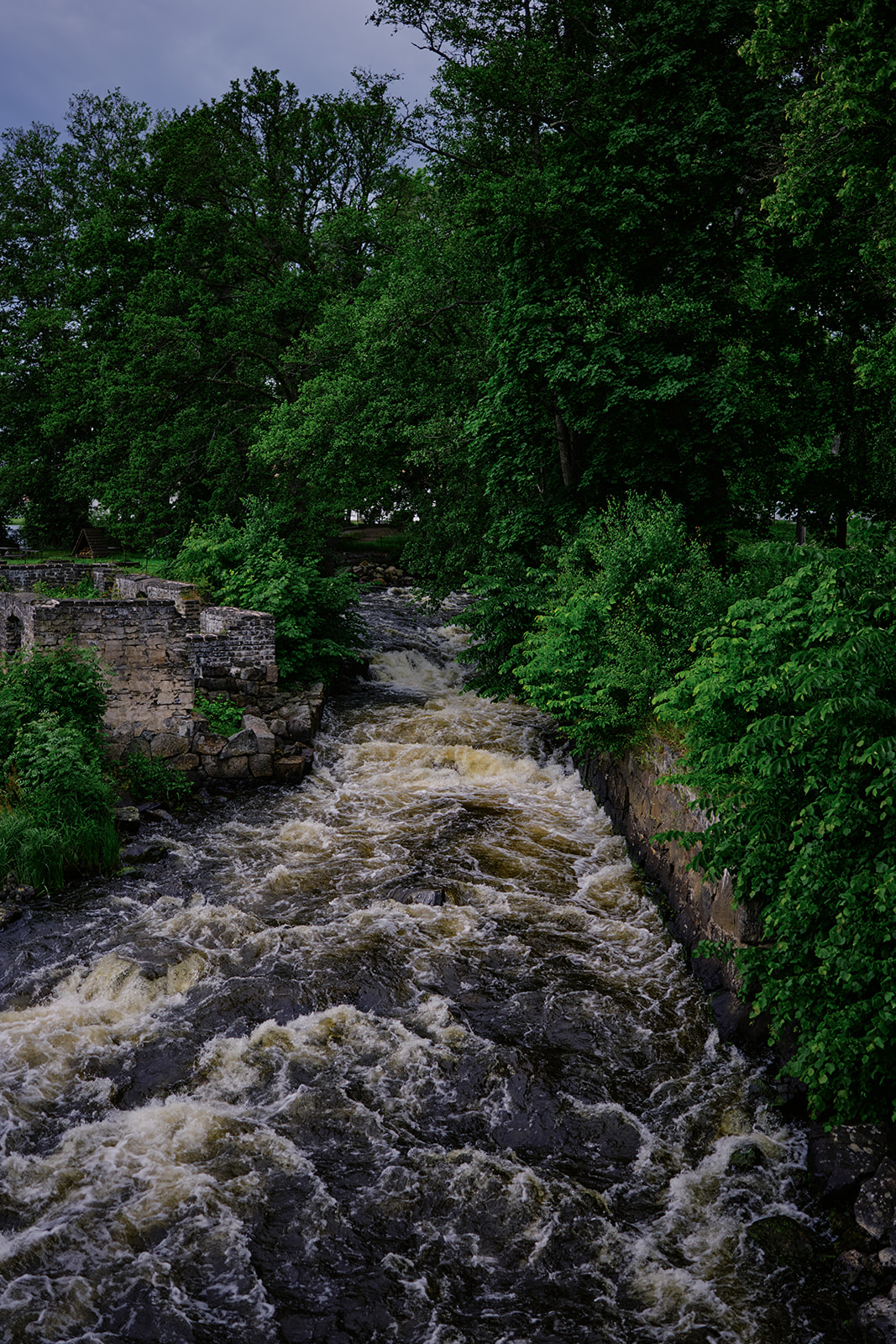
Gysinge Herrgård stands on the rapids of the lower Dalälven, roughly an hour from Uppsala, two from Stockholm and under an hour from my front door in Gävle. The works were founded here in 1668 because the water could turn a hammer and the forest could feed a furnace. Walloon smiths came north to run it, and by the early 1800s it was one of the largest ironworks in the country. The manor dates from that stretch, and so does most of the village around it: workers’ cottages, stone stores, and a millrace still running past the buildings it used to drive.
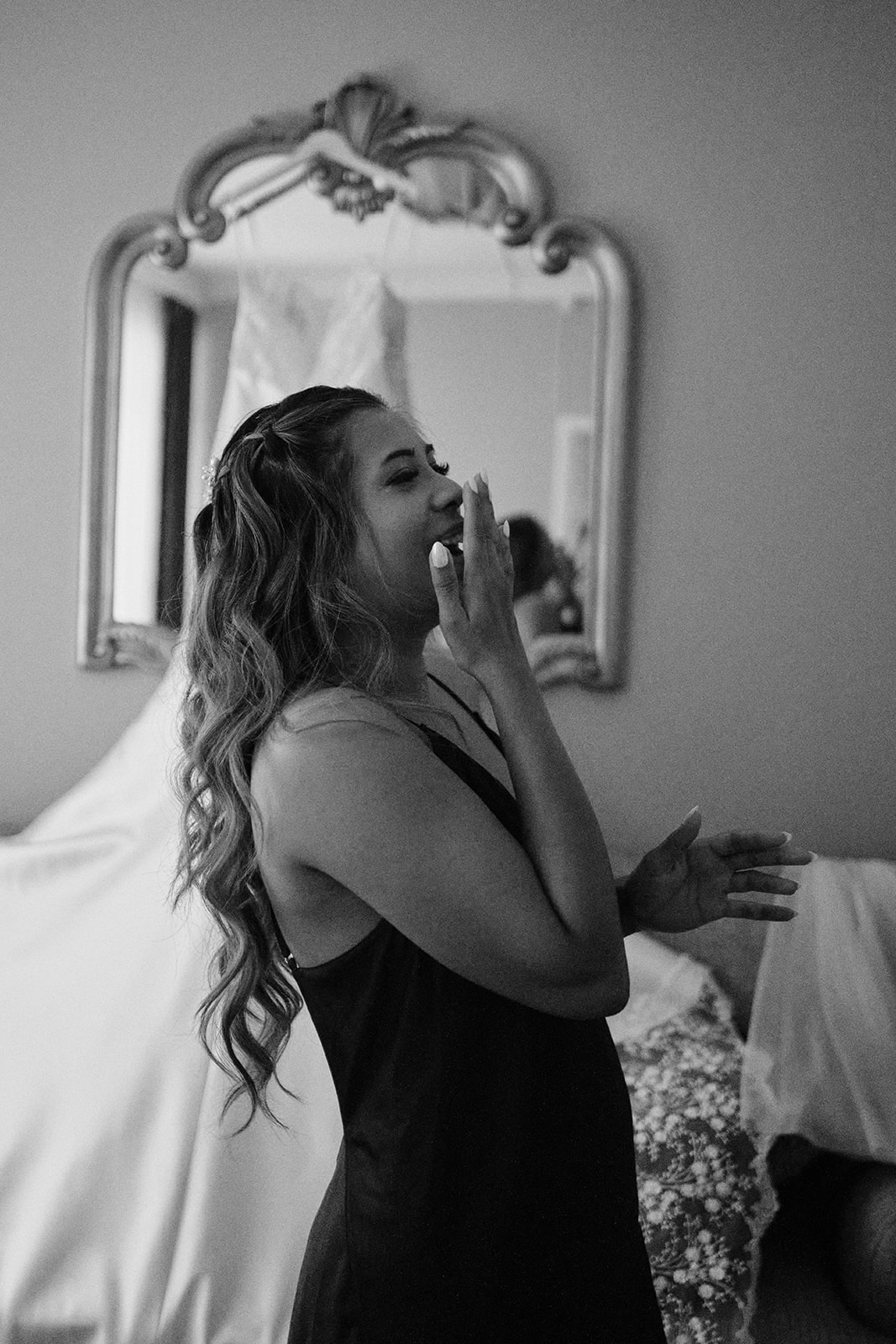
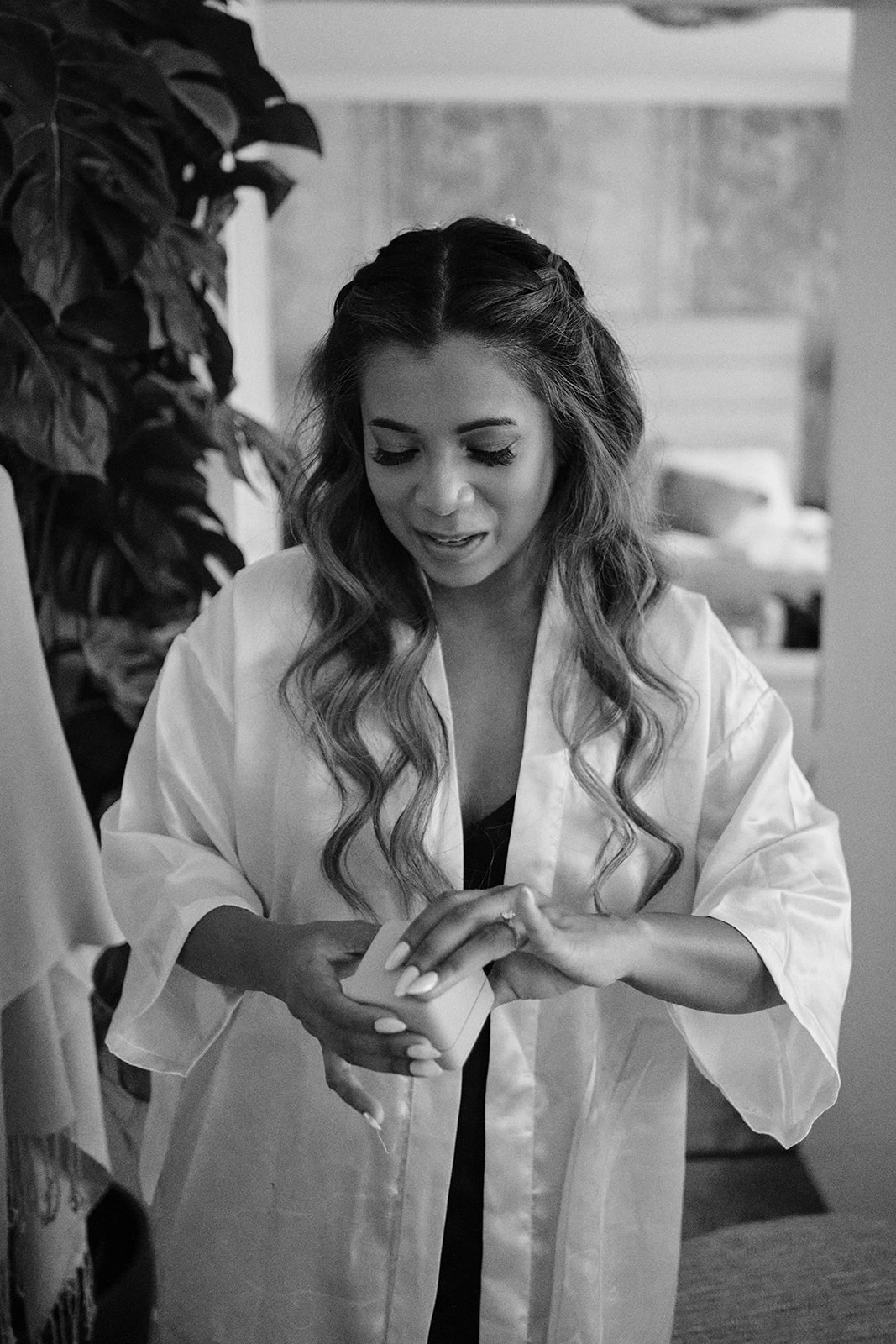
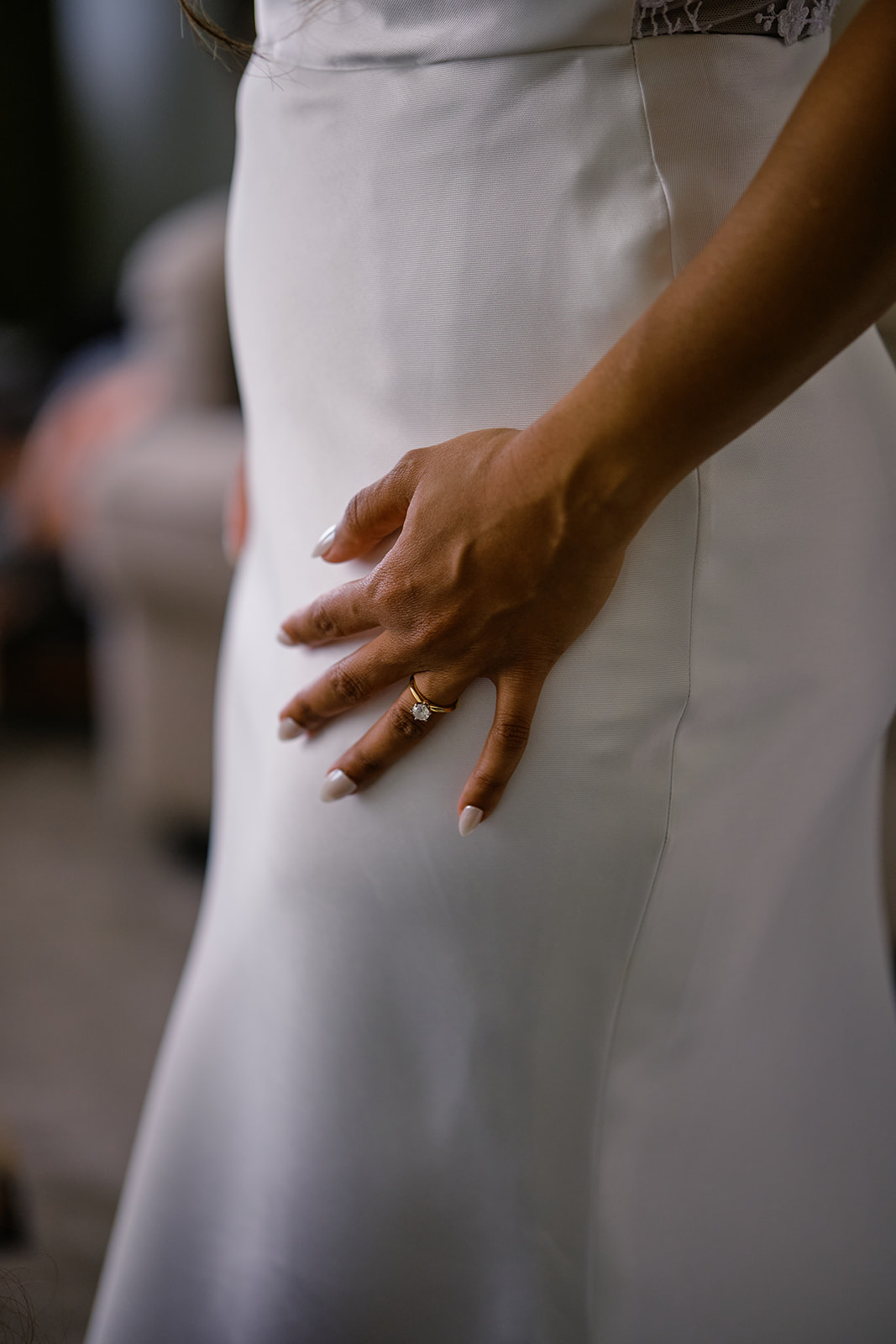
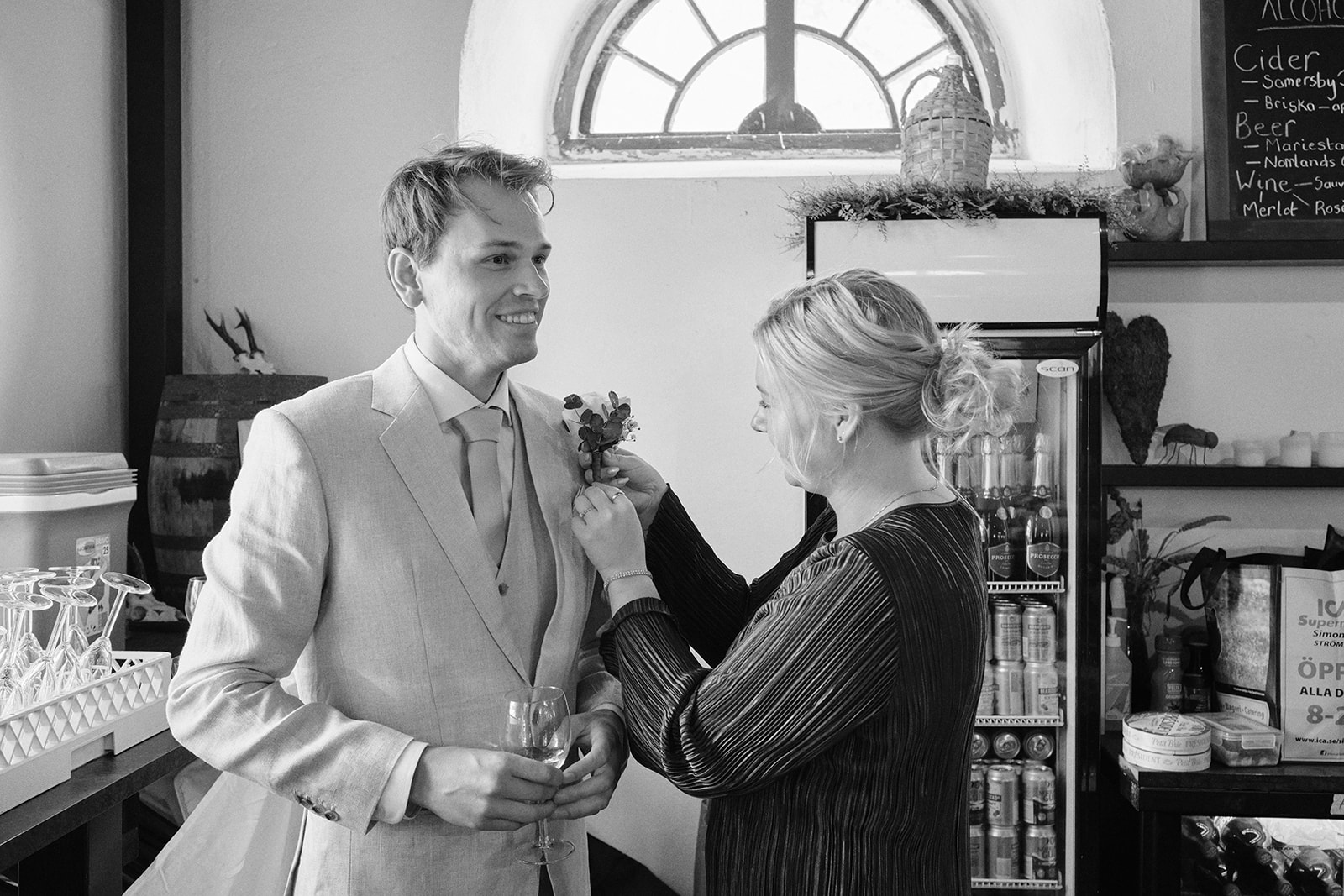
Then the practical thing, which for this wedding was the whole thing. The manor sleeps 107 people, and there is a restaurant and a café on site. Nobody had to arrange taxis or find a hotel in Sandviken. Pavi’s family, who had flown a very long way, stayed in the same buildings as everyone else for three days. If you are marrying in Sweden with relatives coming from the other side of the world, that one fact is worth more than any view.
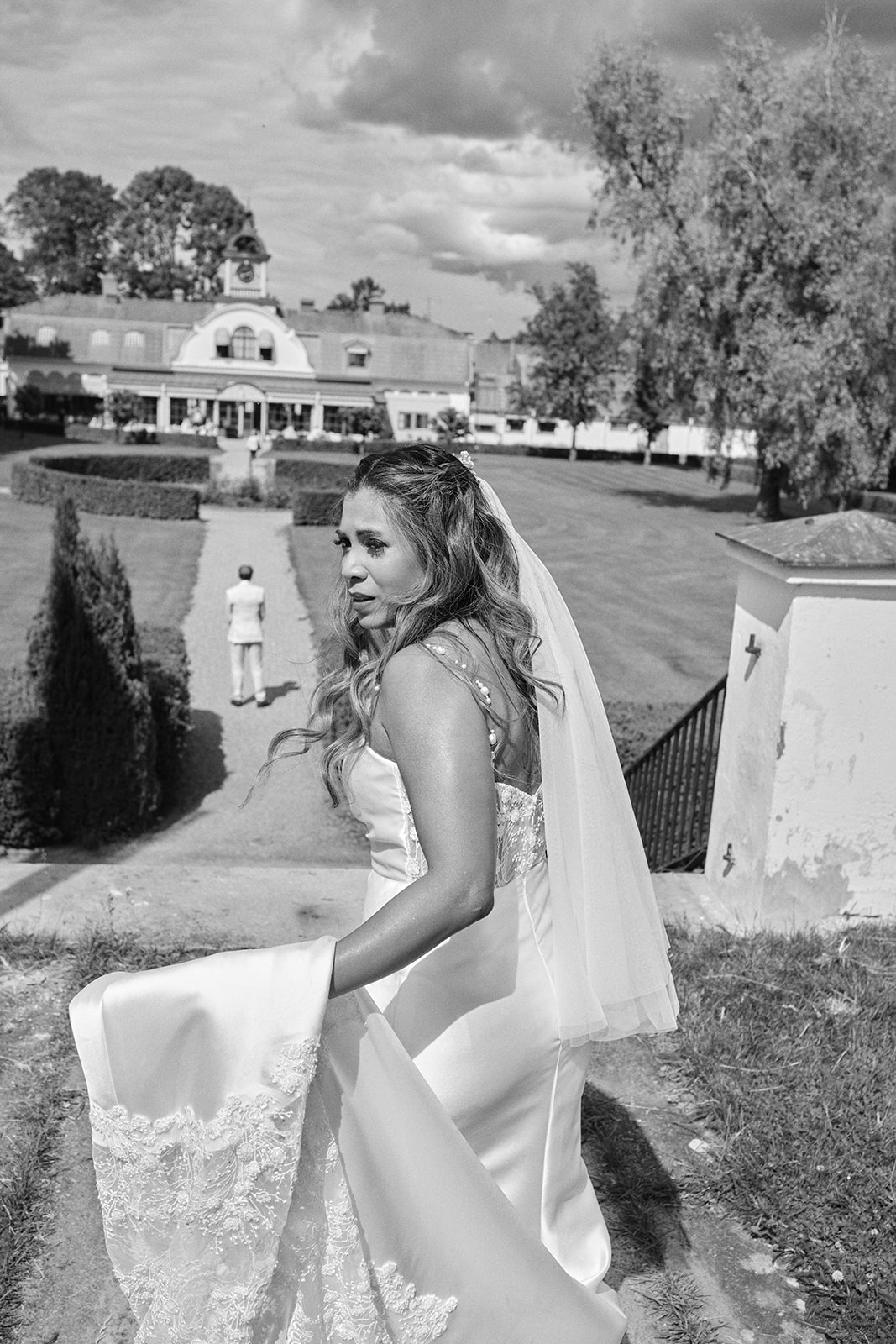
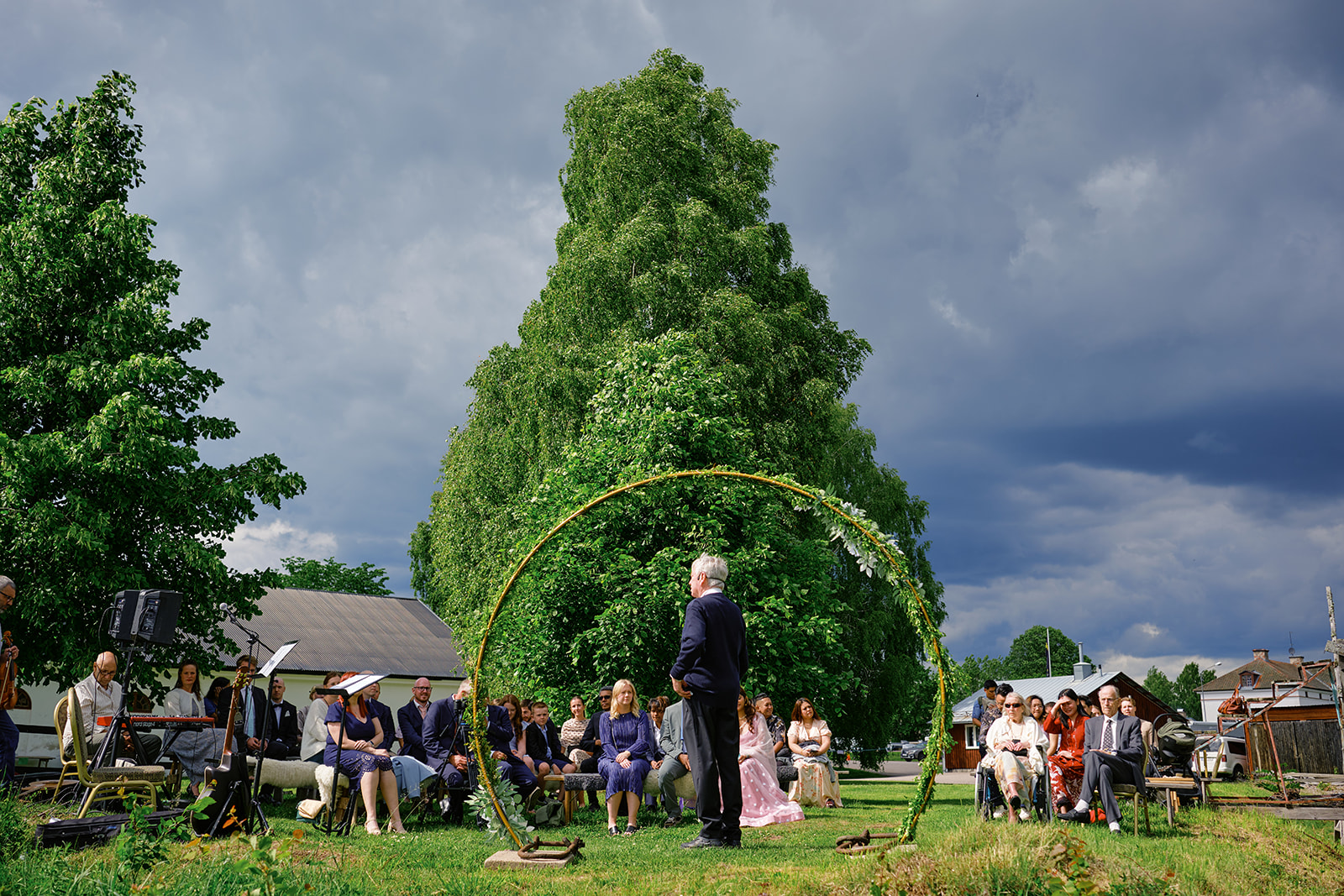
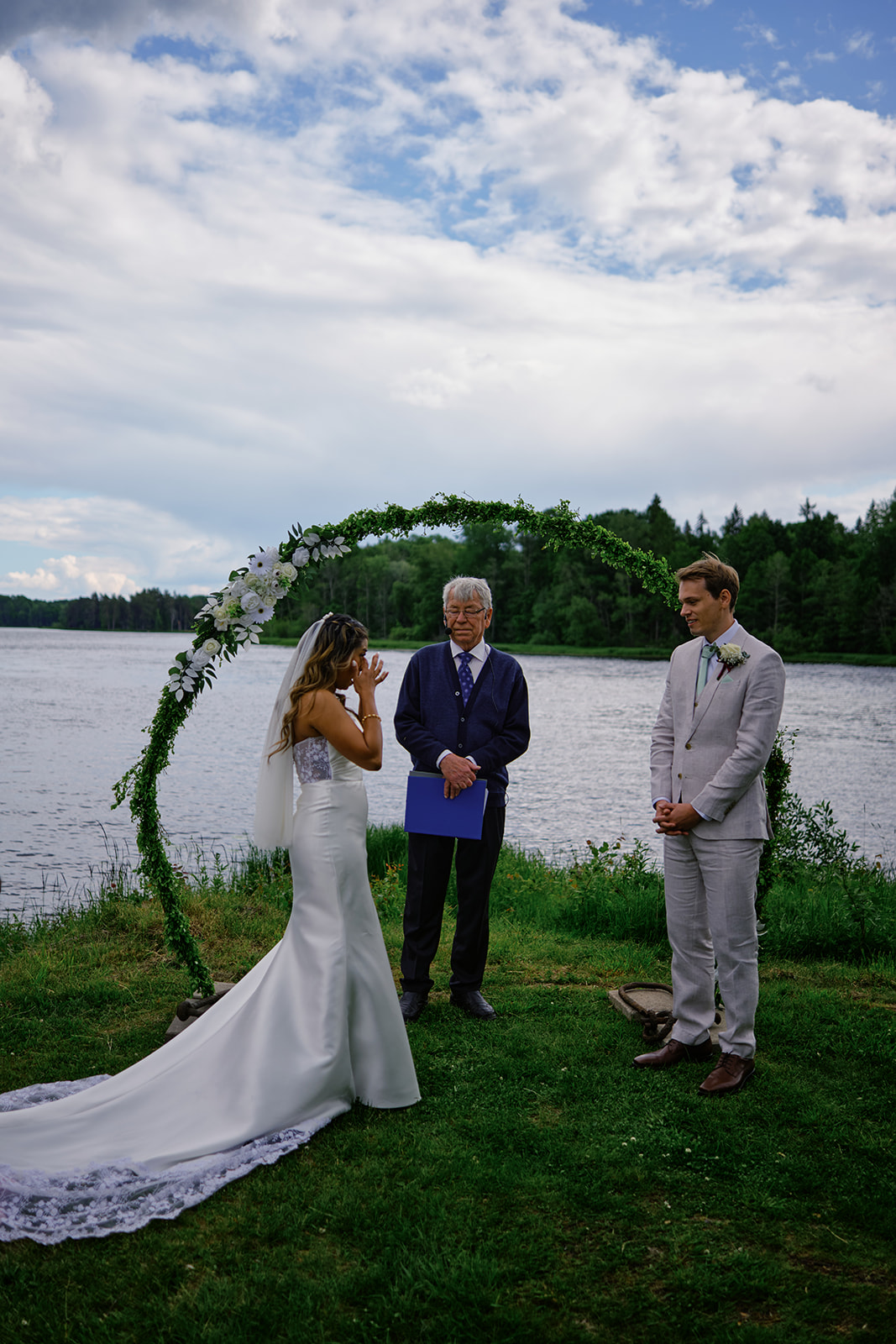
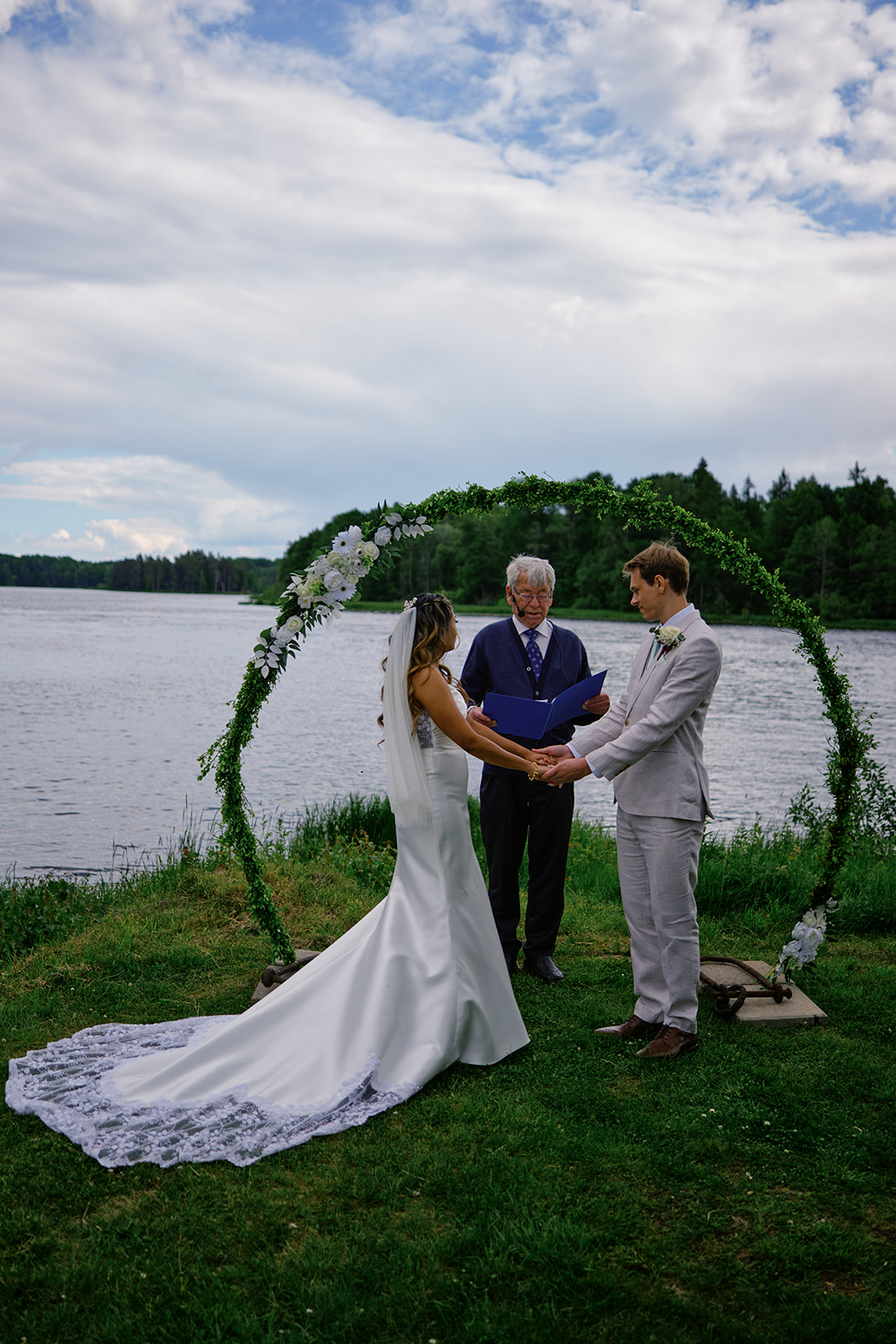
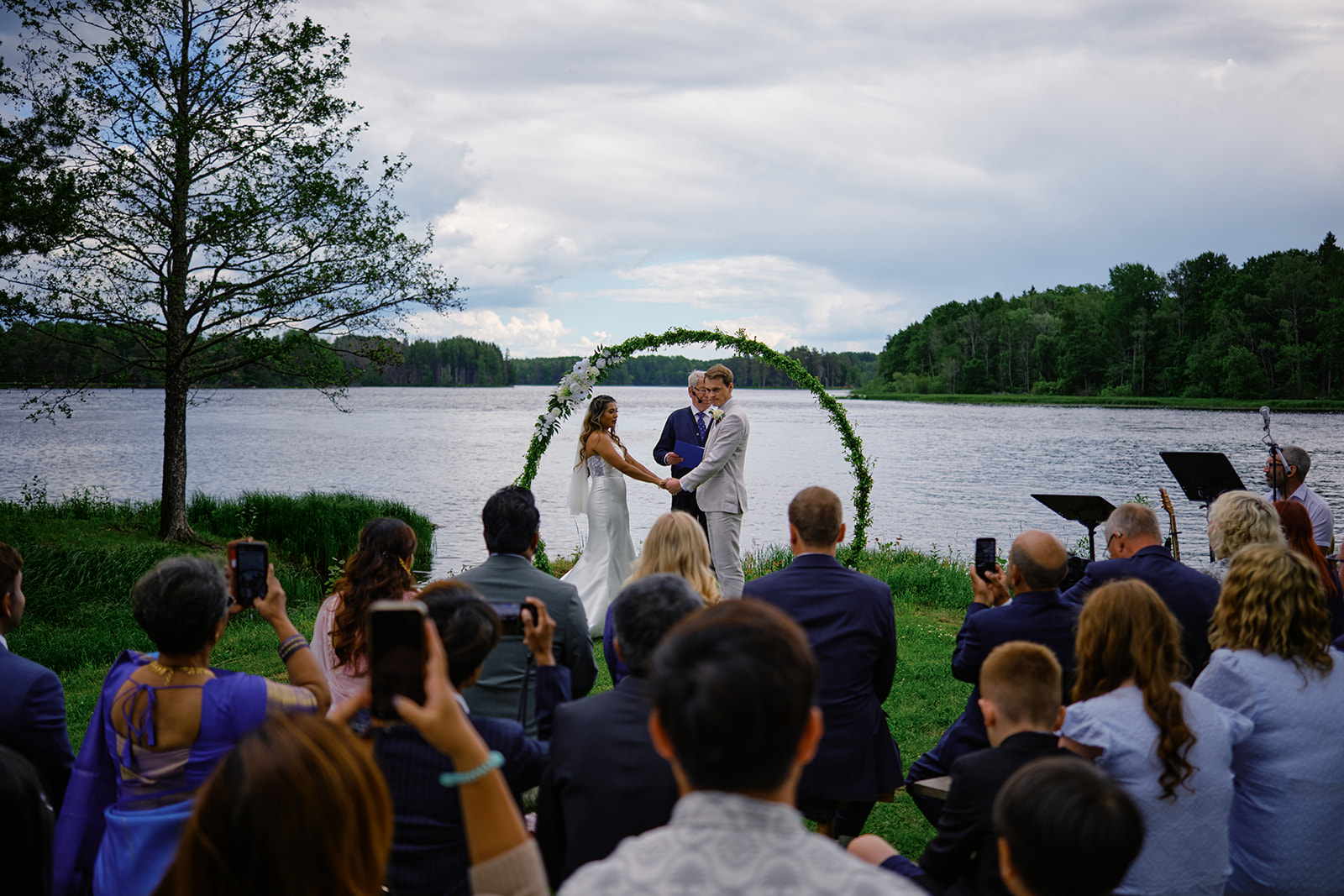
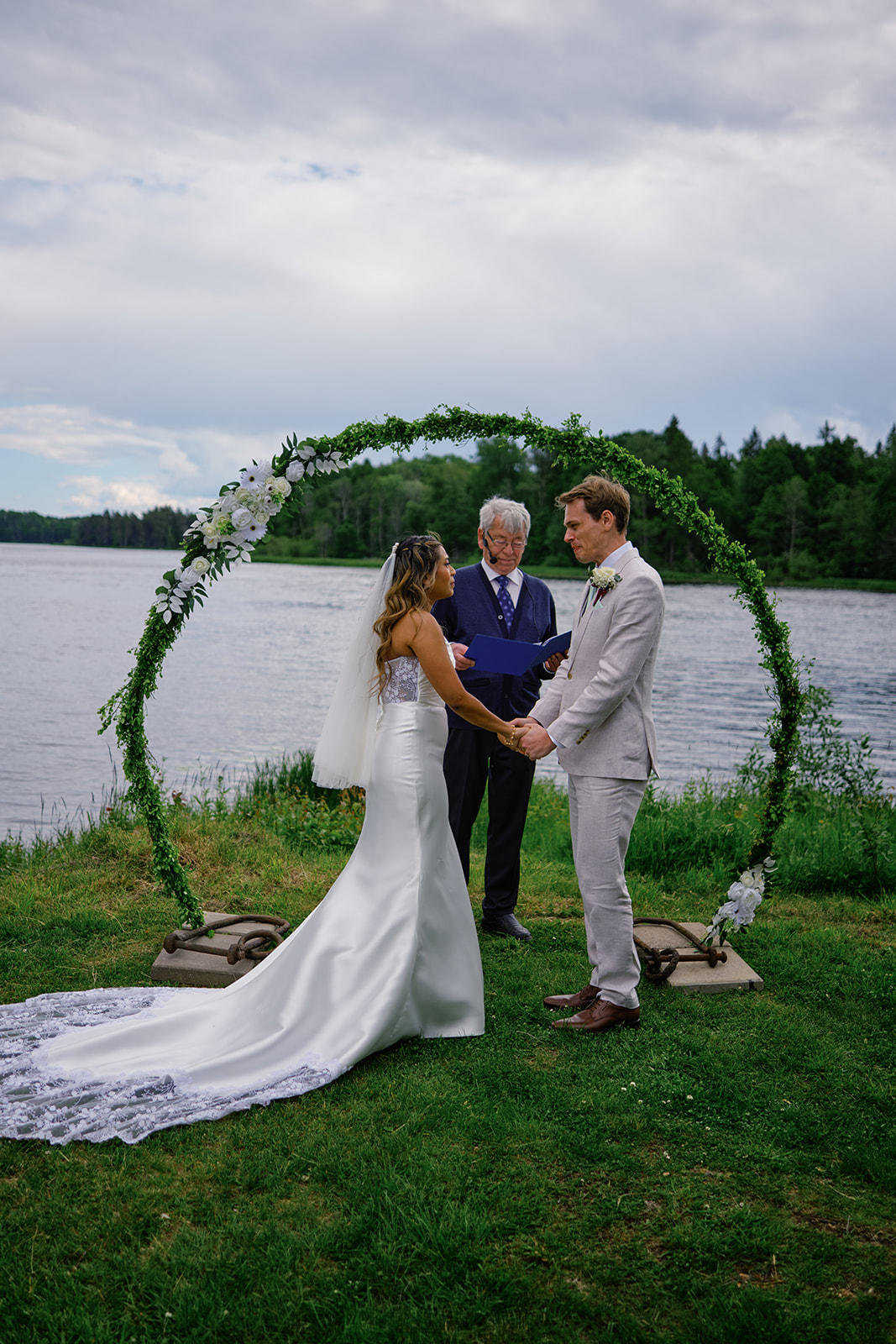
They married outside by the river, under a round arch, with a violinist and the guests on garden chairs on the grass. Gysinge will also put a ceremony in the park by the Orangerie, or indoors in Borgarn, if the sky looks wrong. The sky did look wrong. It held.
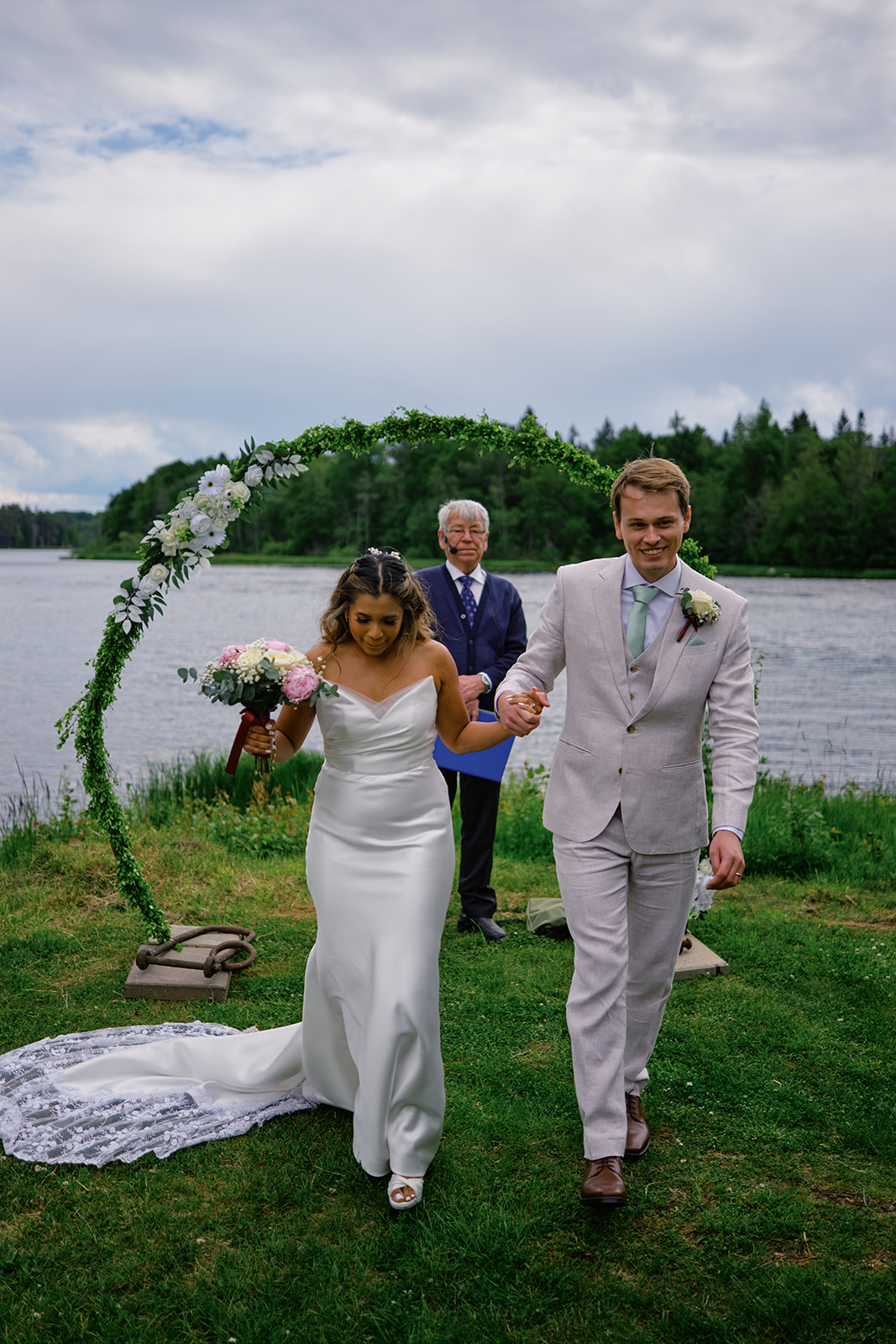
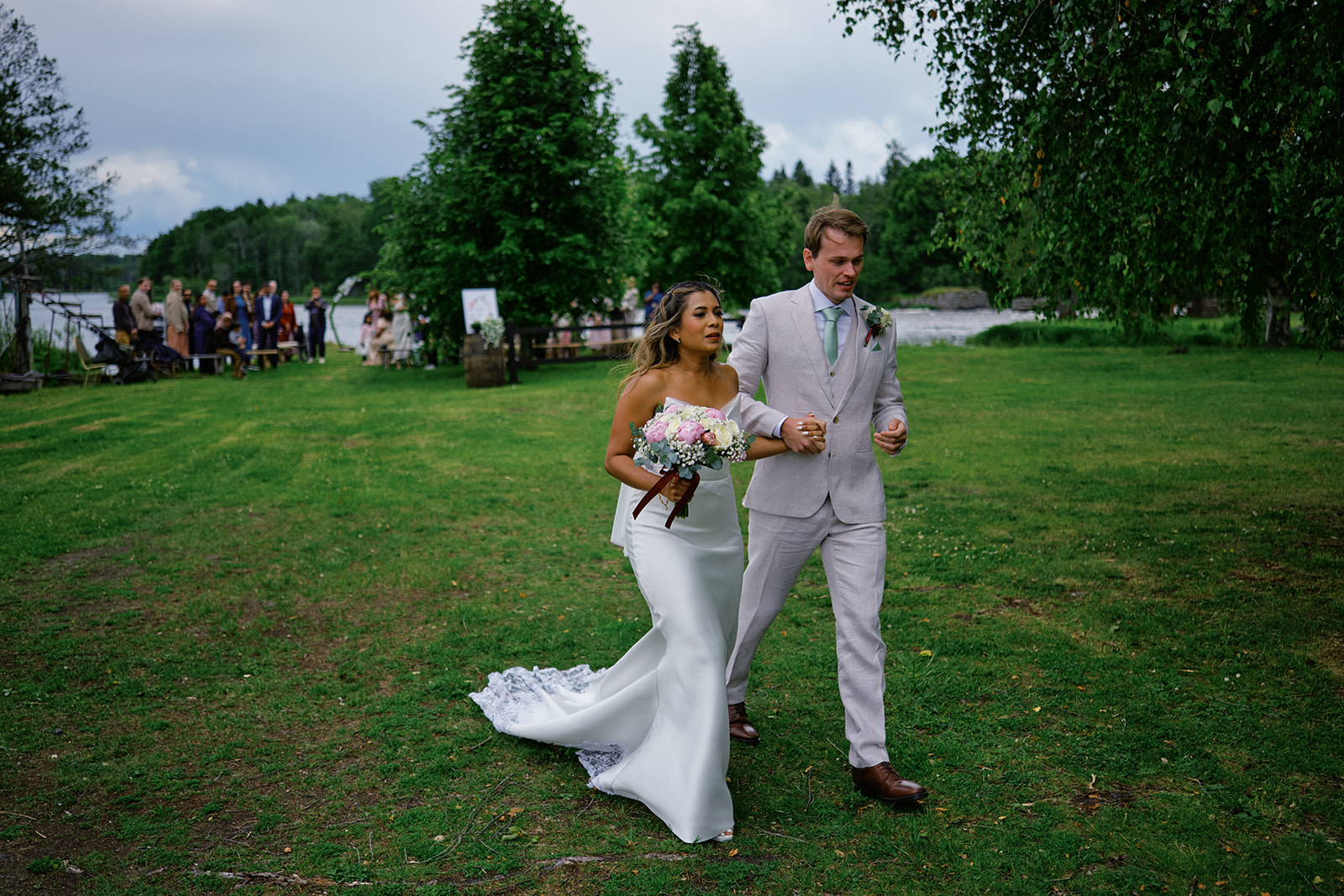
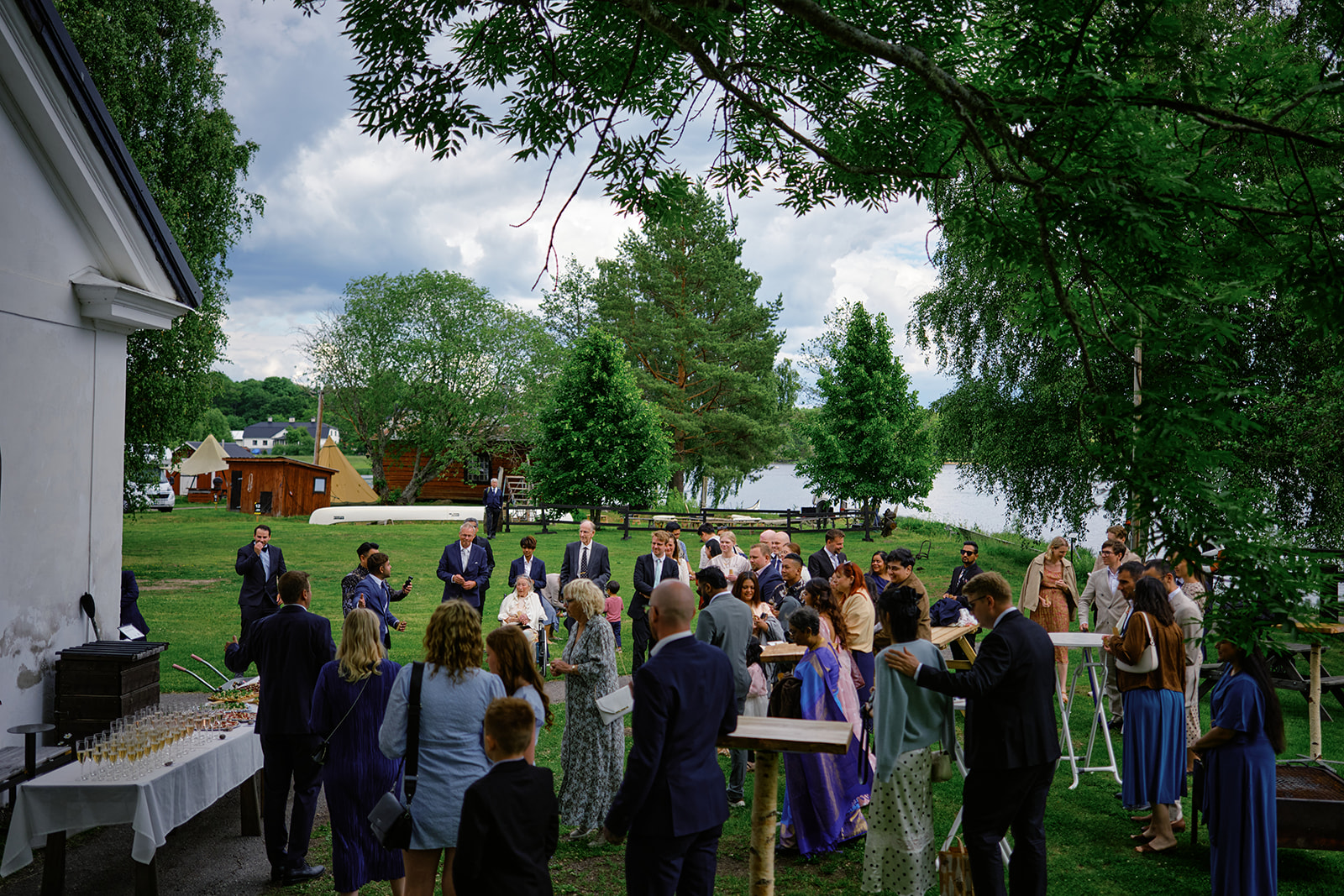
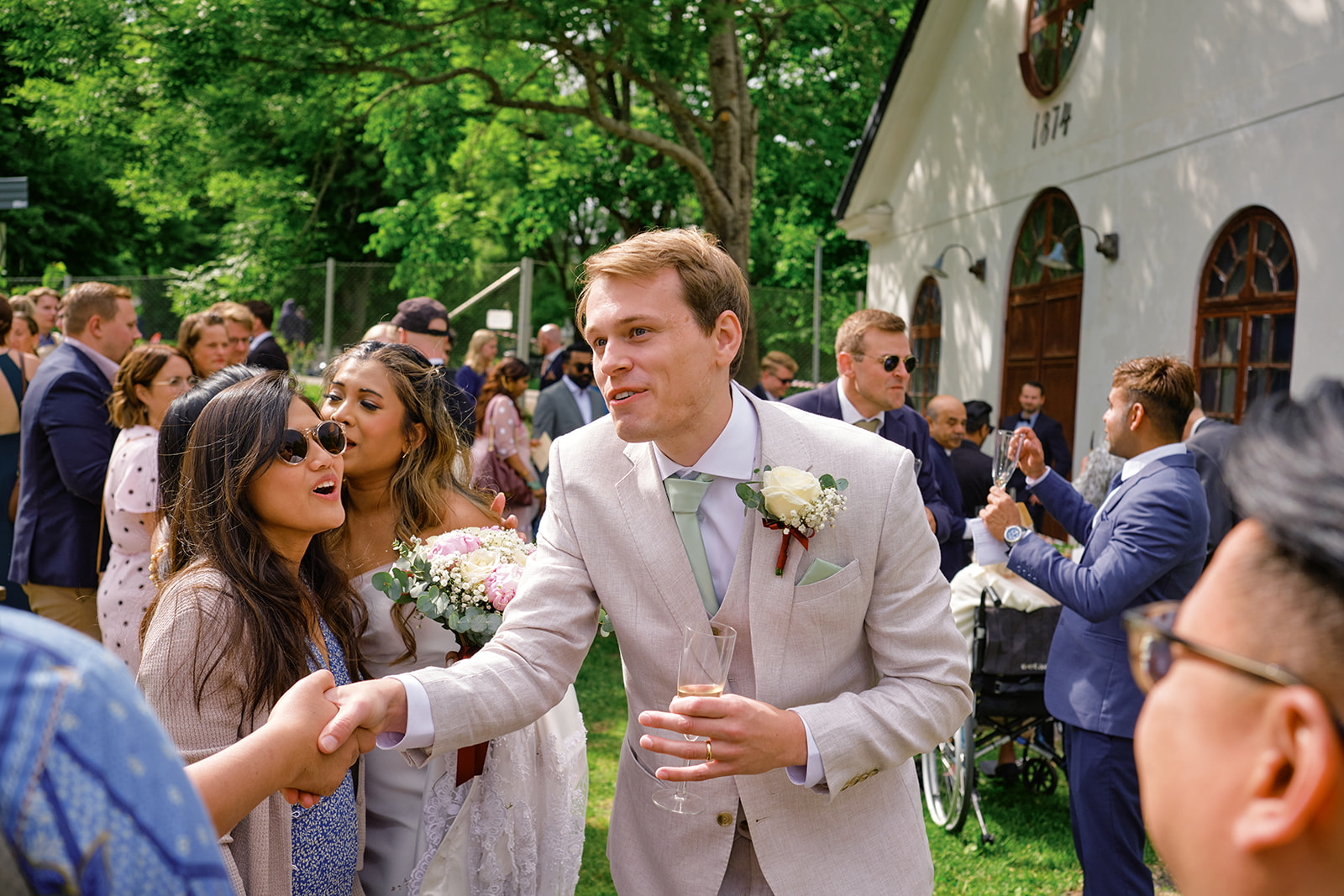
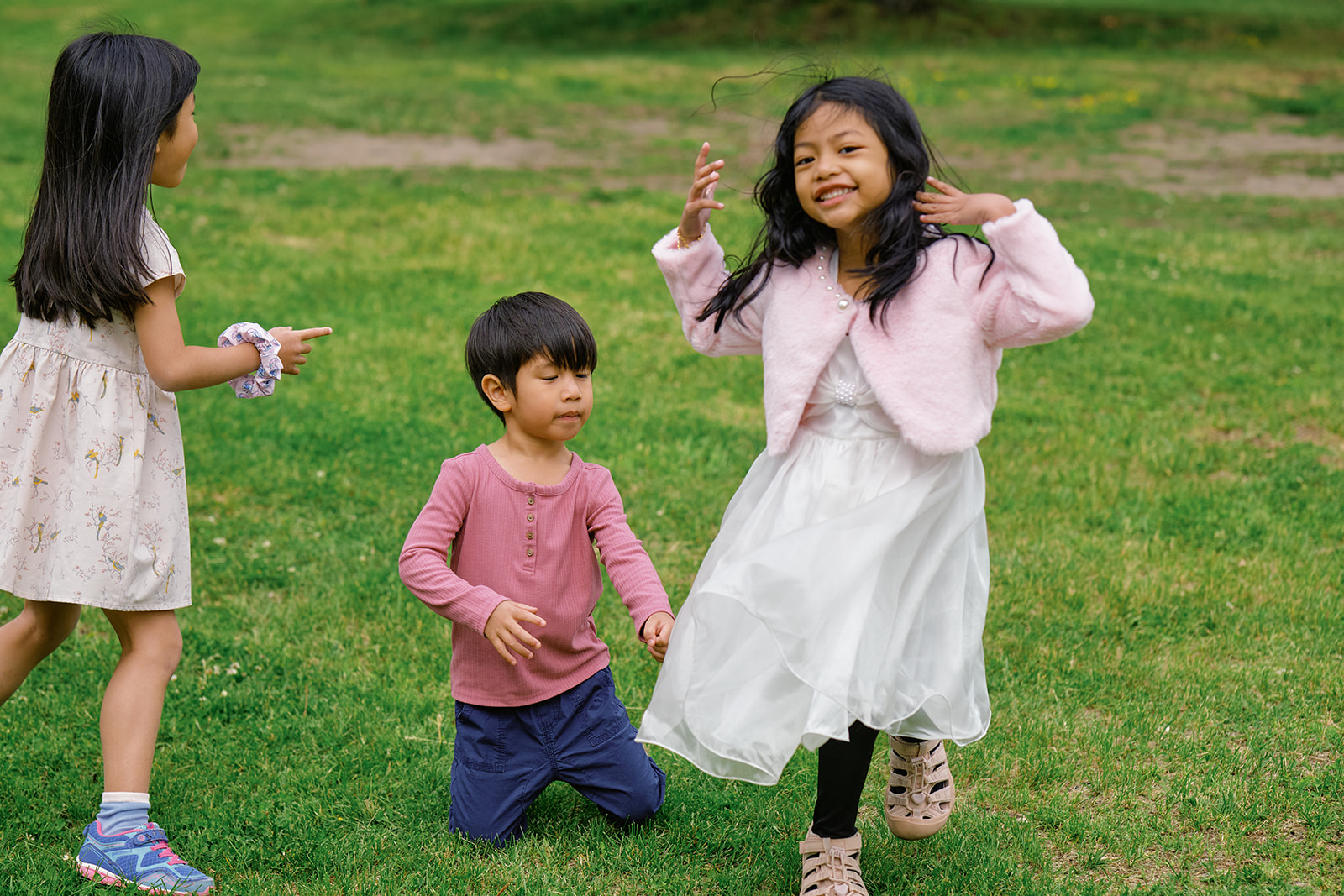
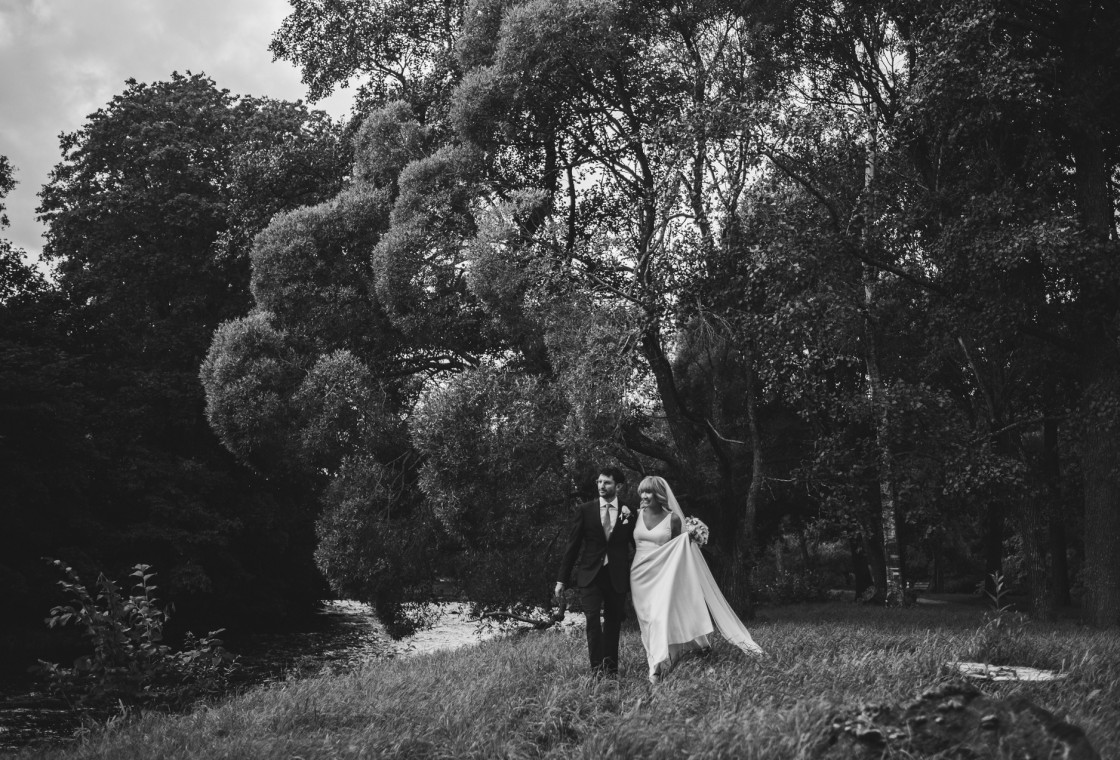
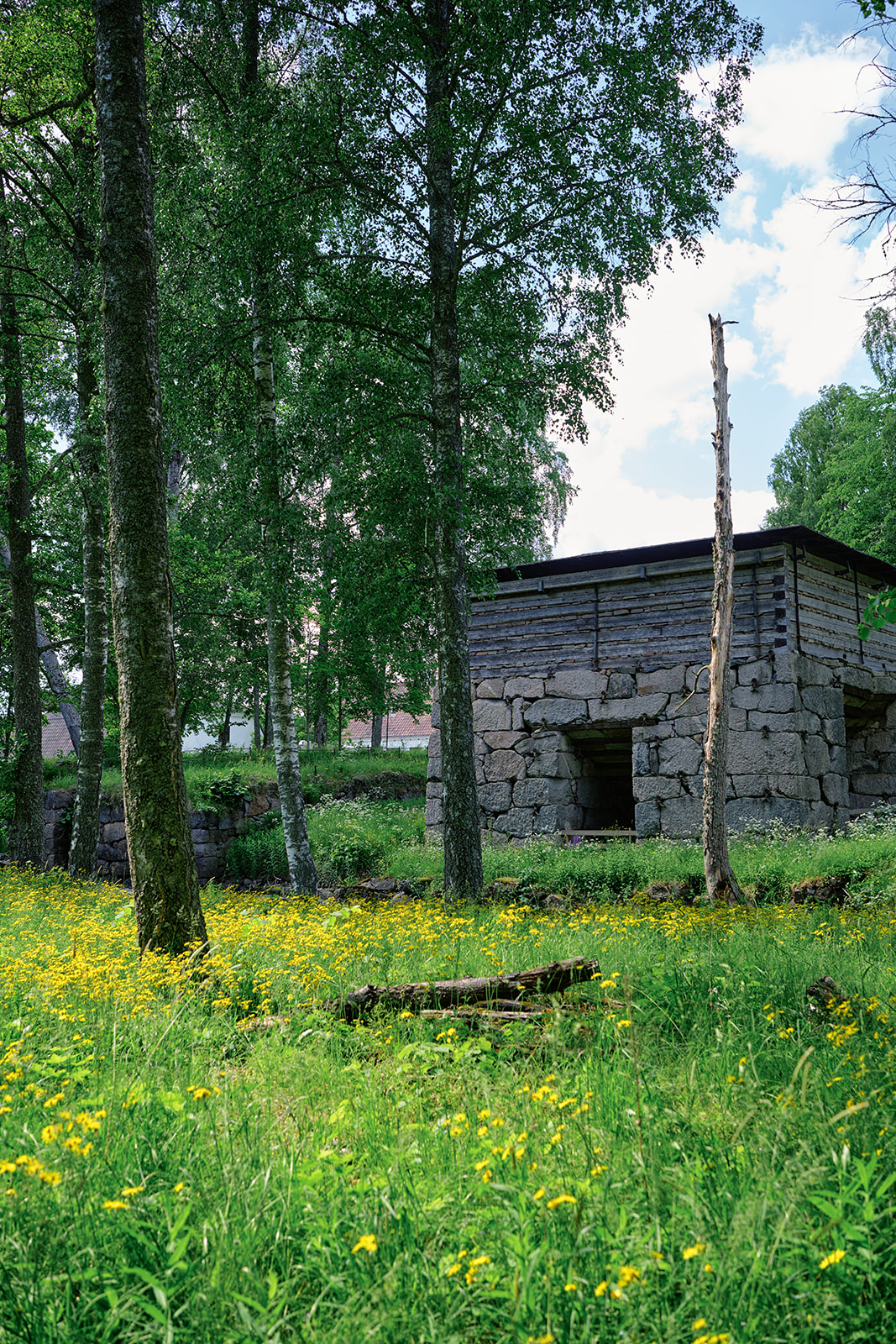
Then we walked, and this is the argument for the place that a website cannot make on its own. Inside ten minutes on foot there is a formal garden, an orchard, a stone ruin standing in buttercups, a row of falu red barns, a millrace, a covered wooden bridge and a set of rapids. No driving, no schedule, no location list. You point at something and go.
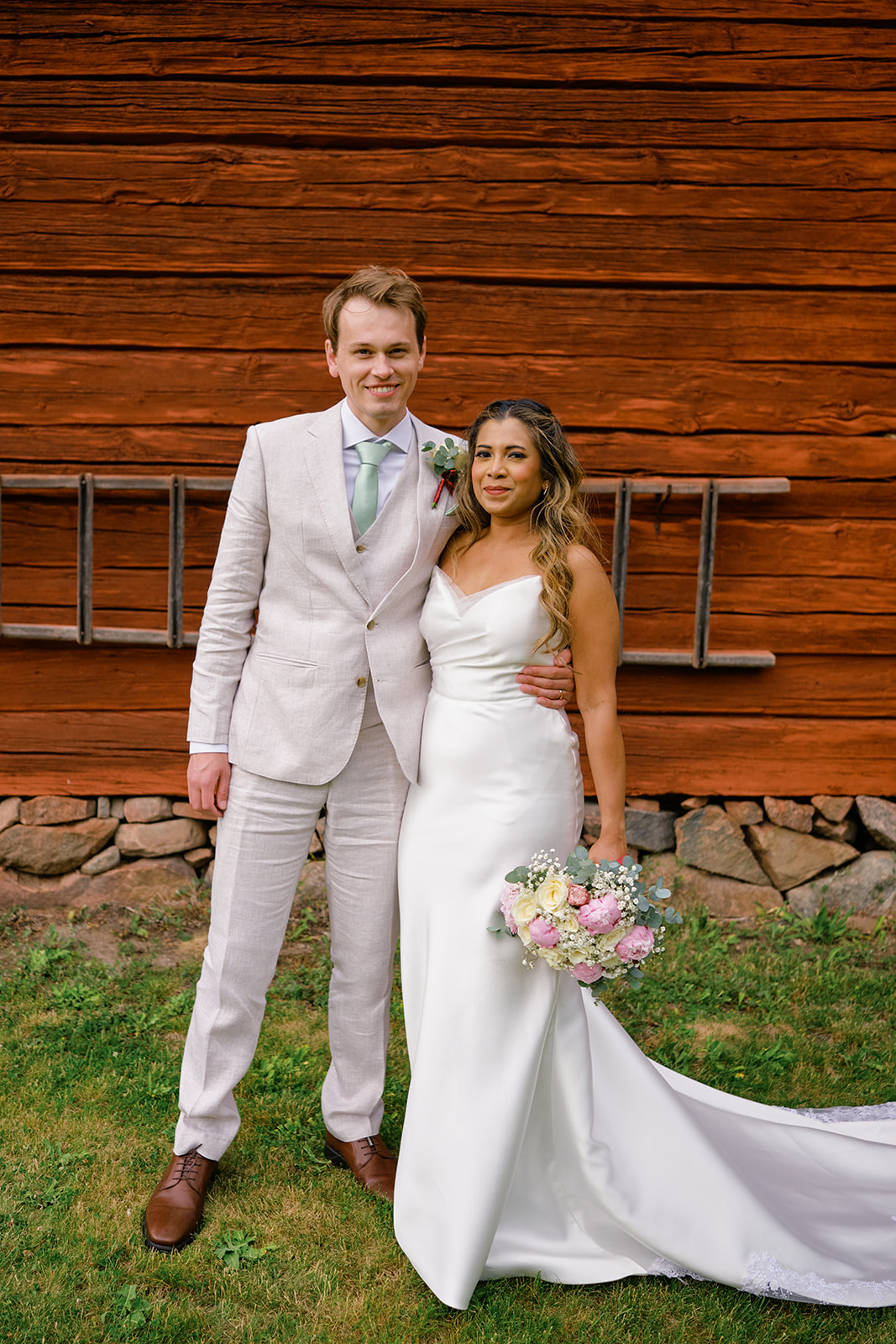
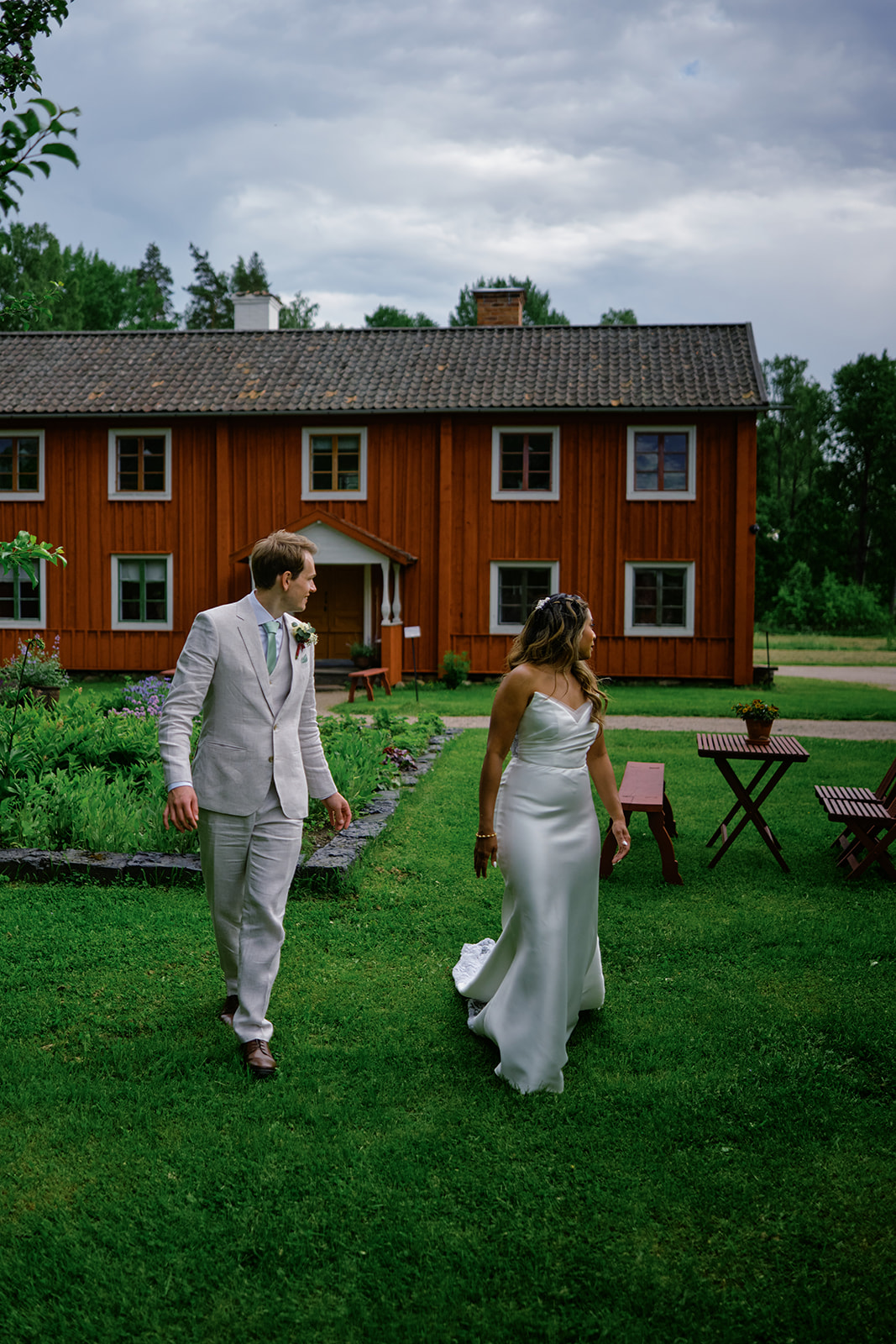
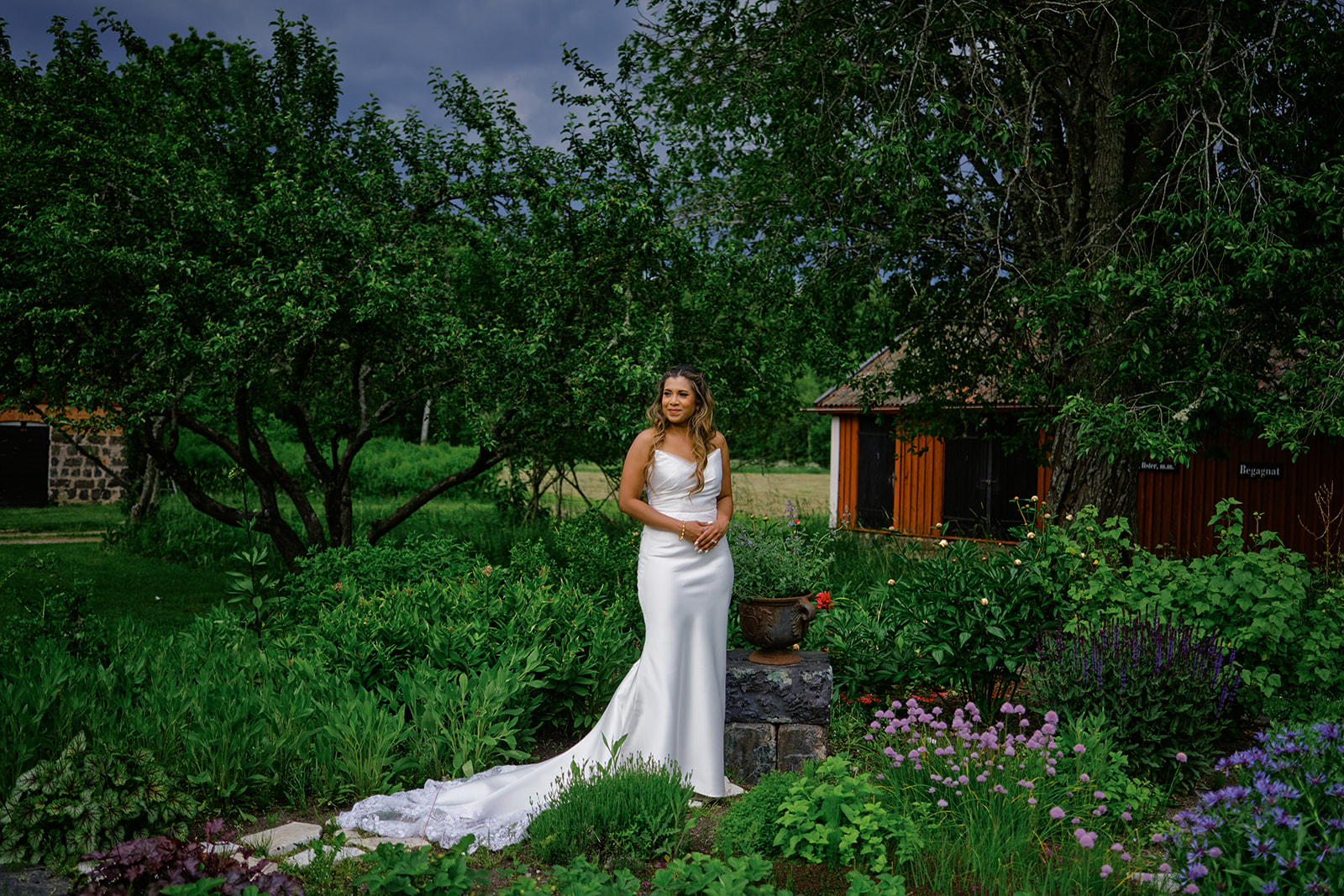
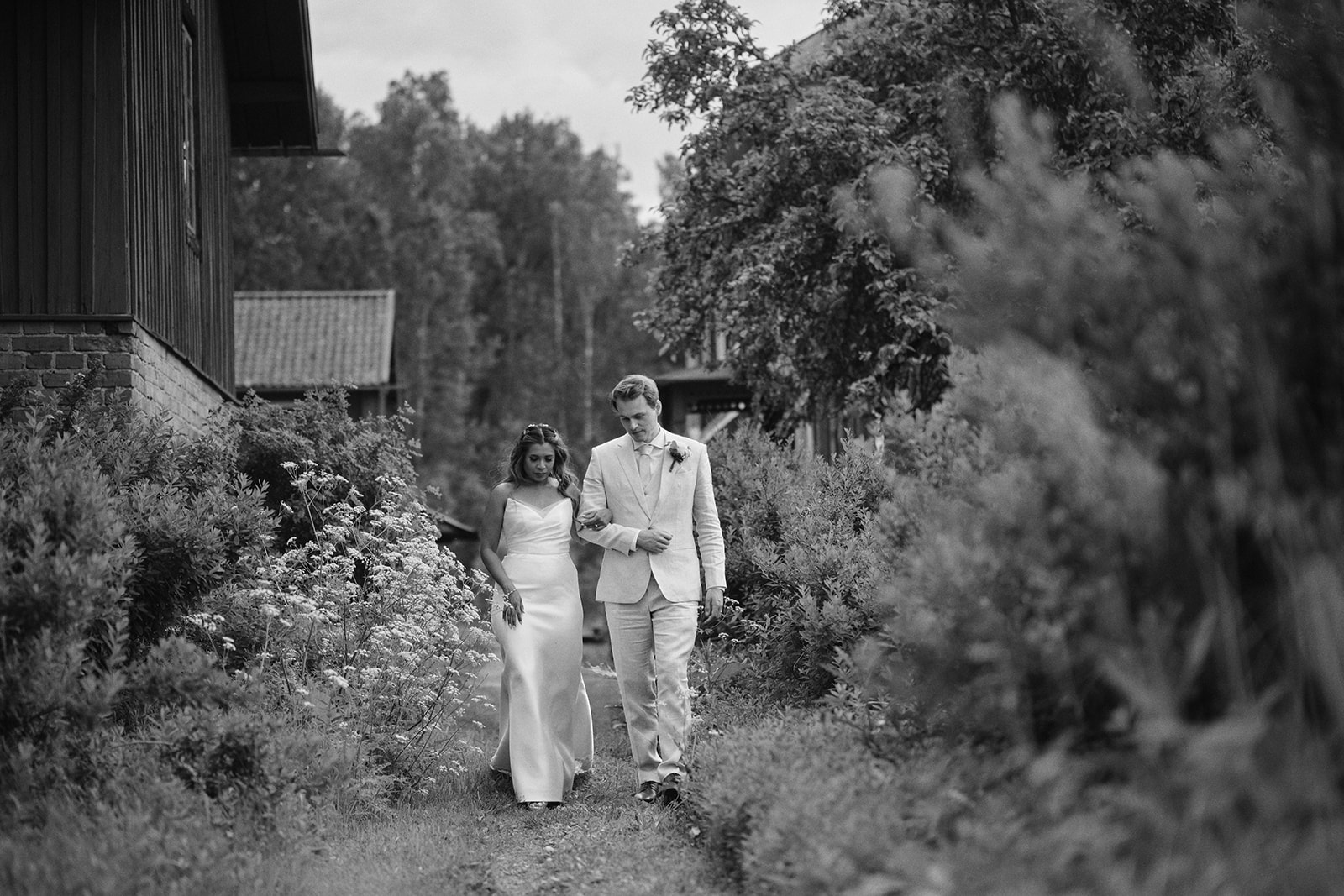
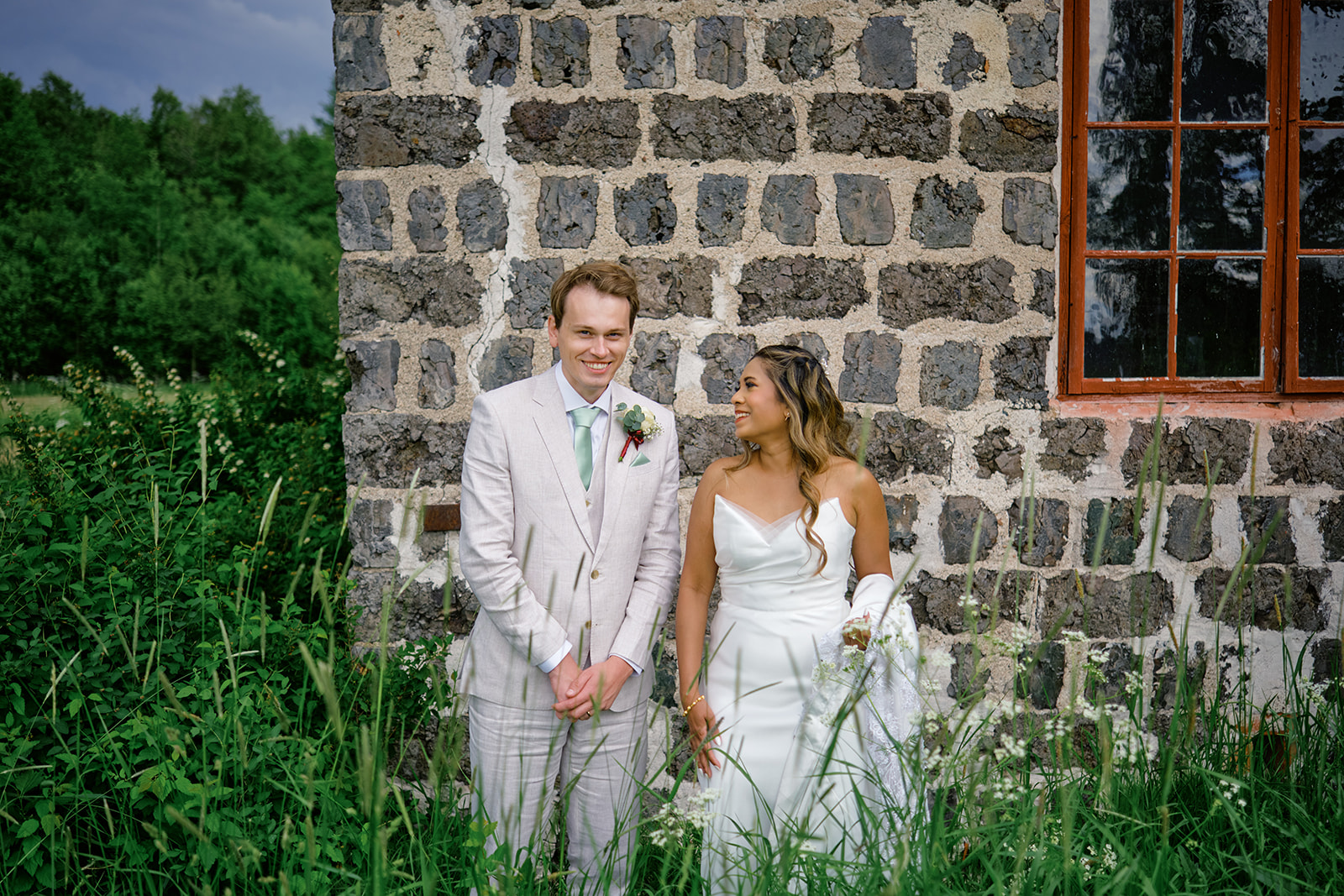
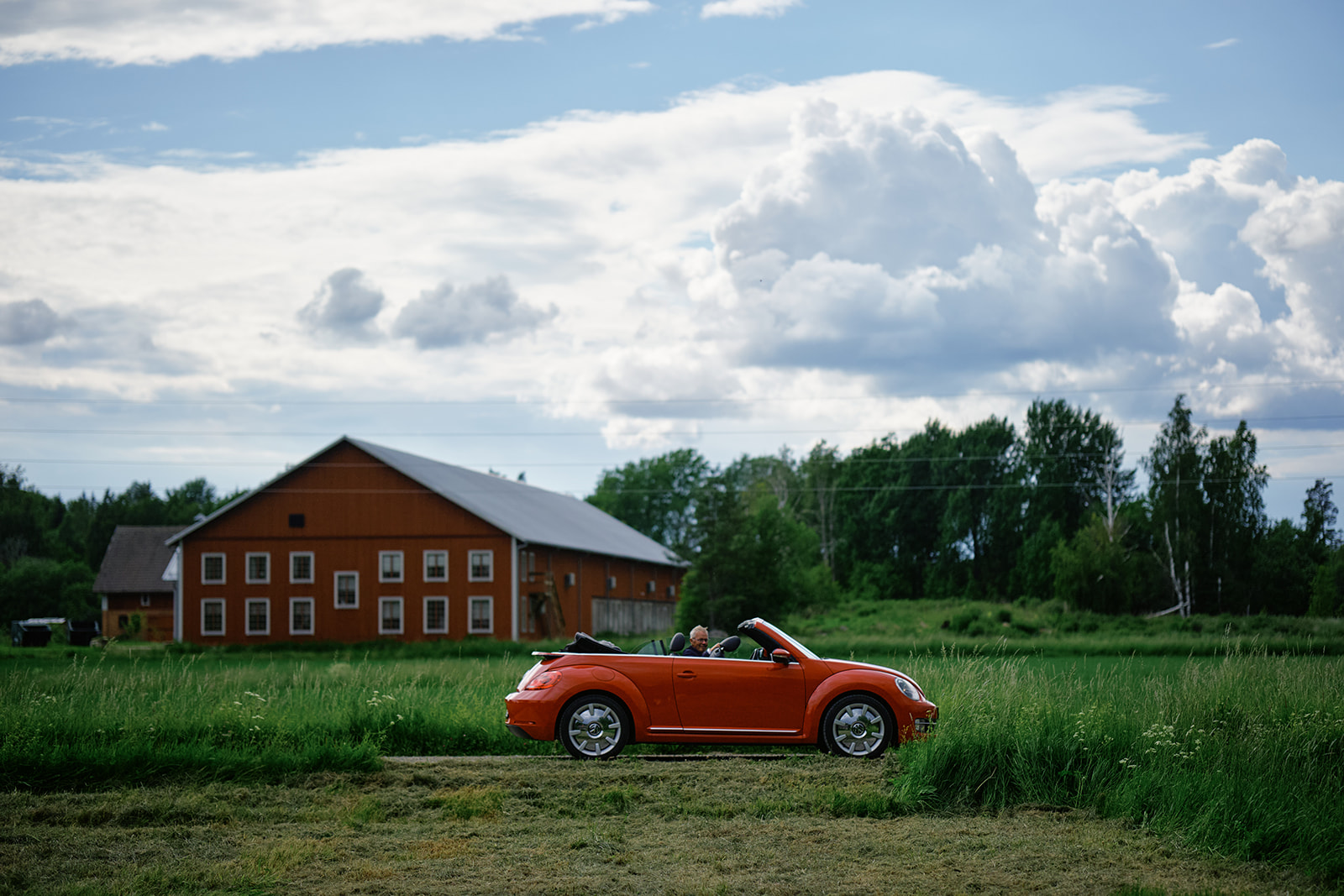
The wall in that last frame is a leftover from the ironworks and nobody at the wedding gave it a second look. That is roughly the standard of the scenery lying around loose here.
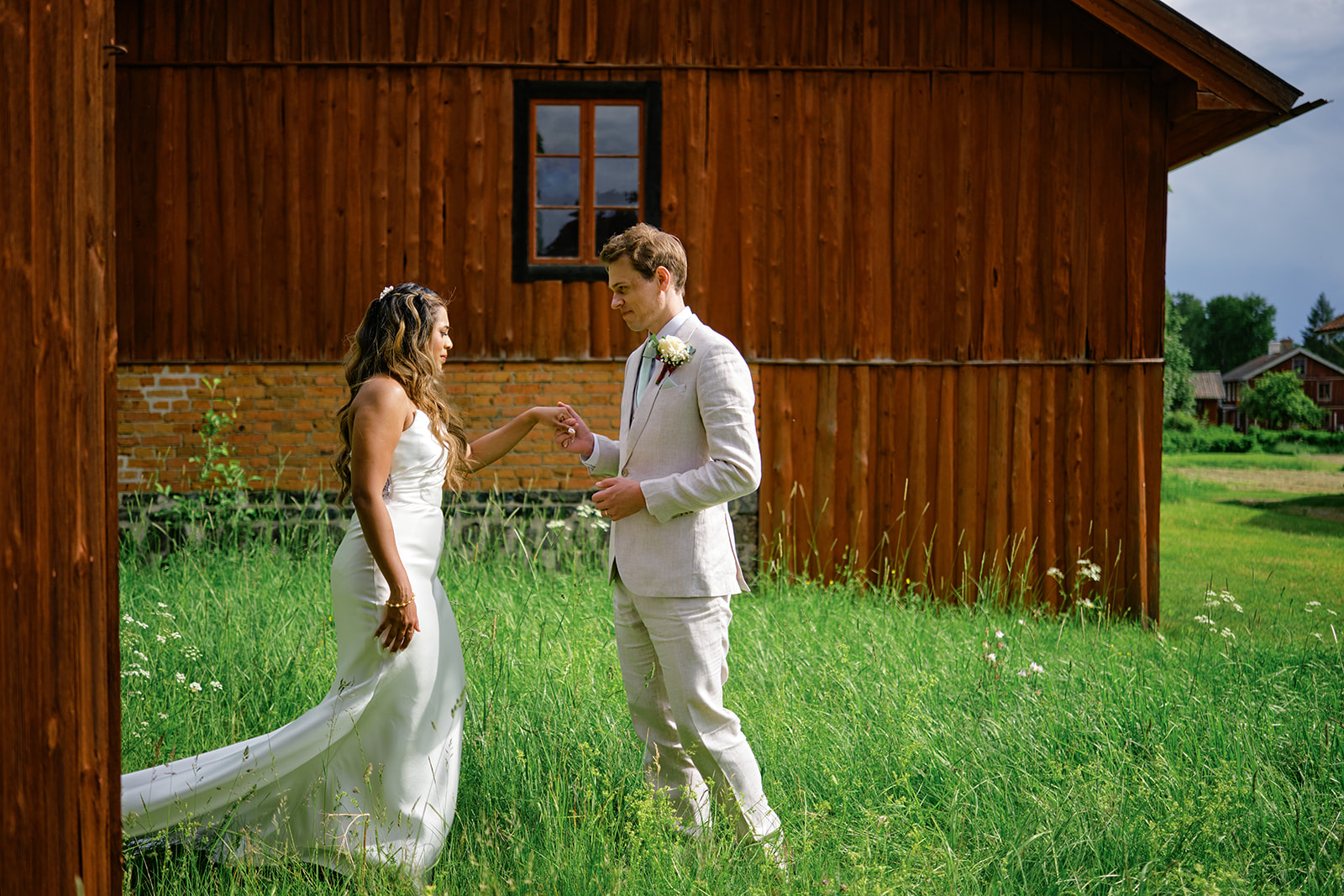
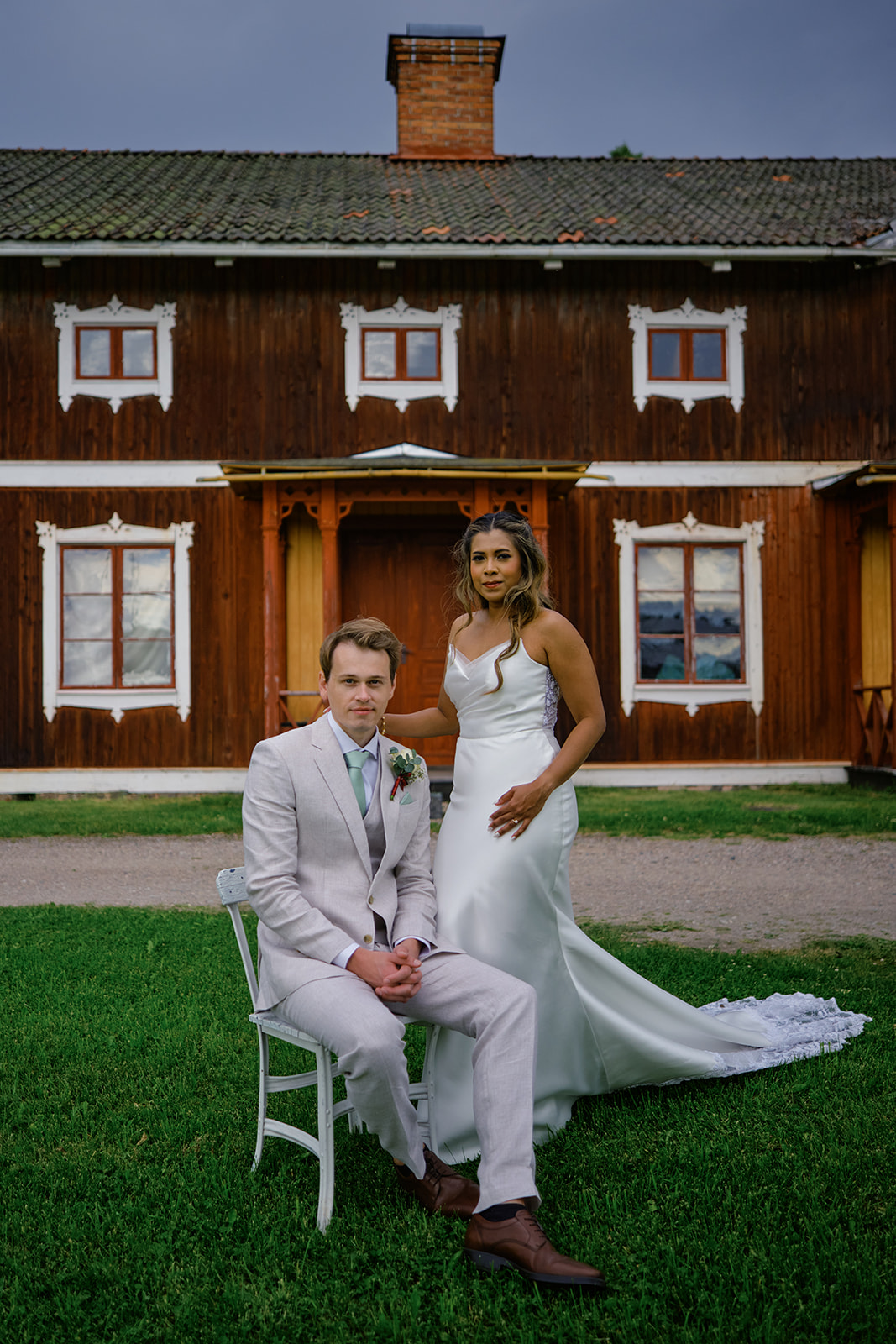
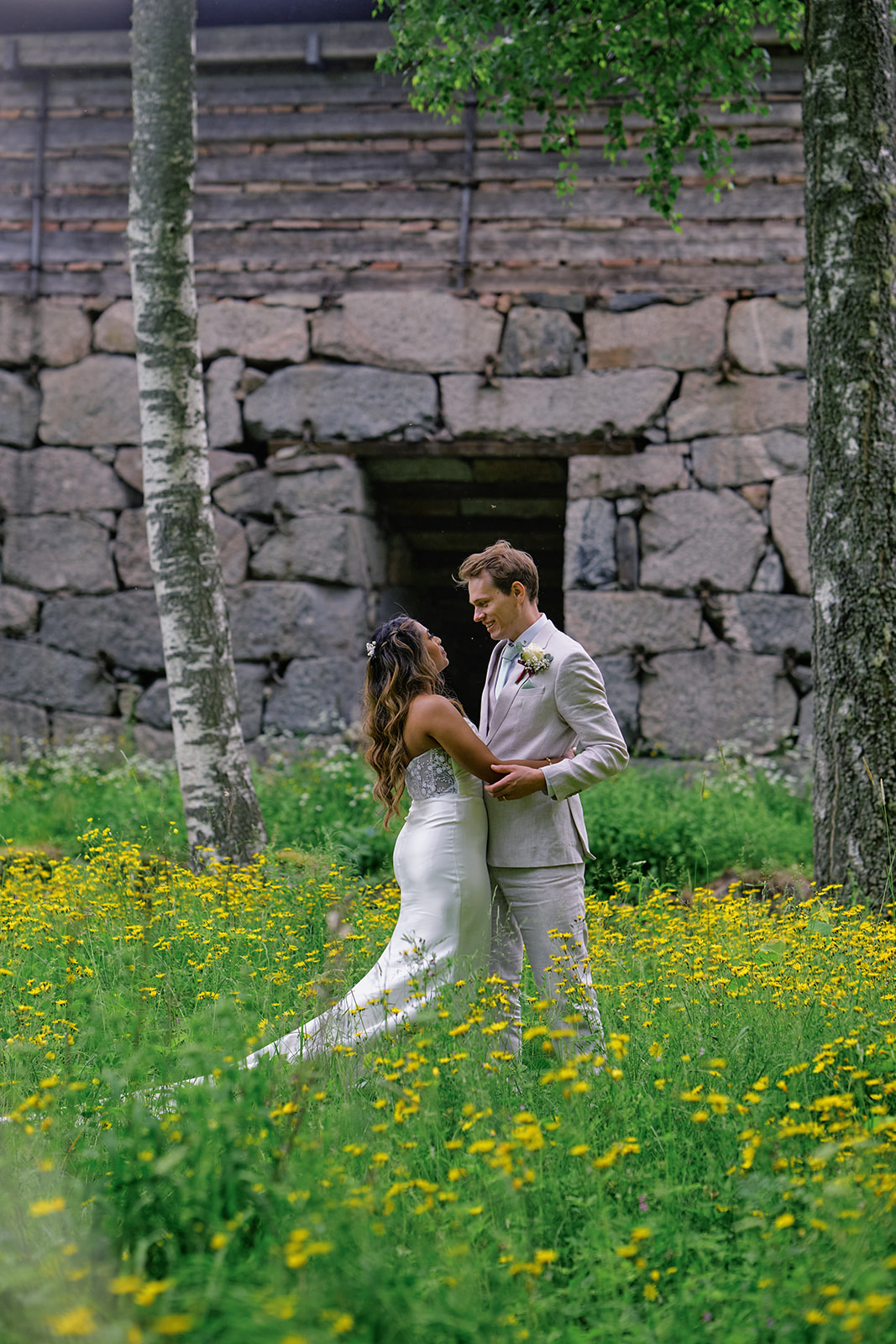
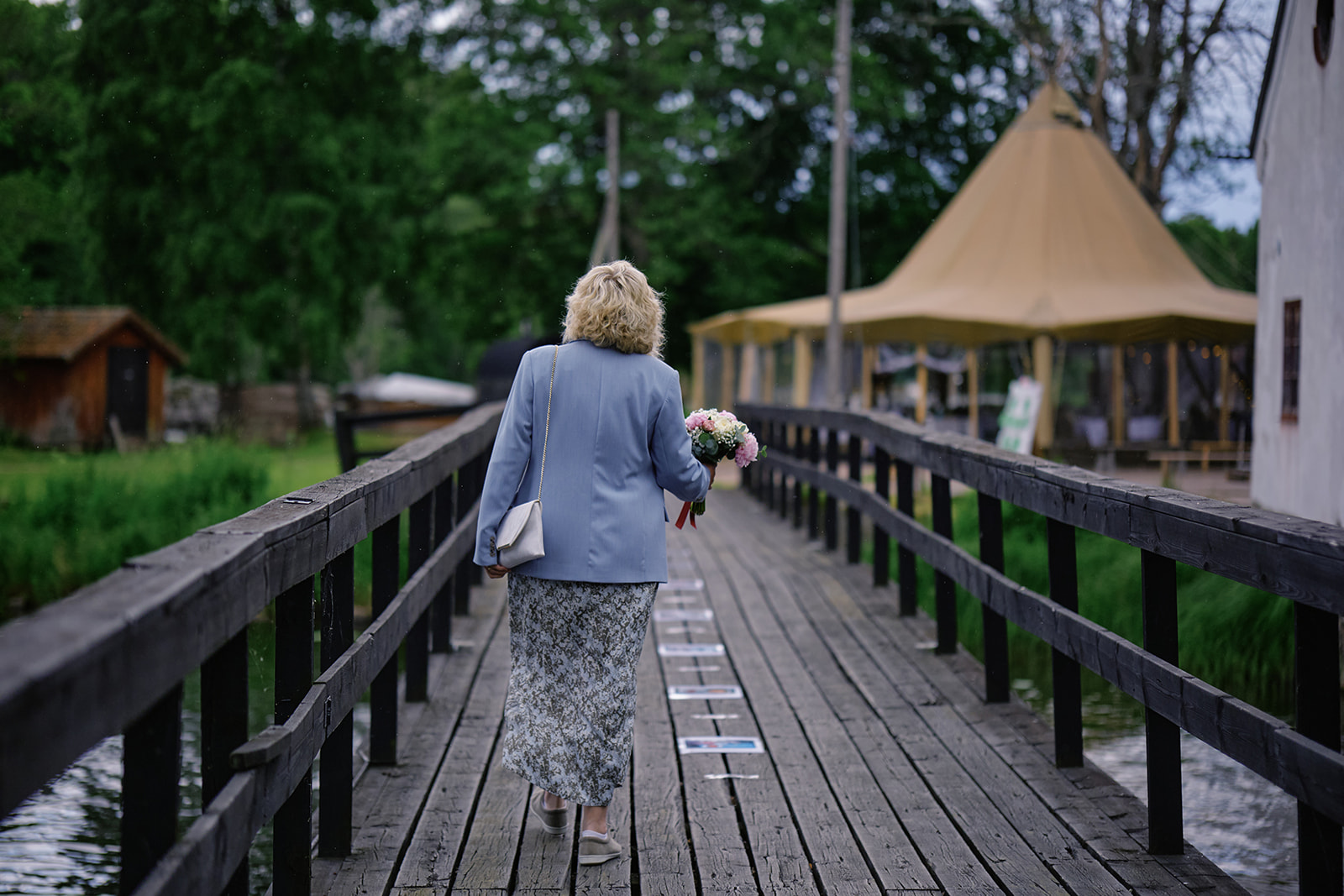
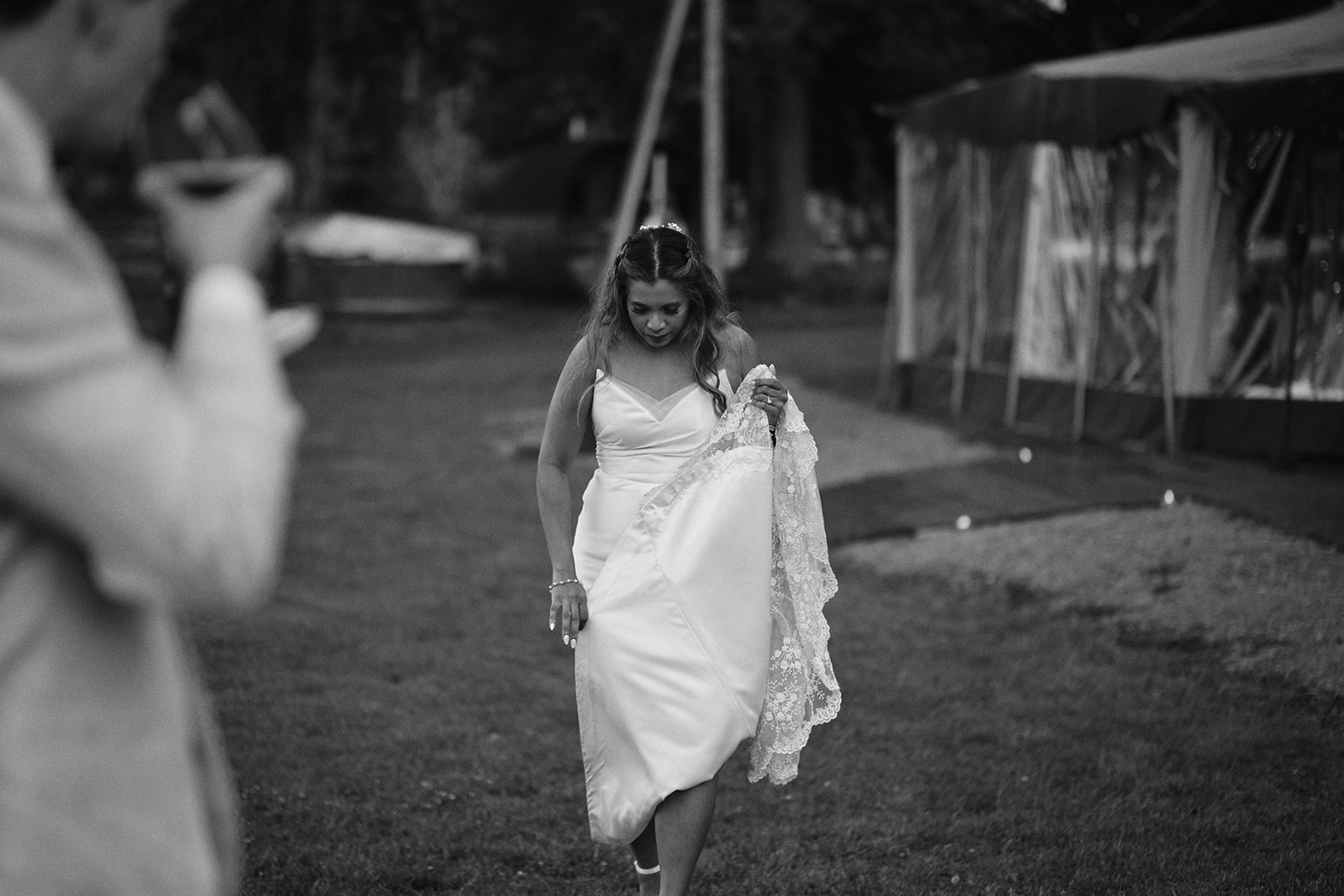
It rained in the afternoon, because that is what a Swedish summer does, and the tipi and the covered bridge earned their keep. Dinner ran under canvas with the river going past outside.
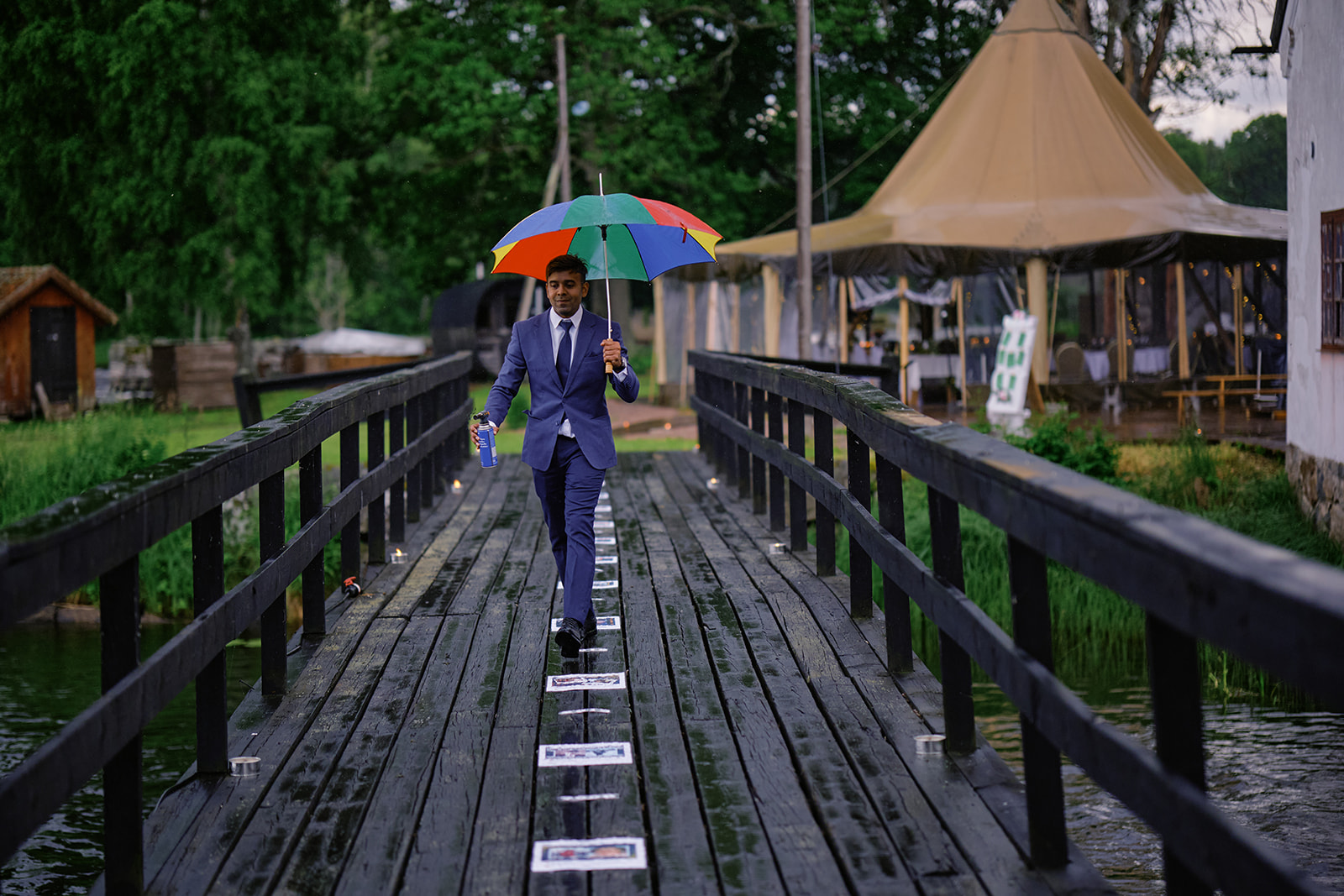
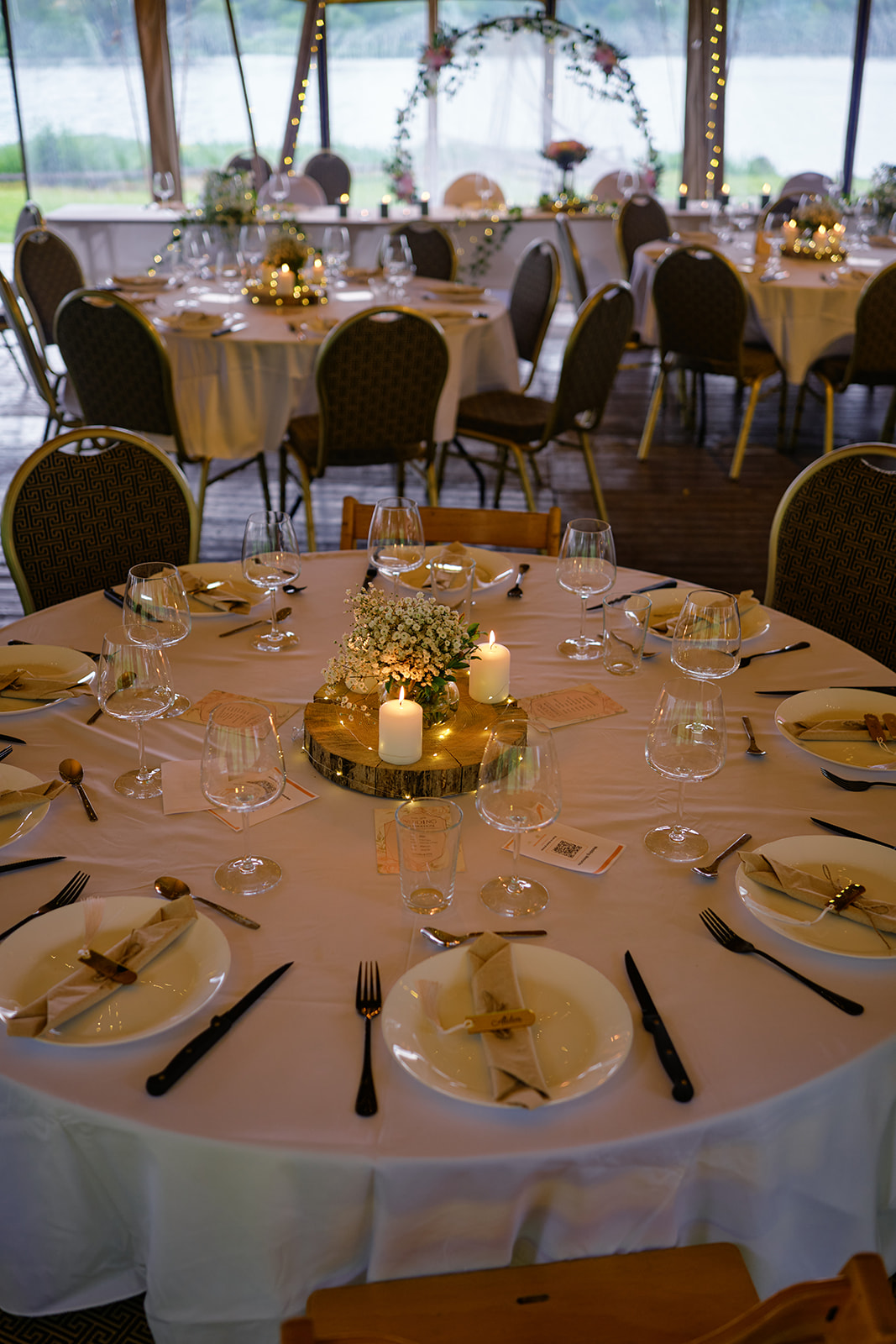
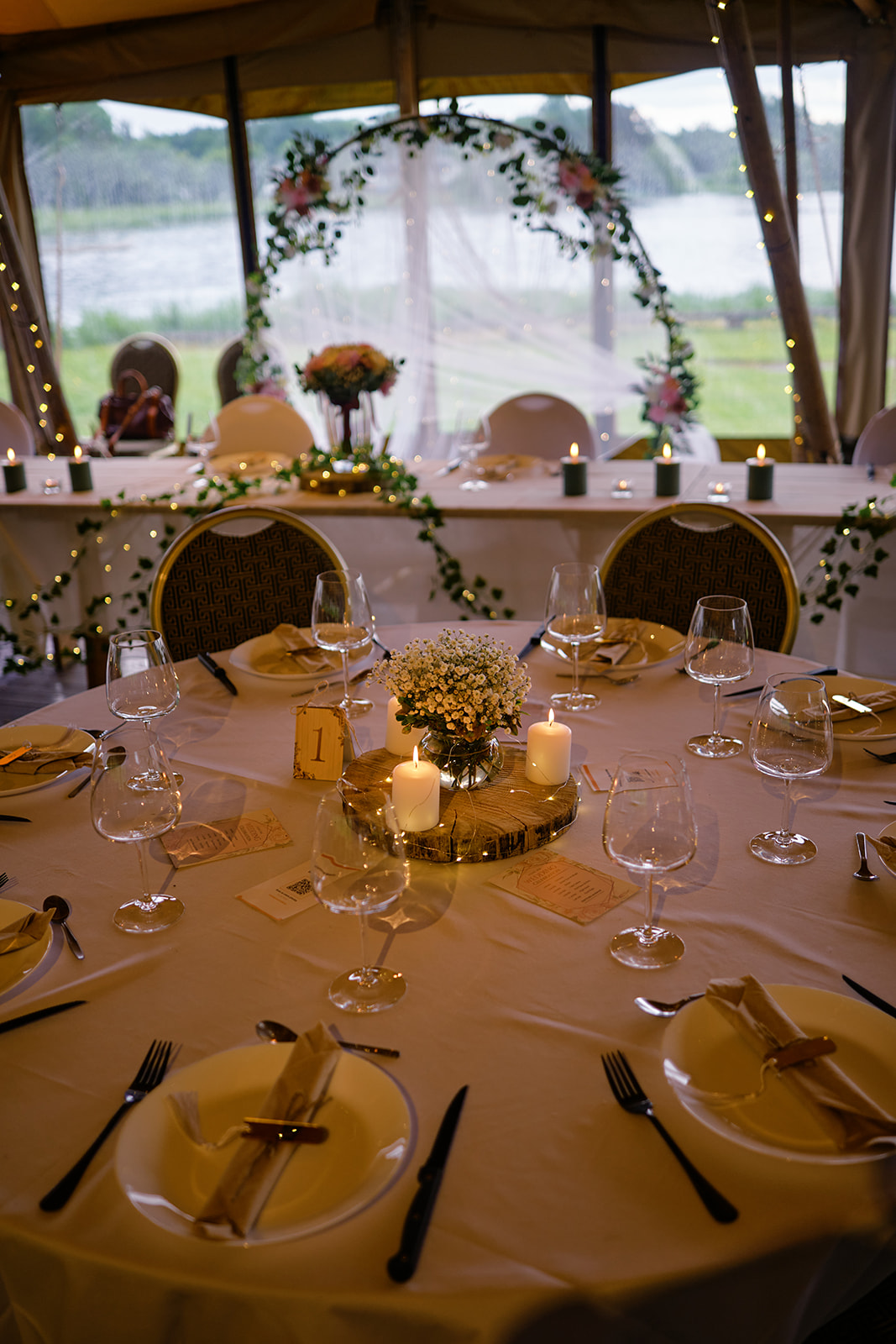
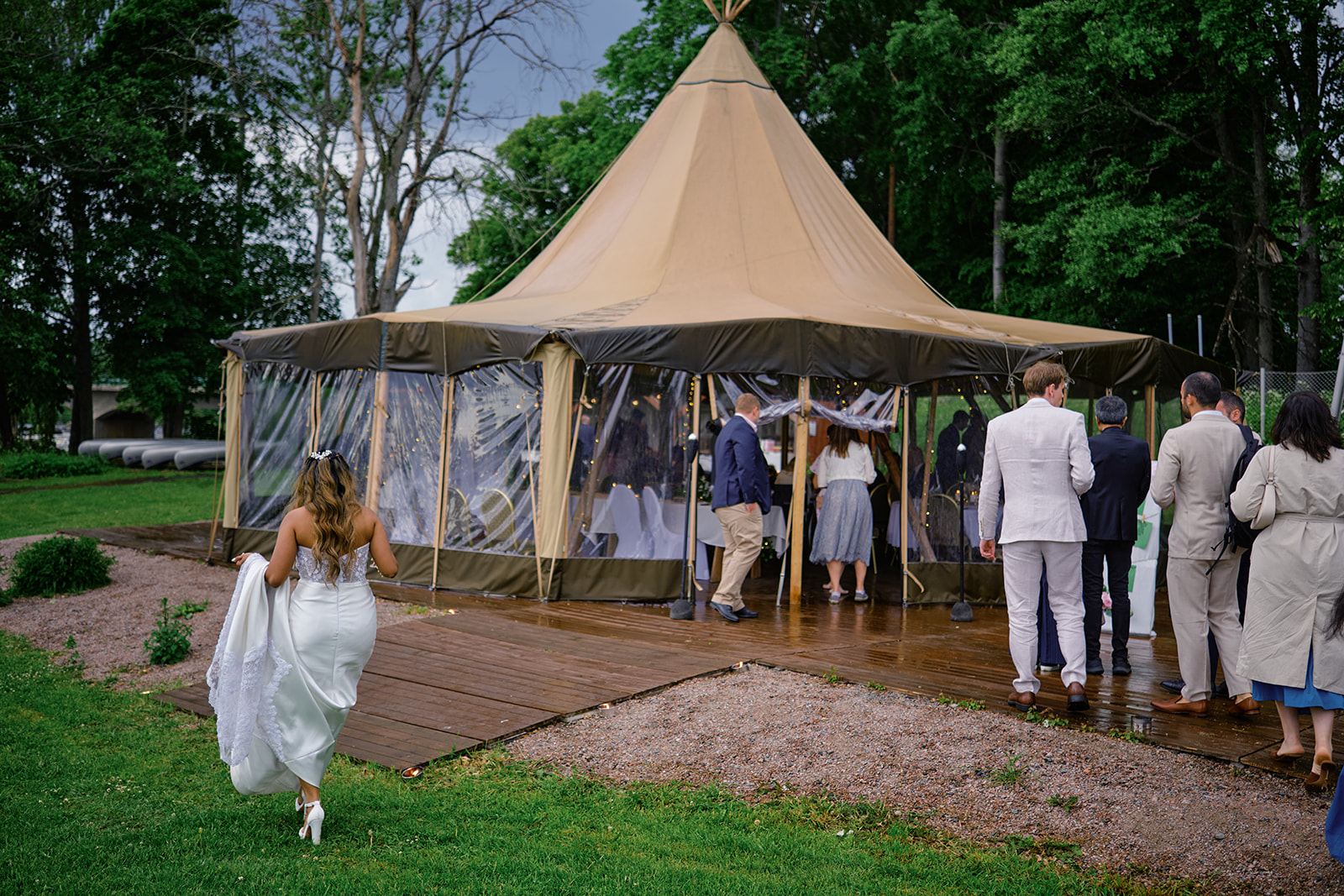
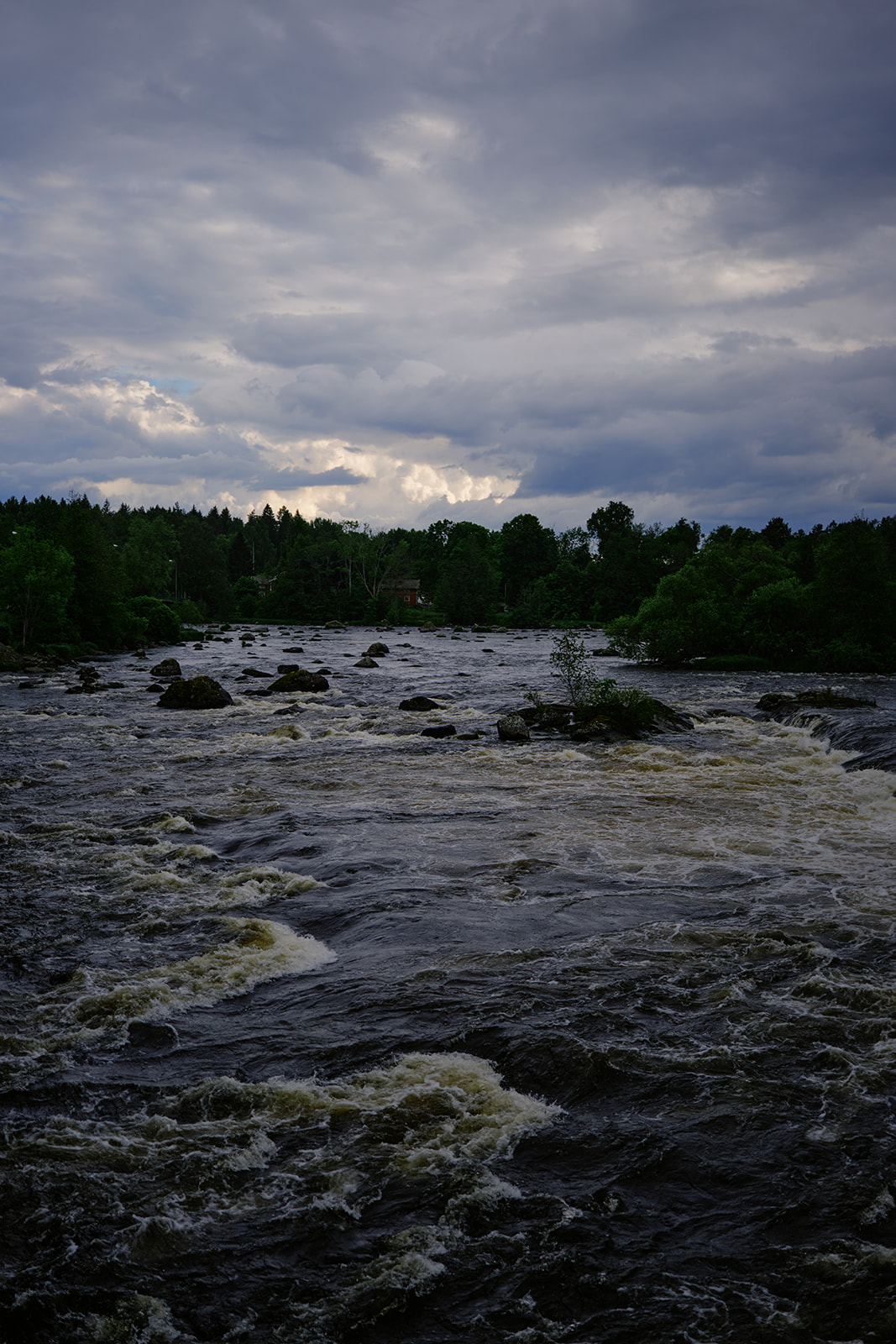
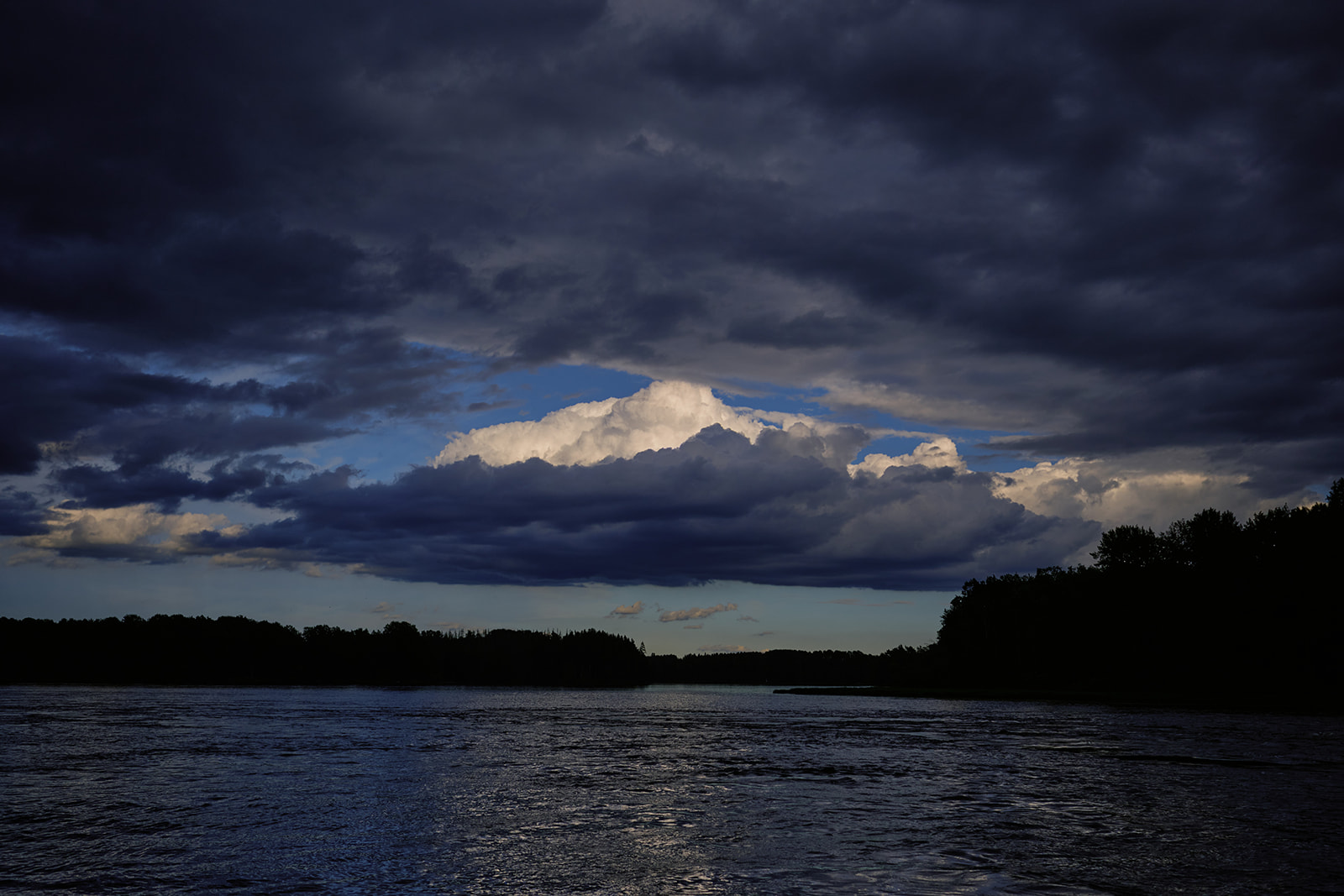
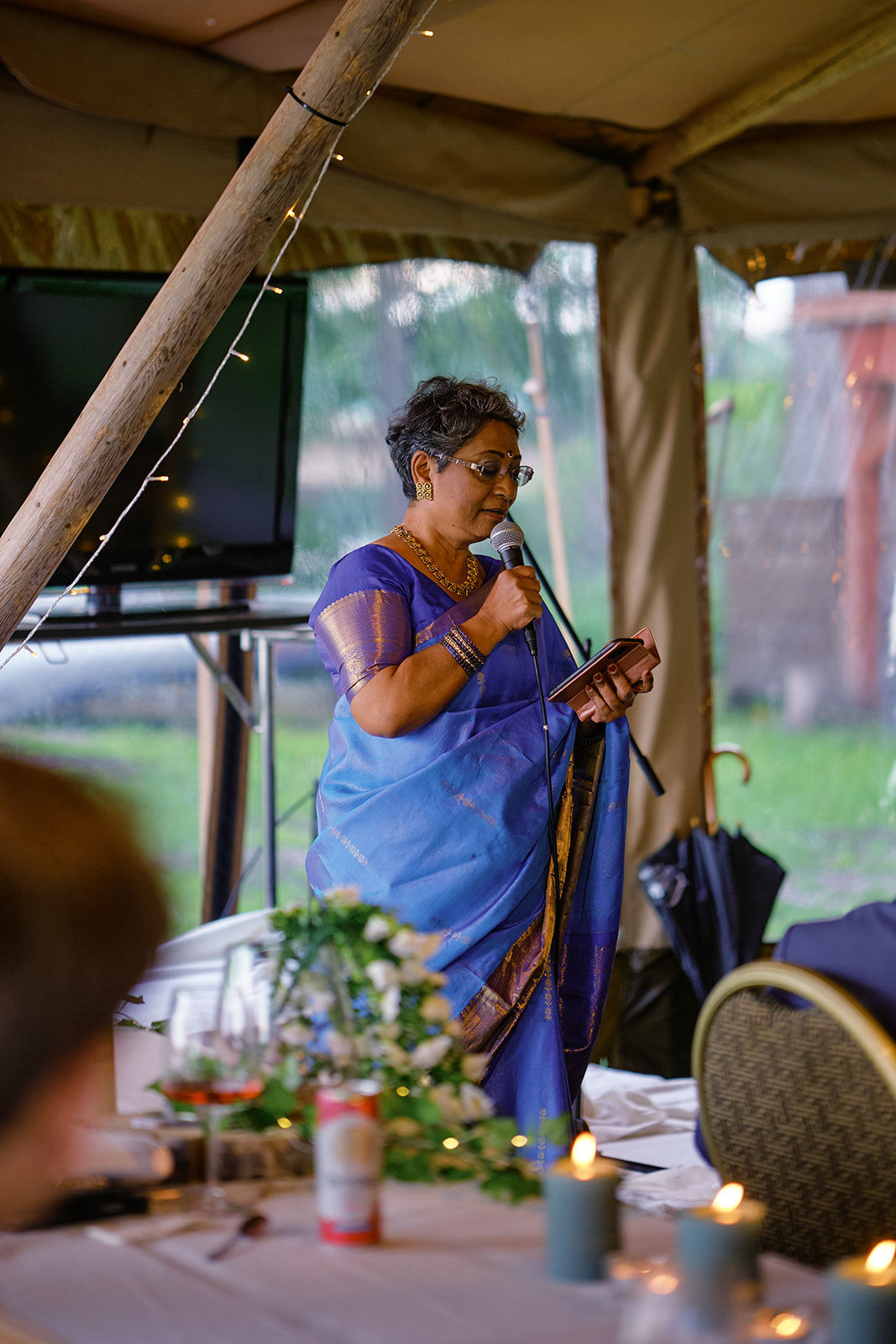
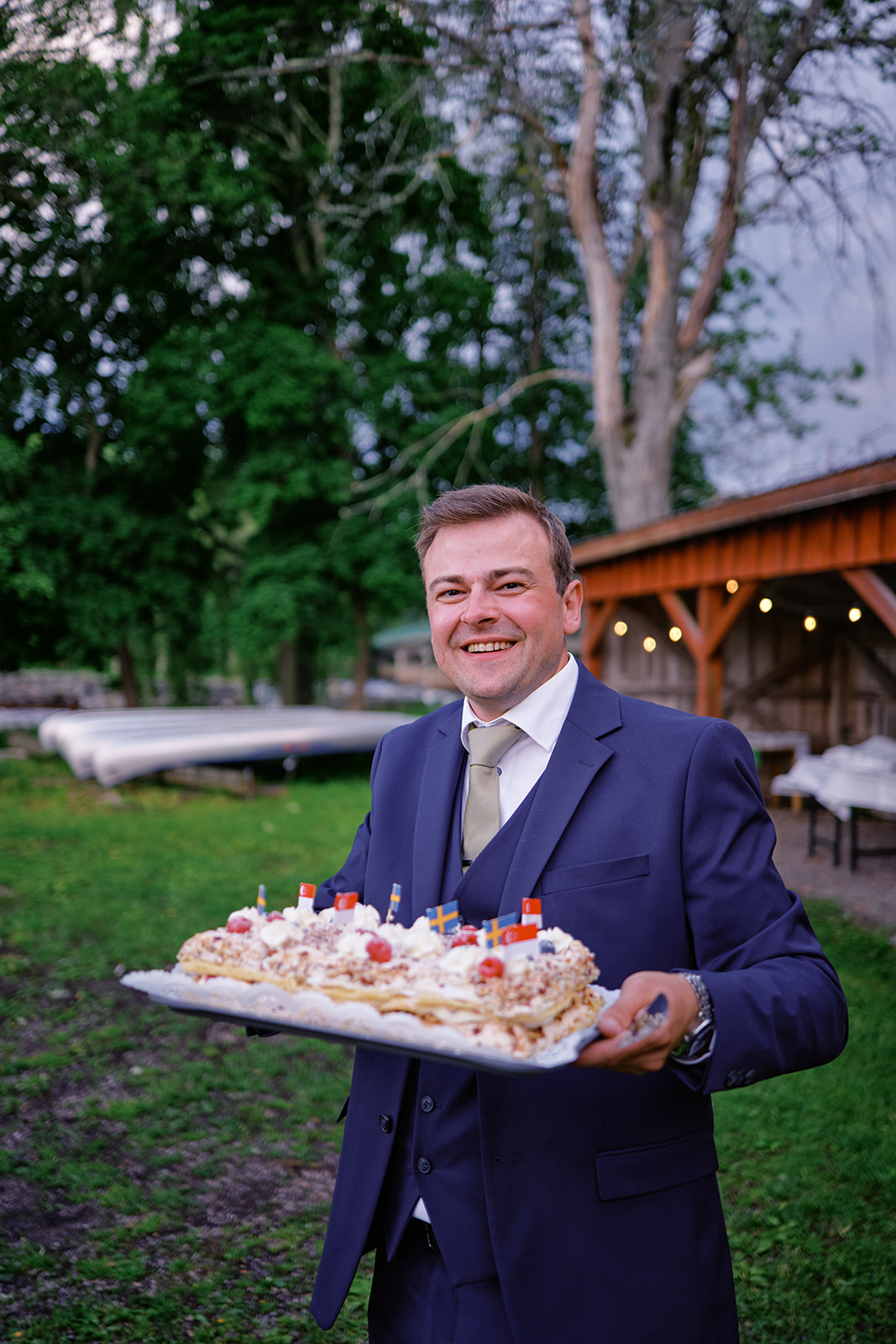
Speeches in more than one language, someone singing, a cake carried the length of the tent. The rain stopped around the time it stopped mattering.
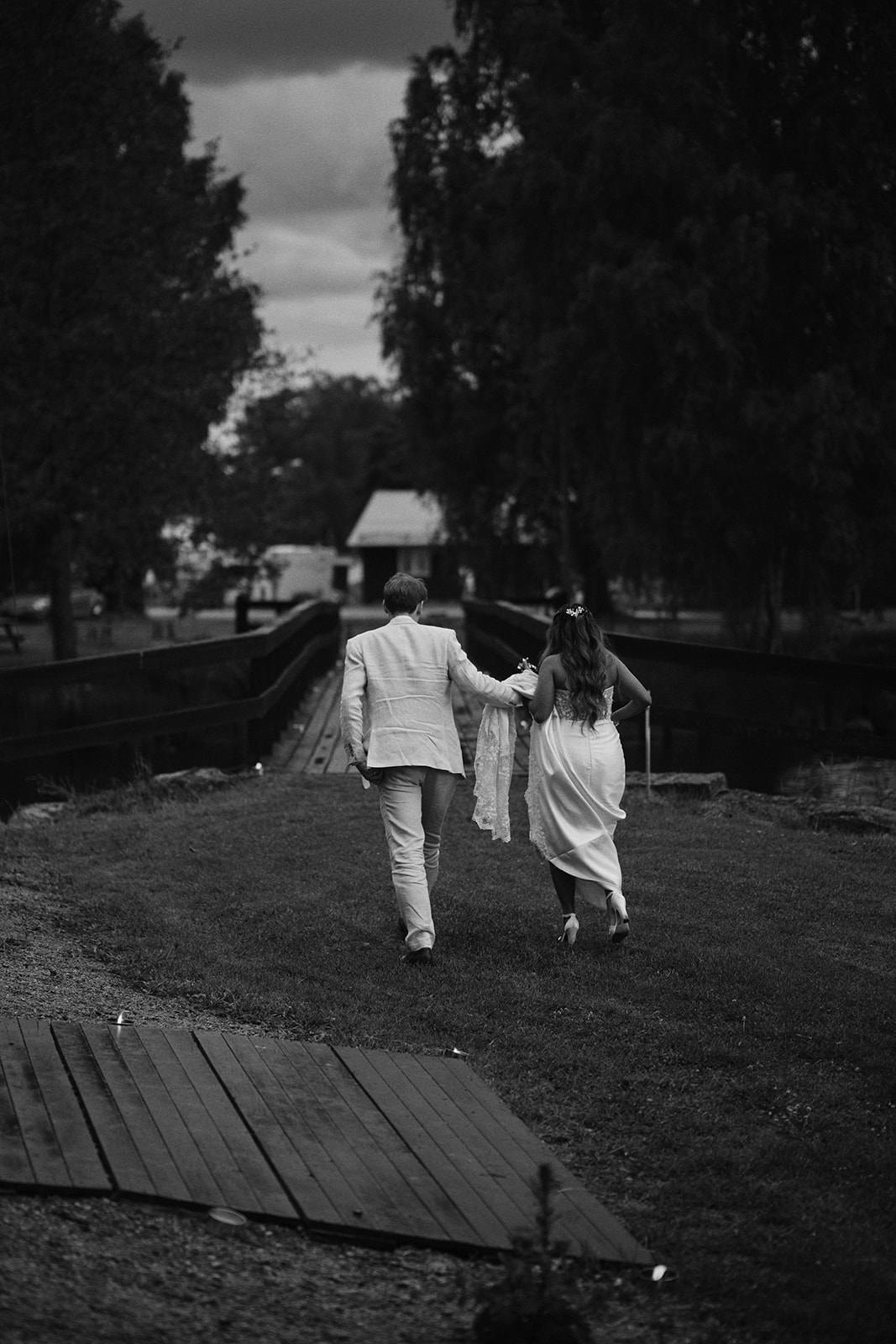
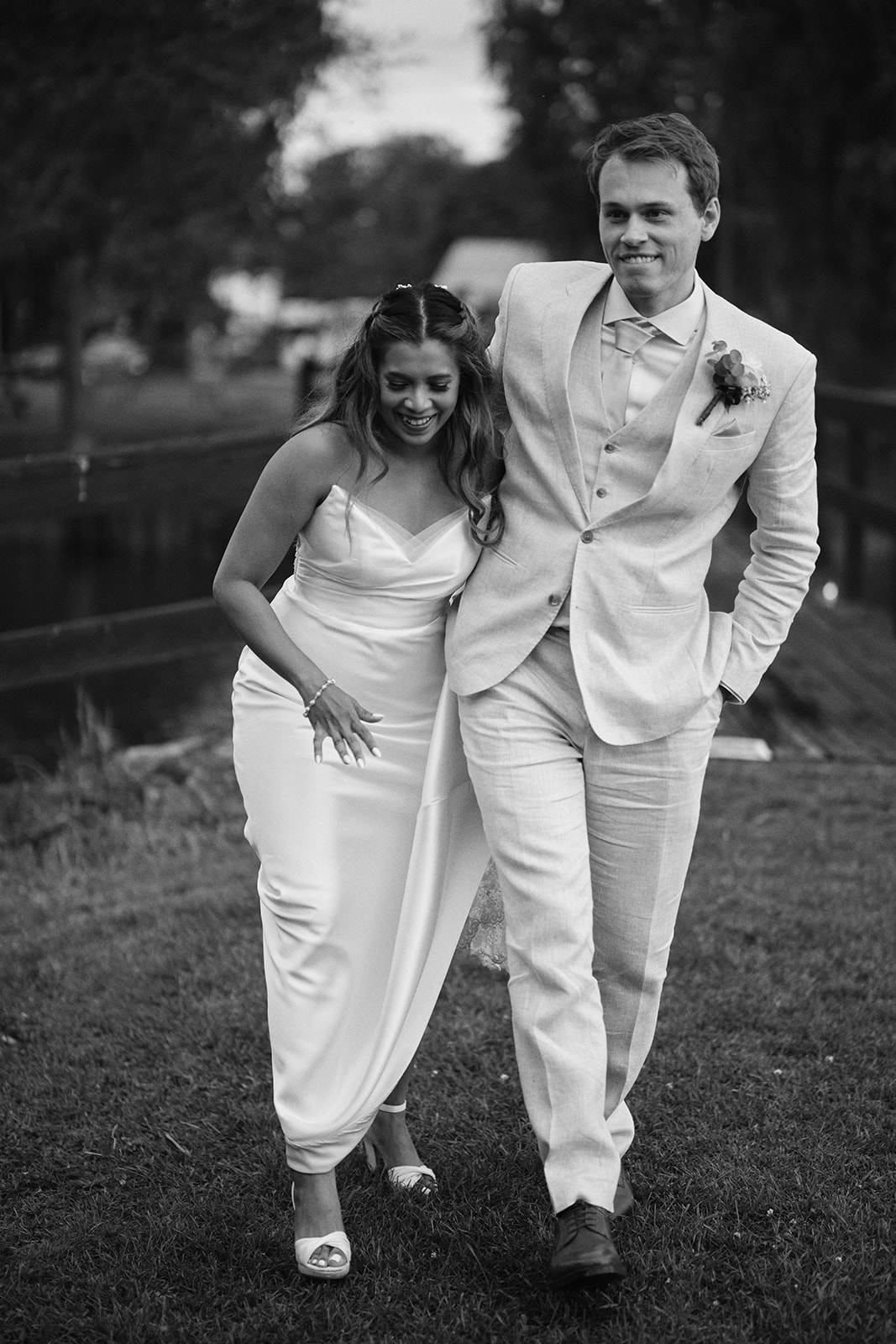
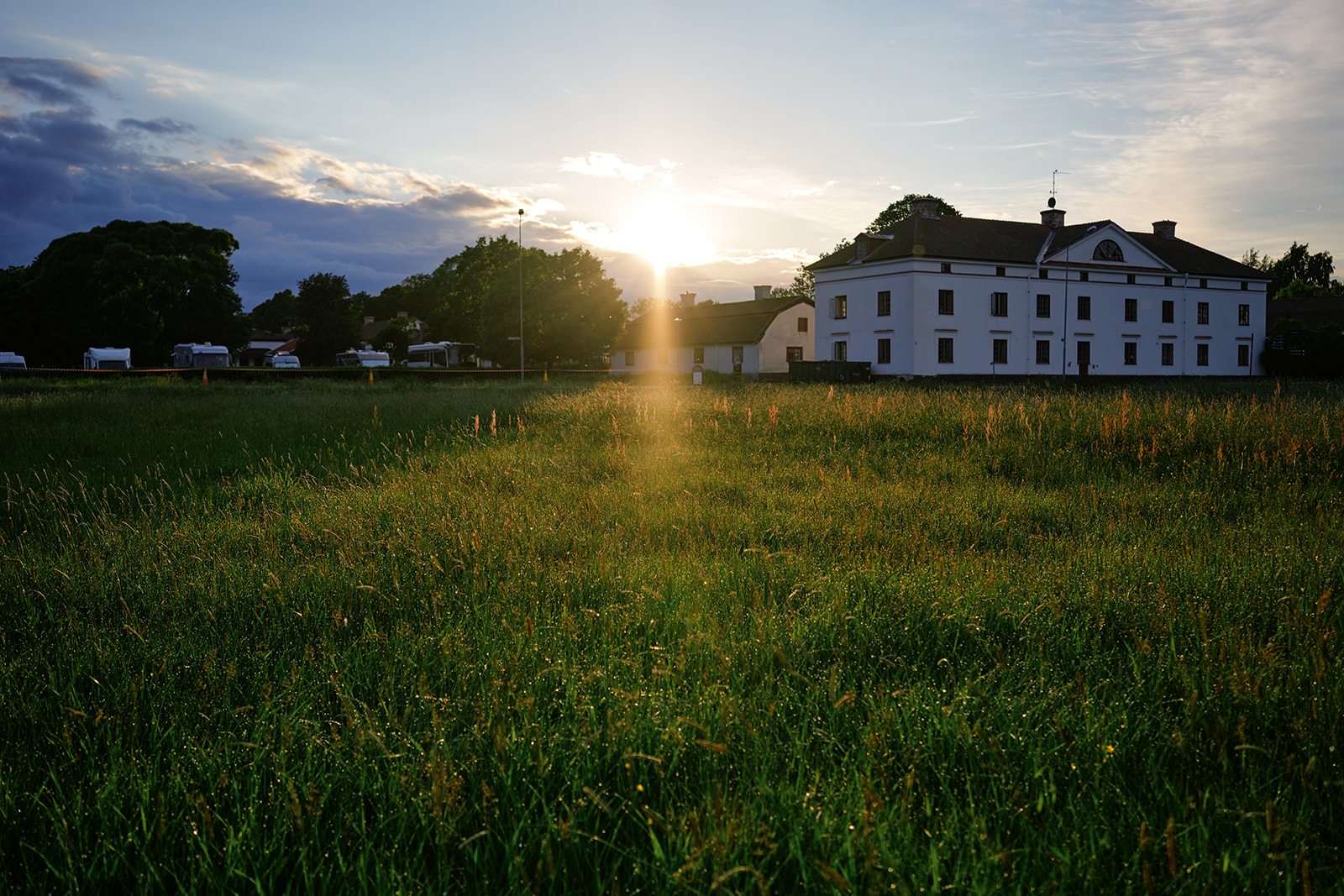
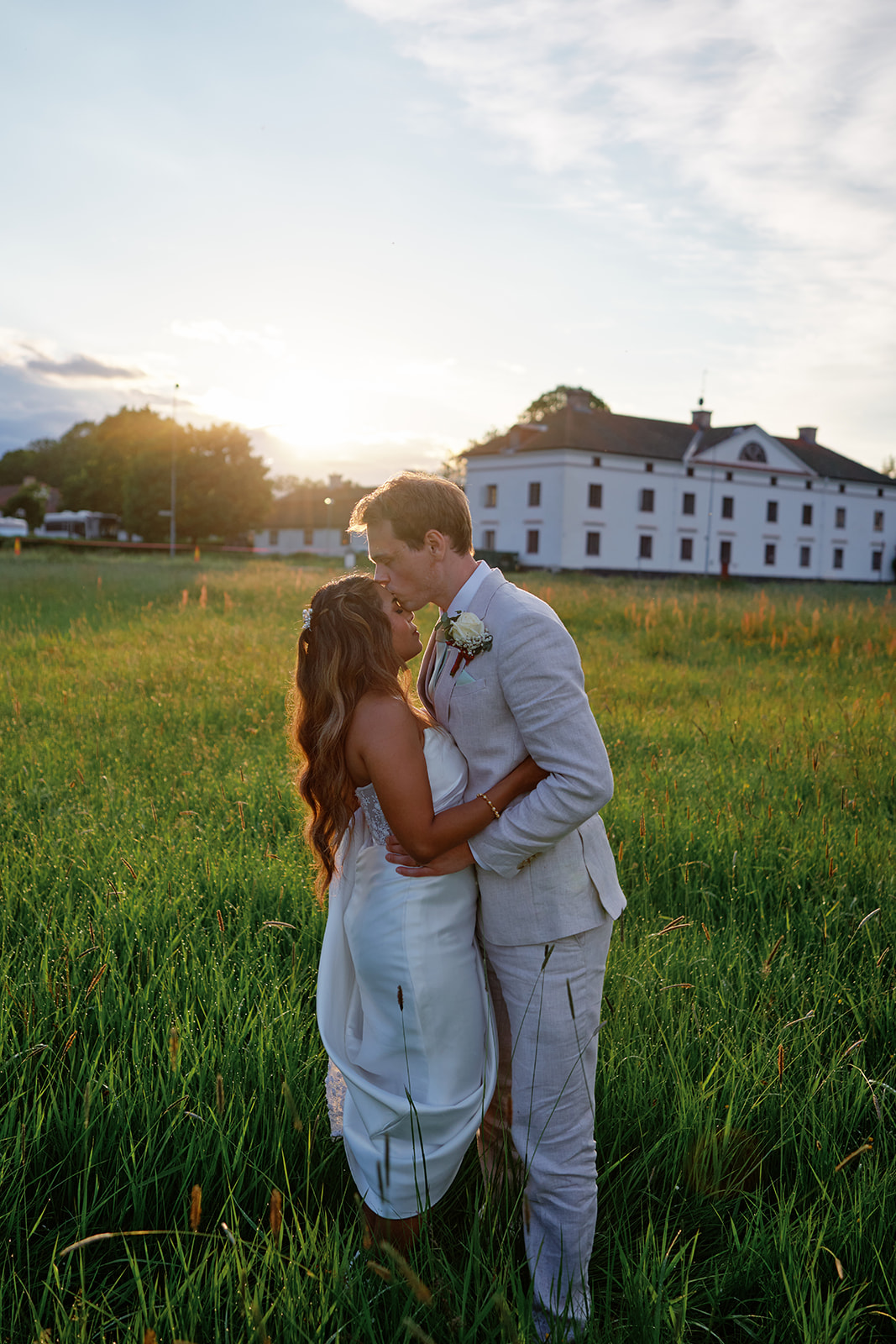
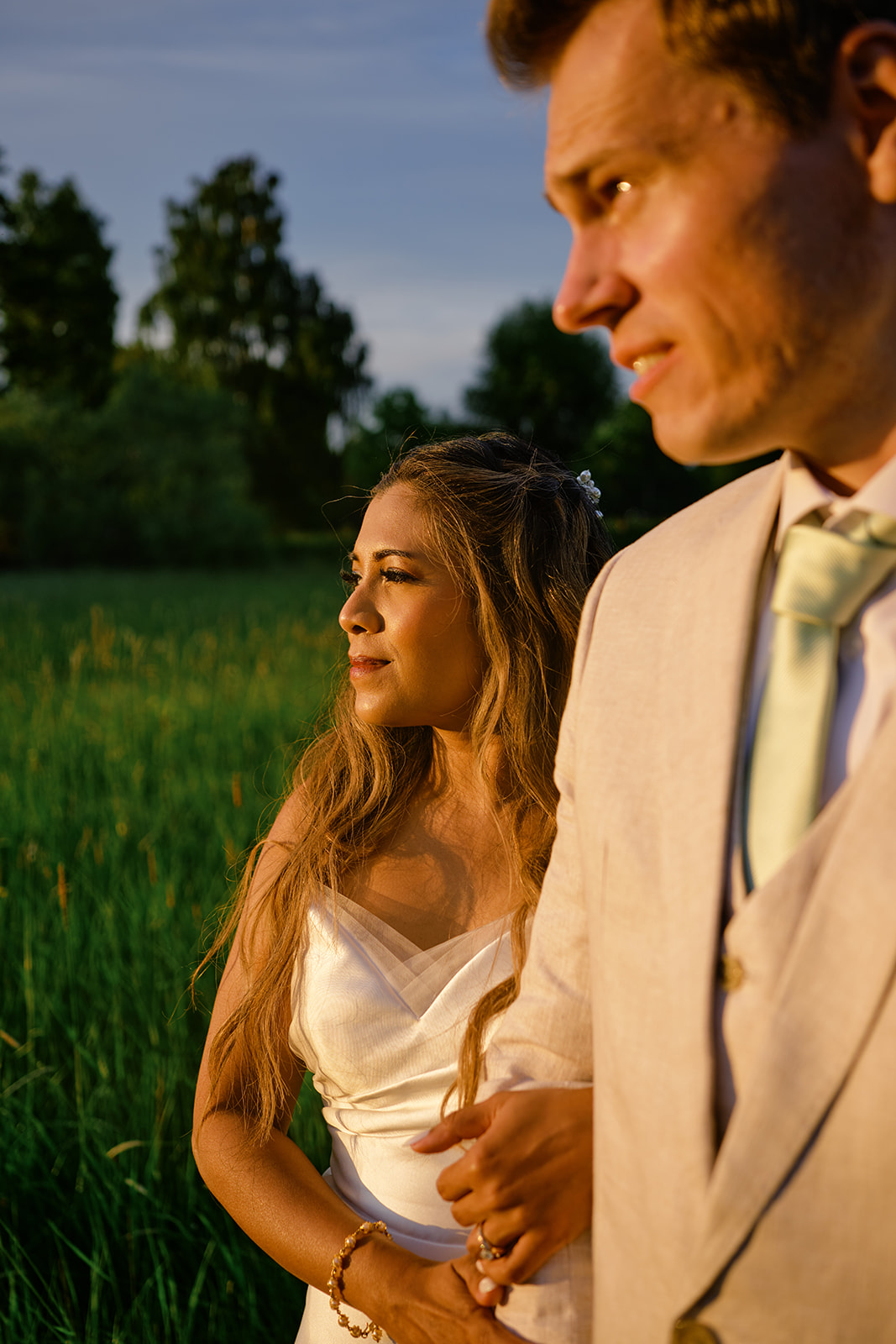
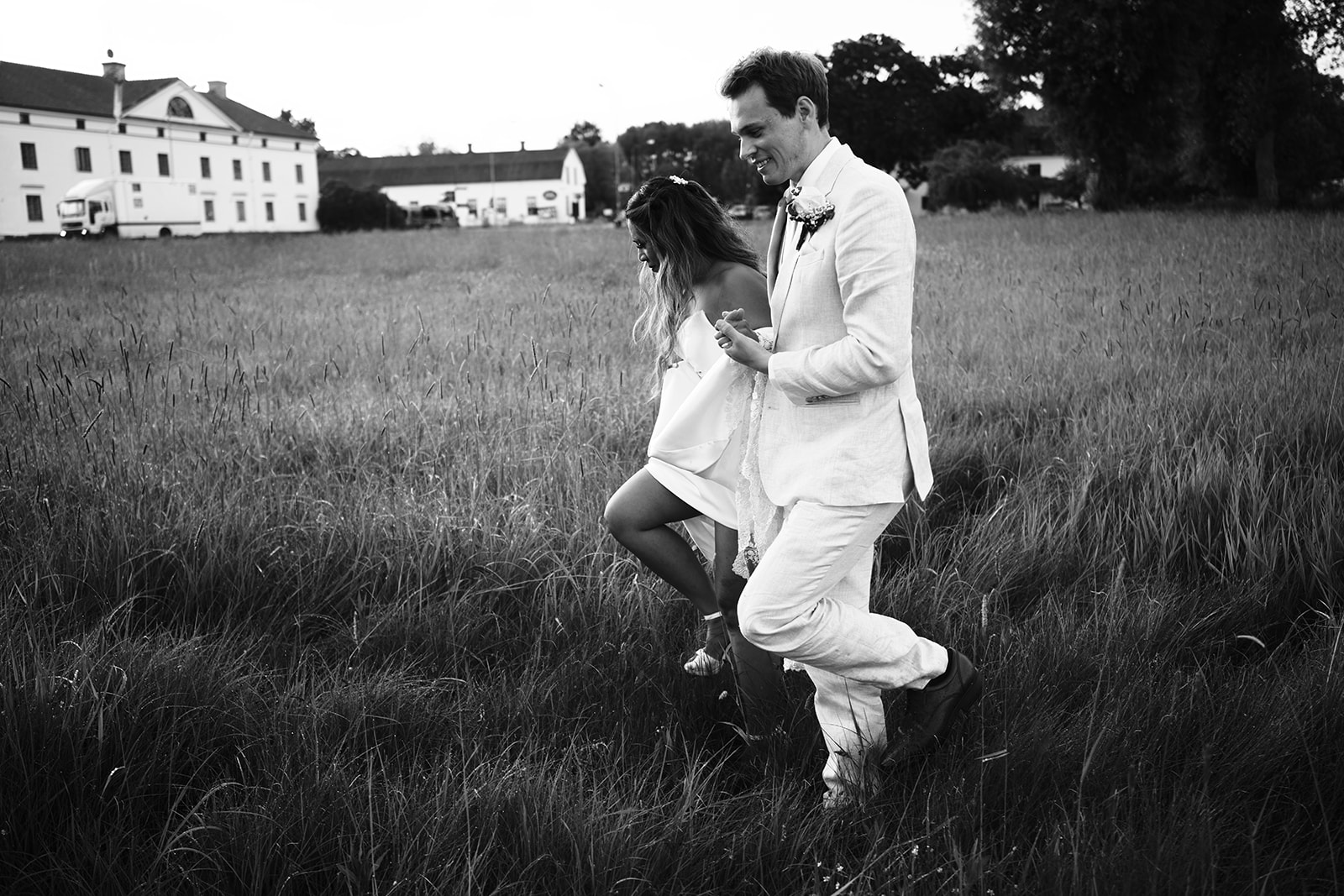
Then the sun came back late in the evening, the way it does up here, and put the manor at the far end of a field of tall grass. That is the compensation for a summer you cannot trust before dinner.
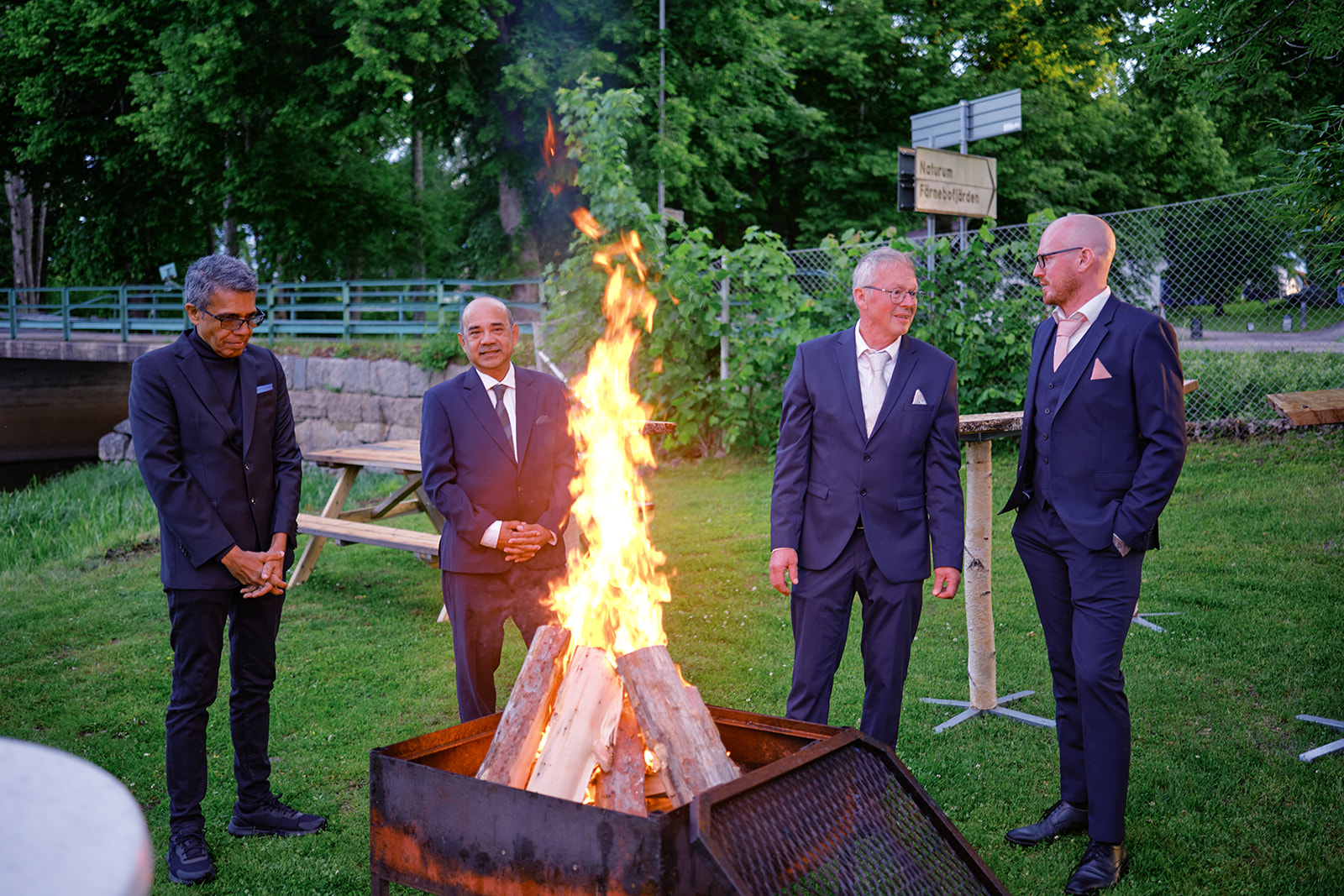
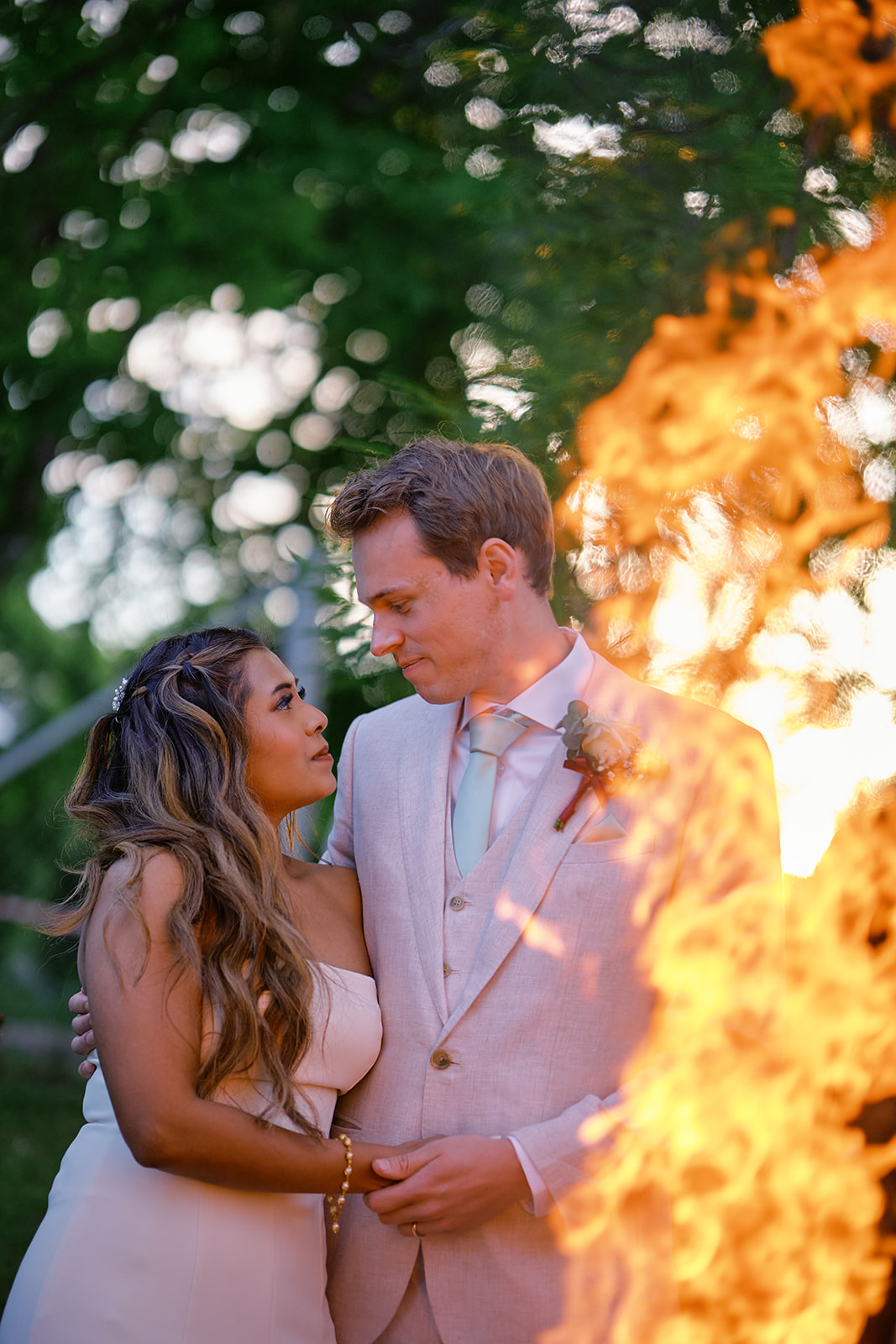
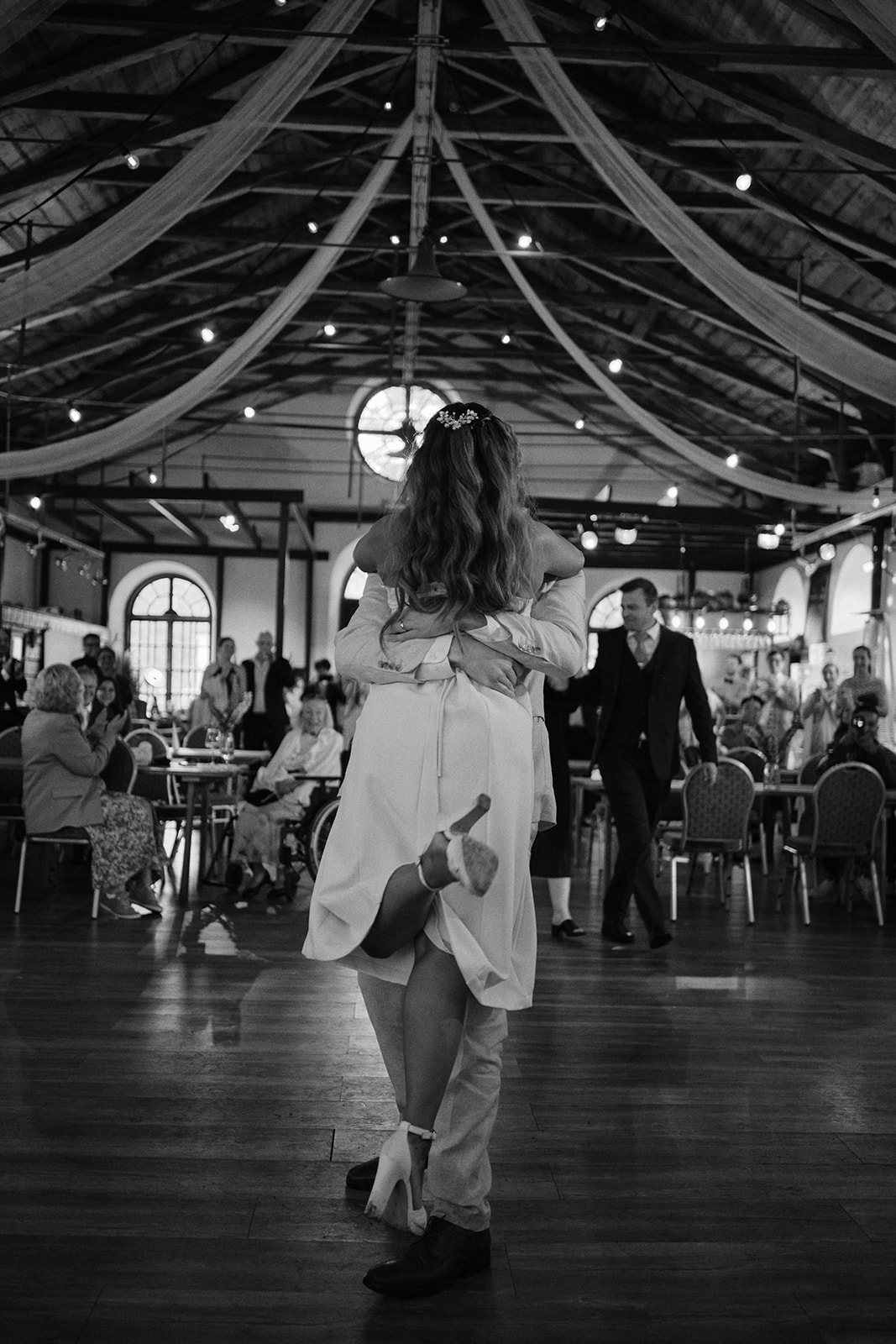
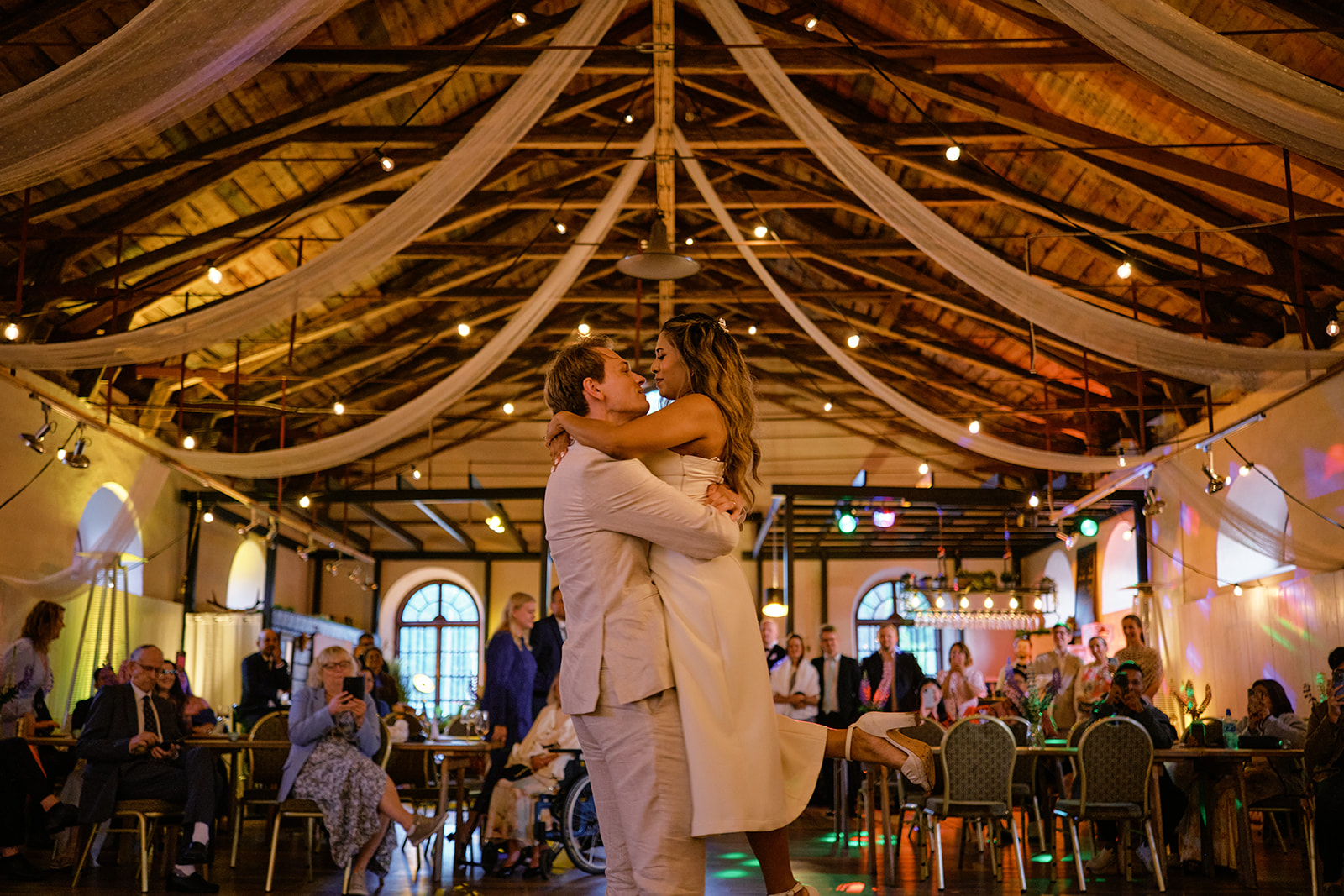
The fire pit came out, and the dancing moved into the ballroom under a wooden ceiling that has been listening to this sort of thing for two centuries.
I had never worked at Gysinge before this, which now seems like an oversight given it is up the road. If you are planning a Gysinge Herrgård bröllop, or a wedding anywhere in this part of Sweden, get in touch. I can be there before the light goes.