Getting Married in Sweden
Sweden is home, so this is the one guide here I write from my own doorstep rather than a suitcase. I have worked up in the Arctic north in the deep cold, in silent forest and on frozen rivers with the light barely clearing the trees, and I know the country the way you only can when you live in it. Couples ask me the same things before they book, so here are my answers.
Most of what pulls couples to Sweden is up in Lapland, the far north inside the Arctic Circle, where winter buries the land in snow and the northern lights come out over it, and where in high summer the sun does not set at all. It is cold and quiet and enormous, and the light is the whole reason to come.
This is a guide to the wild north above all. These are the things I would build it around: the snow and the frozen forest of Swedish Lapland, the carved ice of the ICEHOTEL, and the aurora that hangs over both. This is where I would send you, and what I would tell you before you go.
Swedish Lapland
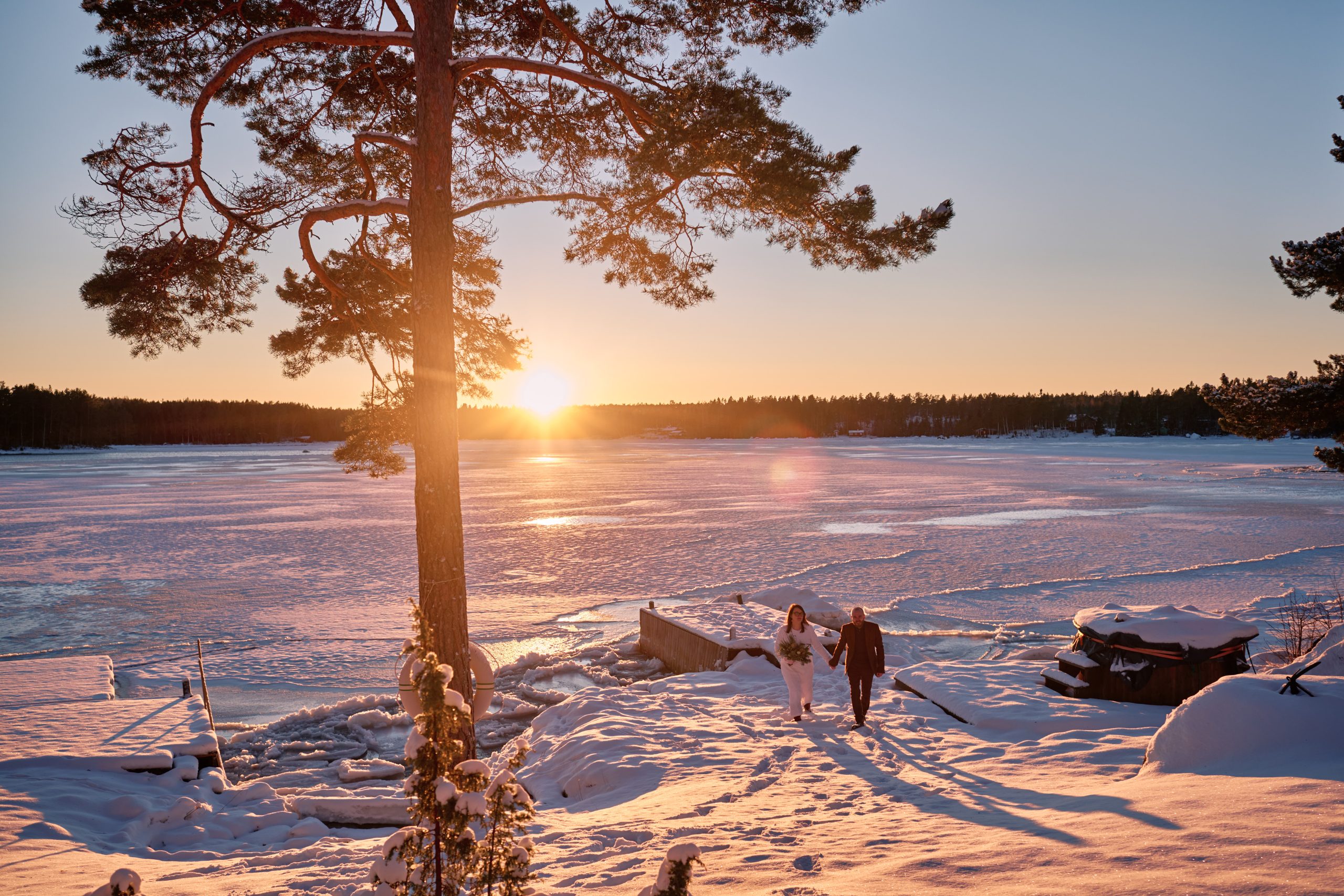
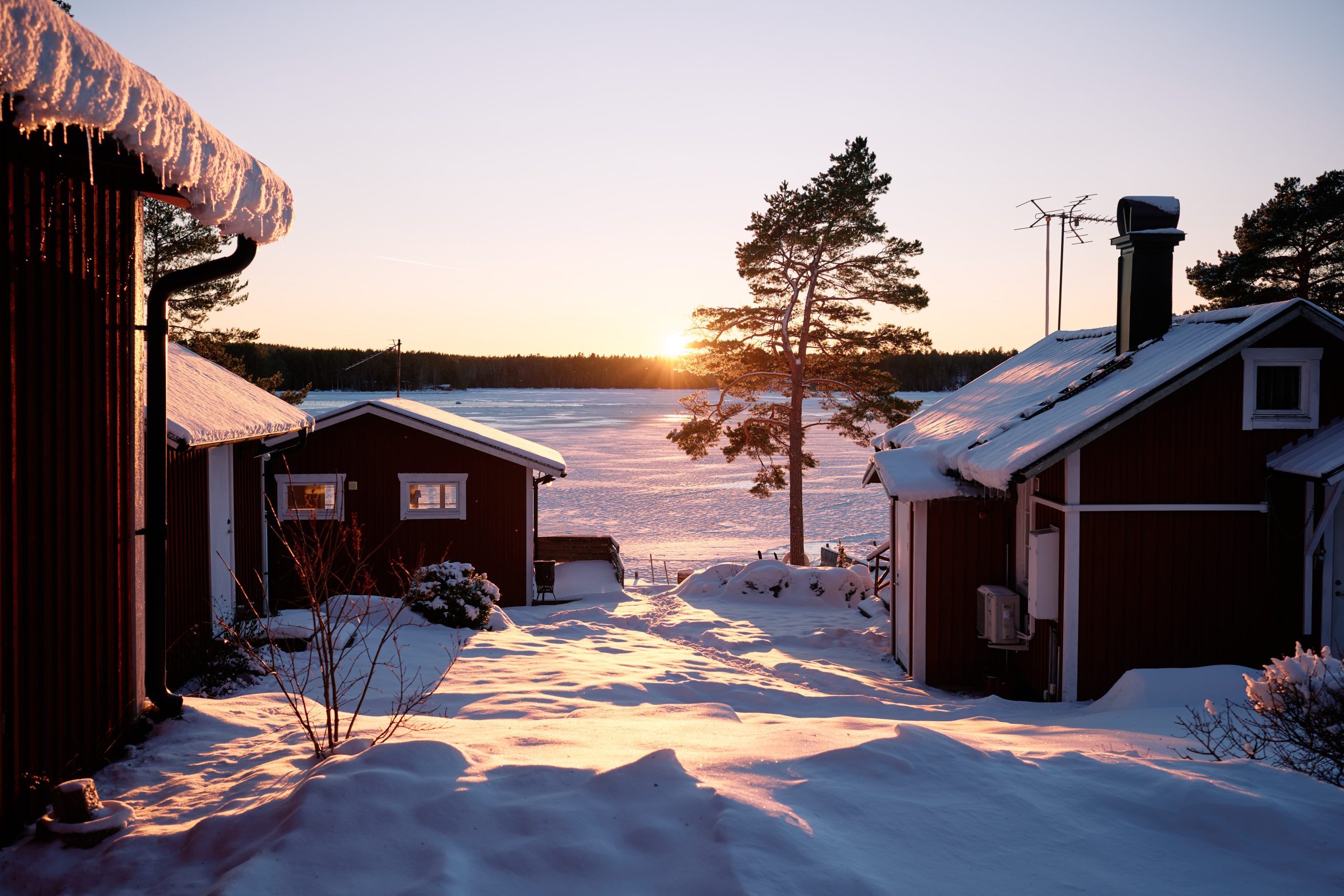
Lapland is the reason most couples come: the Arctic north around Kiruna and Abisko, a land of snow-buried forest, frozen water and reindeer, sitting right under the aurora oval. In deep winter, from December to March, it is properly cold and the days are short, which is exactly what gives you the long blue twilight and the dark nights for the lights. You can see a whole day of it in the cold in Sam and Rob's elopement.
The ICEHOTEL
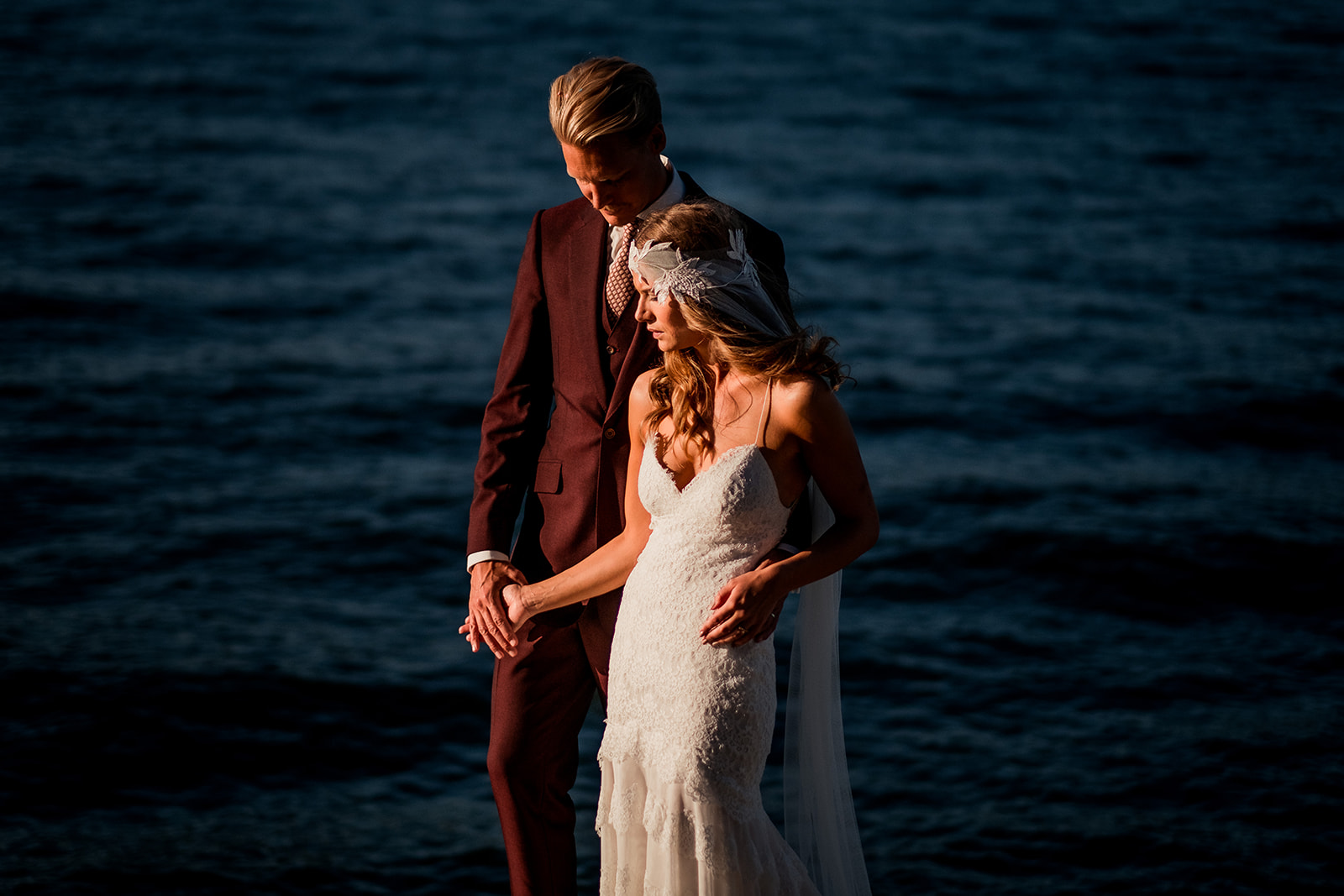
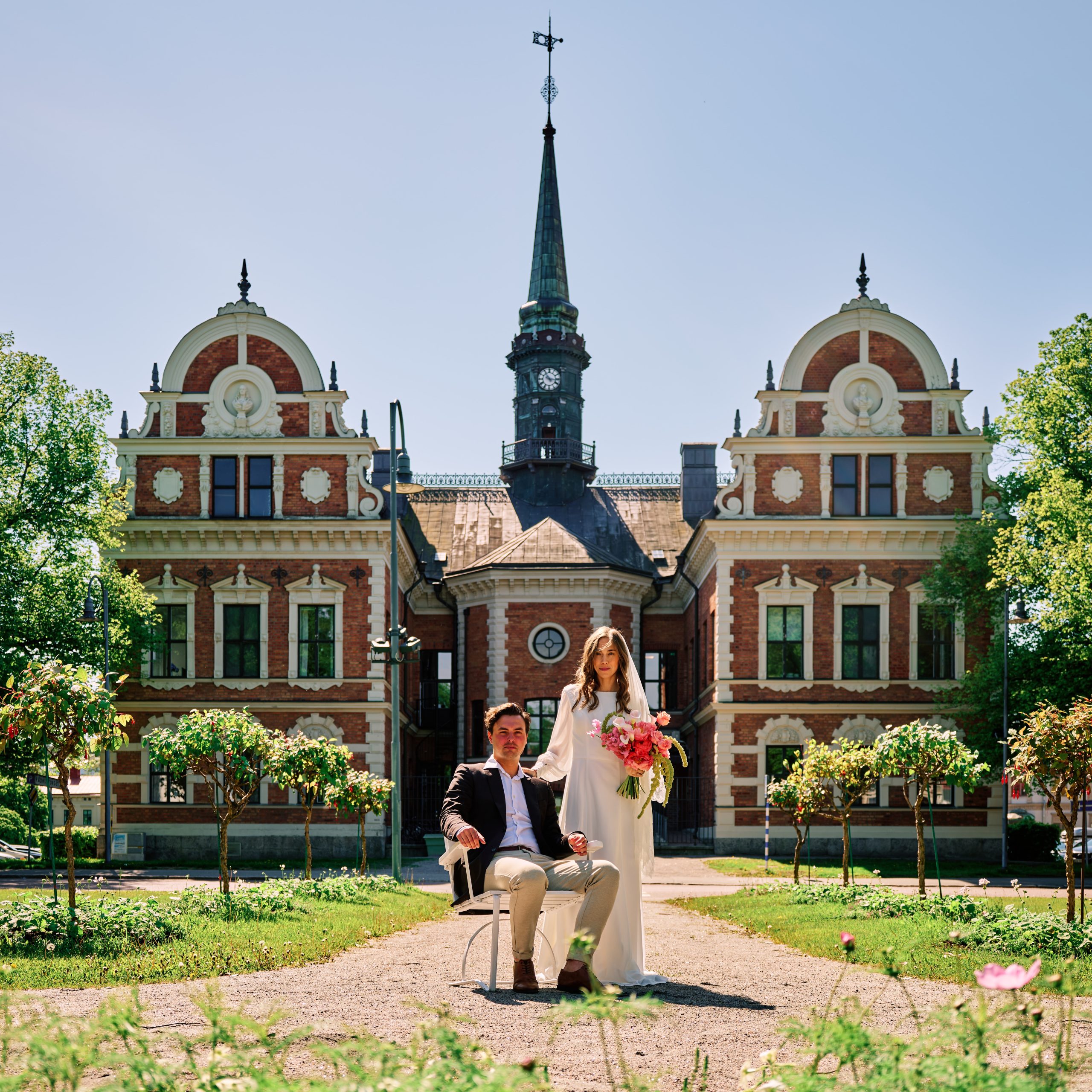
Near Kiruna, in the village of Jukkasjärvi, the ICEHOTEL is rebuilt every winter from ice harvested off the Torne river, its suites carved into art and lit blue, with a permanent year-round version alongside. It sits deep inside aurora country with almost no light pollution, and it is about the most singular place I can think of to say your vows: you can marry in an ice chapel and sleep on a bed of ice the same night. It is a real Arctic experience rather than a warm one, and that is the appeal.
The aurora
The aurora season runs roughly from late August to early April, and it needs two things at once, darkness and a clear sky. Abisko is famous for a gap in the mountains that keeps its skies clear when everywhere else clouds over, and its Aurora Sky Station is one of the best places on earth to watch. I would never build a wedding around the lights alone, because they cannot be guaranteed, but I would build it around the snow and the silence, and treat the green sky as the gift it is when it comes.
The Gothenburg archipelago
Gothenburg is the practical door to it. Direct flights from most of Europe, under four hours by train from Copenhagen, and a coastline that begins more or less where the city stops. North of the city is Bohuslän proper: Marstrand under its fortress, Smögen, Fjällbacka, red wooden houses on bare stone. South of the city the rock breaks into low islands and shallow bays, and that is where the bathhouses are.
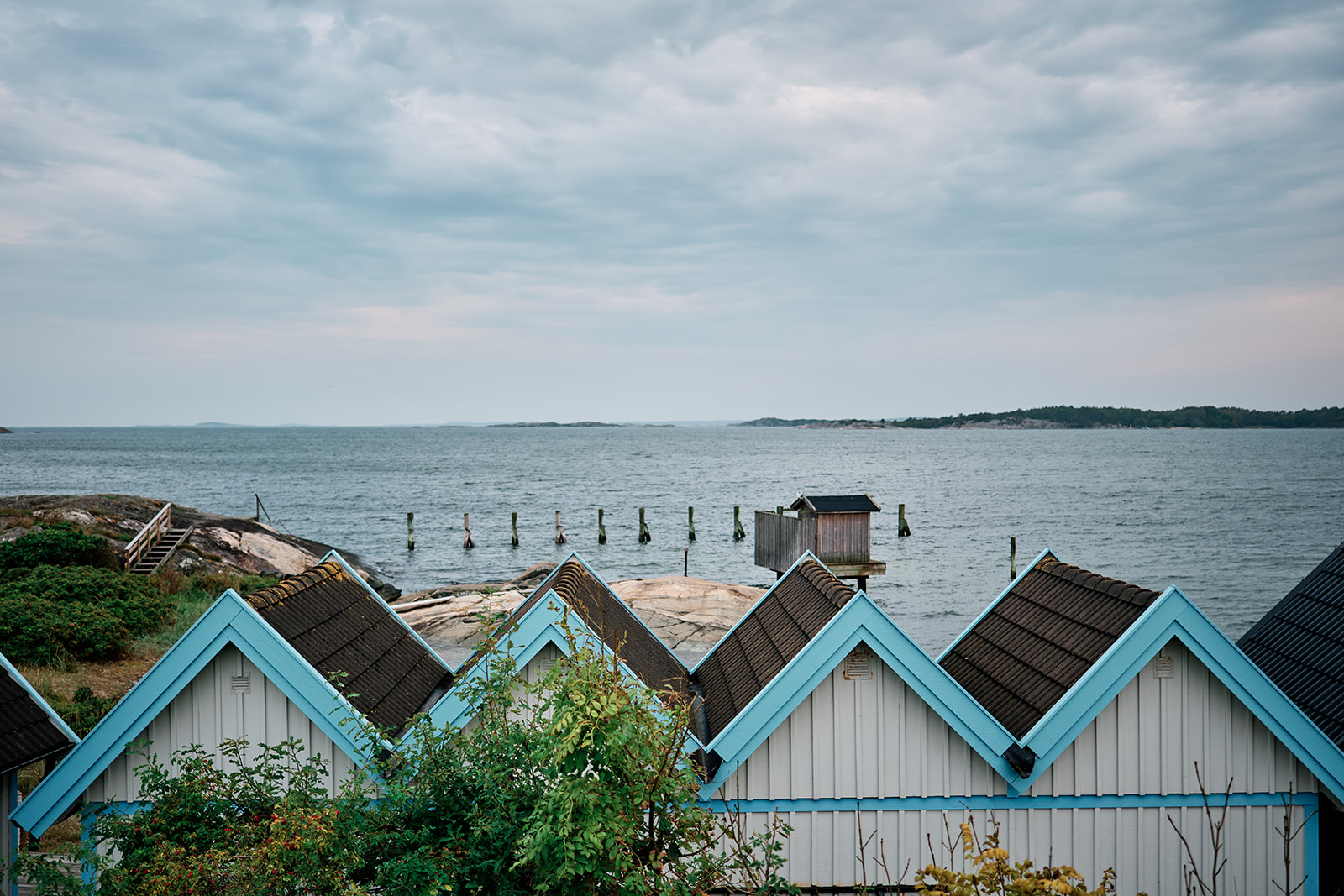
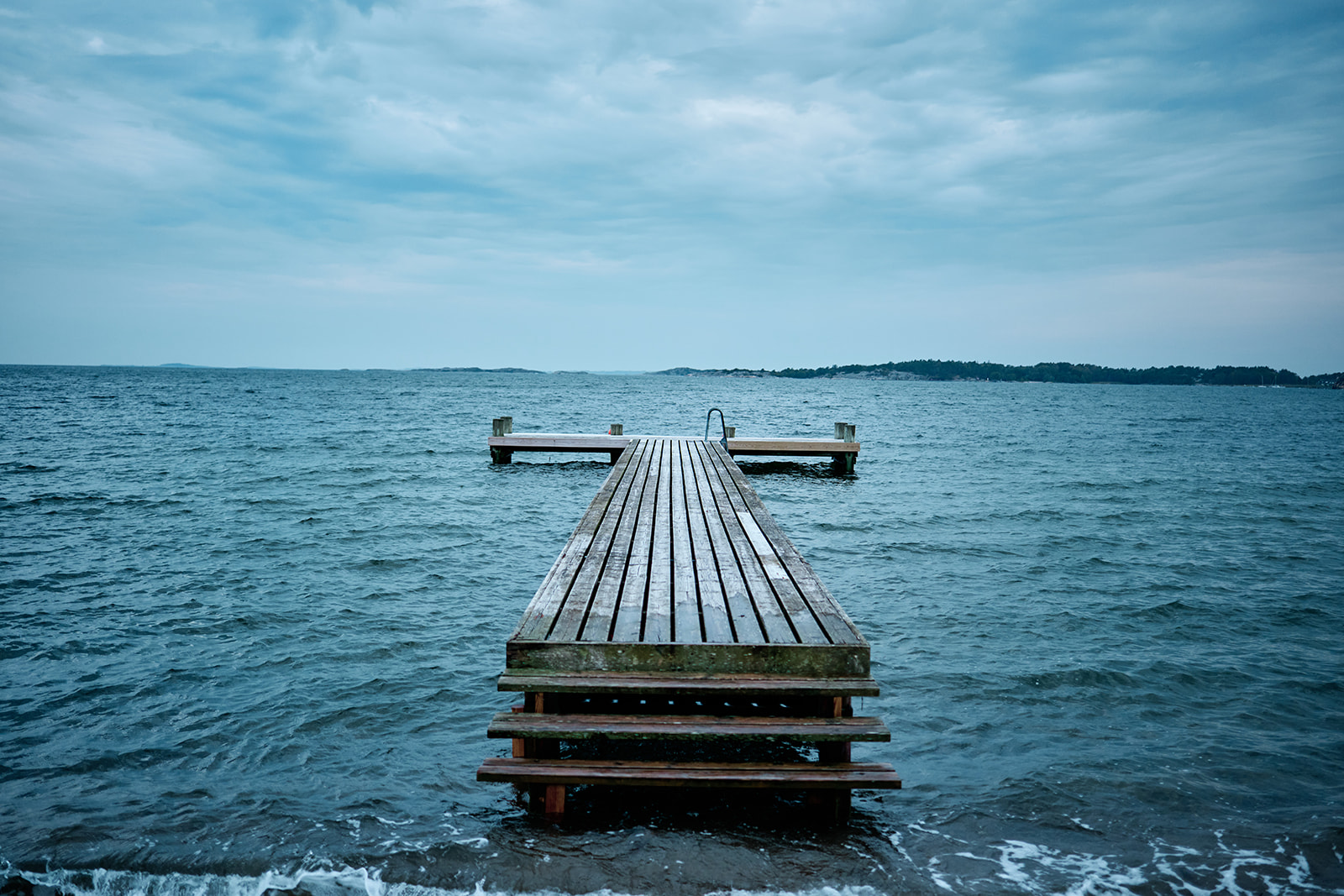
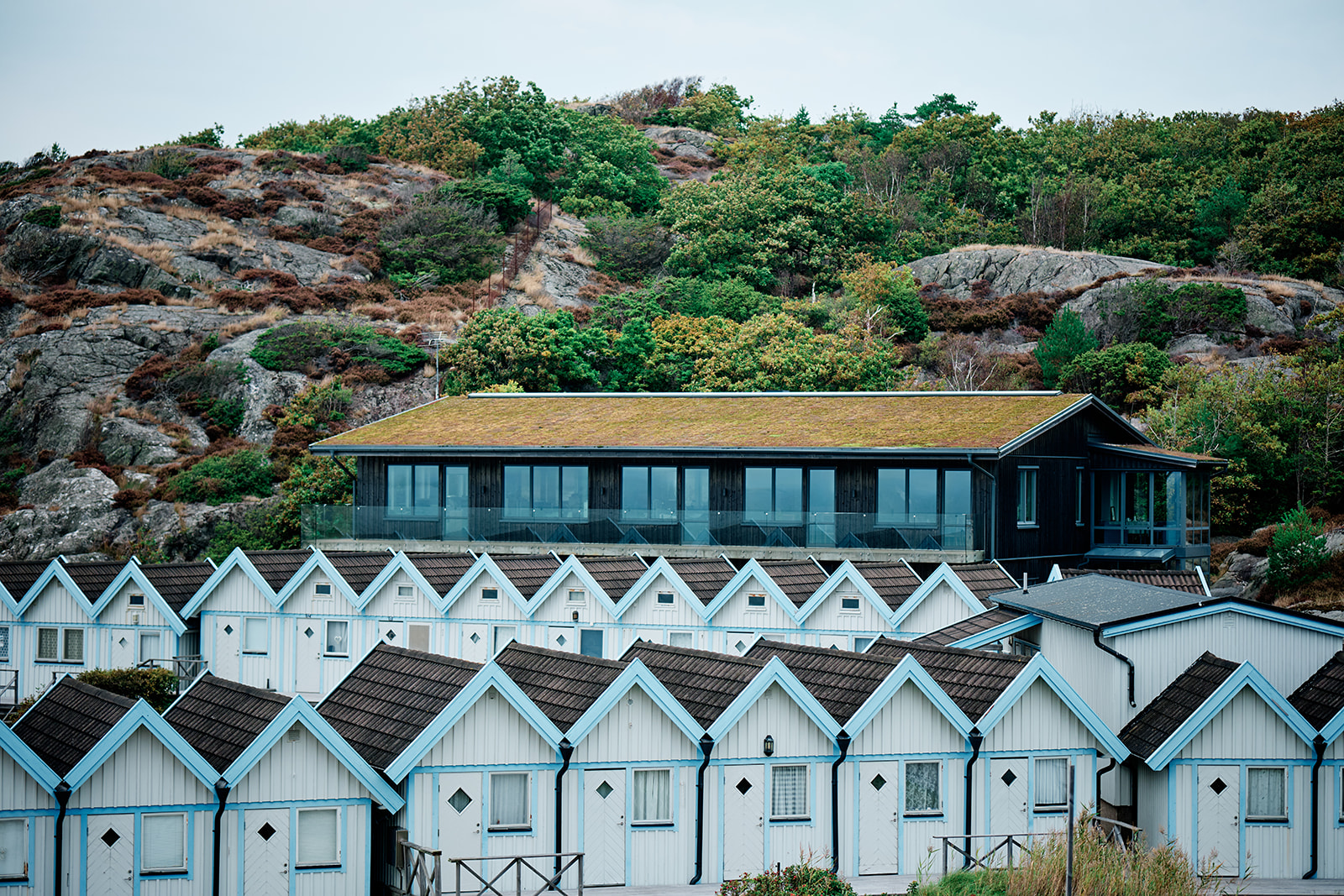
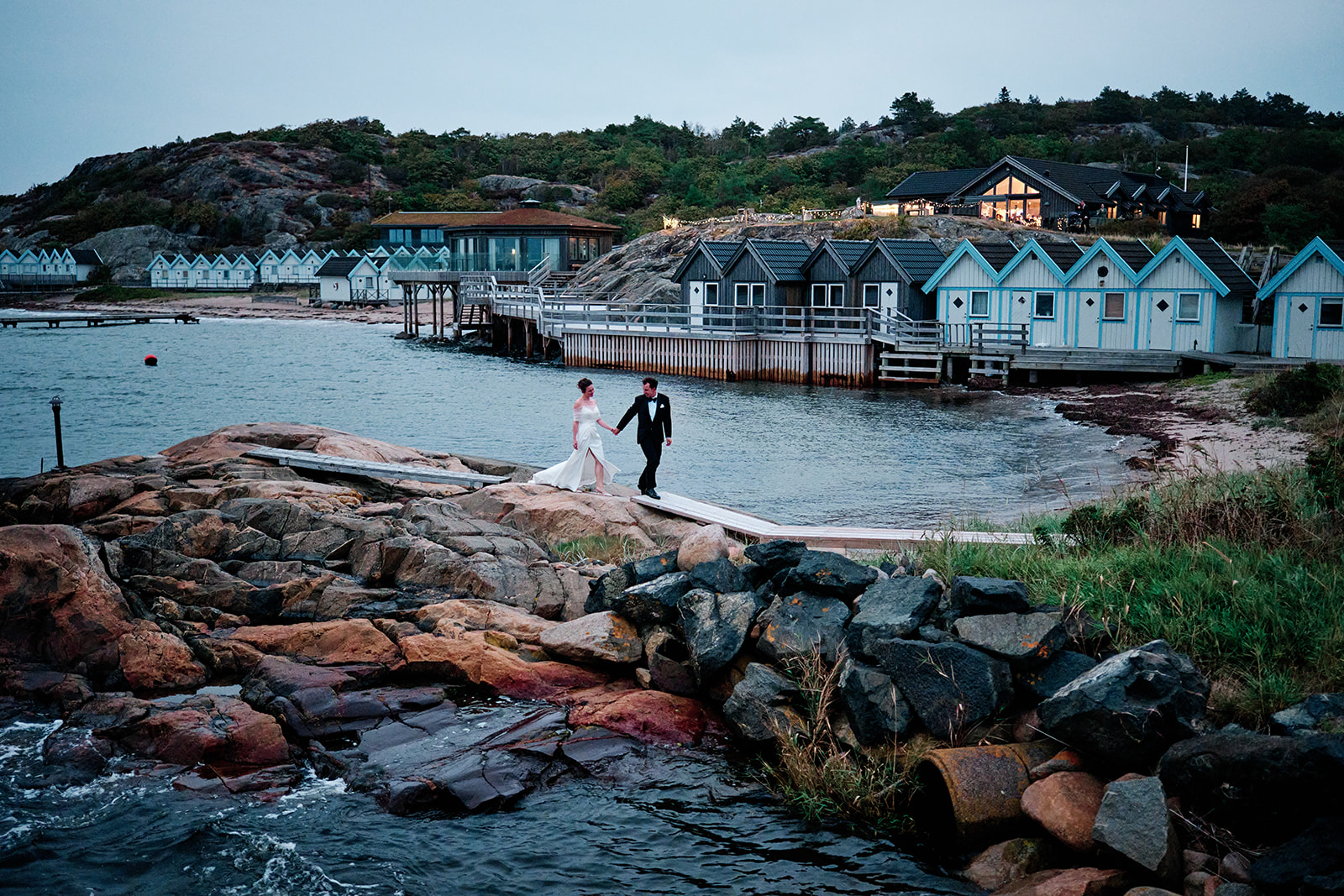
Hovås Kallbadhus stands fifteen minutes south of the centre, a cold bathhouse and restaurant out over the water with a row of pale blue changing cabins running down the pier. It seats around 150 for dinner and takes about 160 standing, with a smaller private room called Përlan by the Sea hung out above the sea, and a chambre séparée for anything under roughly twenty. The beach can be hired with a tent if the building is not big enough. Viktoria and Paul married at Släps kyrka in Särö, twenty minutes further down the coast, and came here for the evening.
If you are marrying out here, plan the day around the end of it. In late September the sun goes down around half past seven and the granite turns properly pink for about twenty minutes before it does. Ask your venue for a gap between courses rather than a block of portrait time at the start. Ten minutes on the rocks in that light is worth an hour at two in the afternoon.
The lower Dalälven
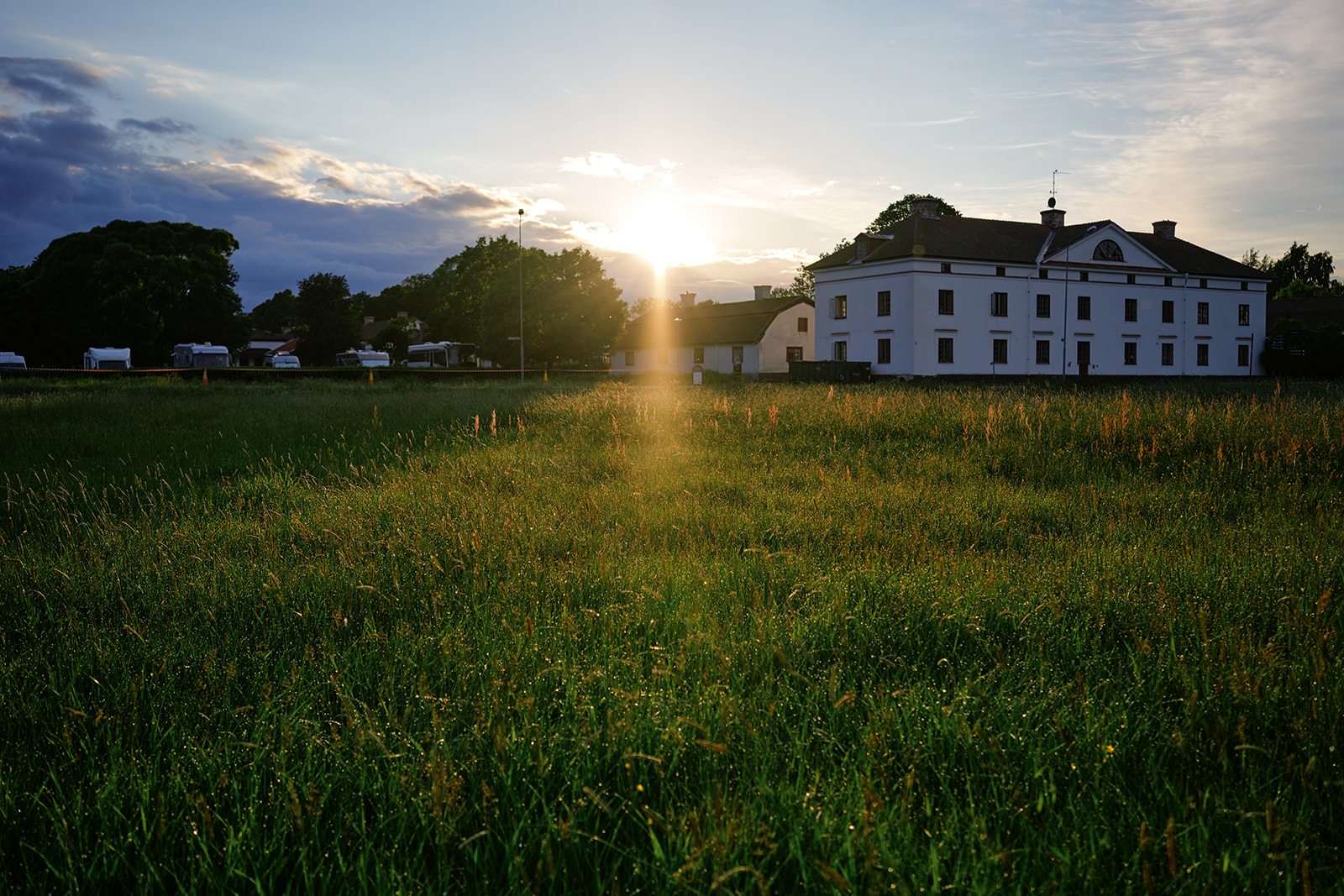
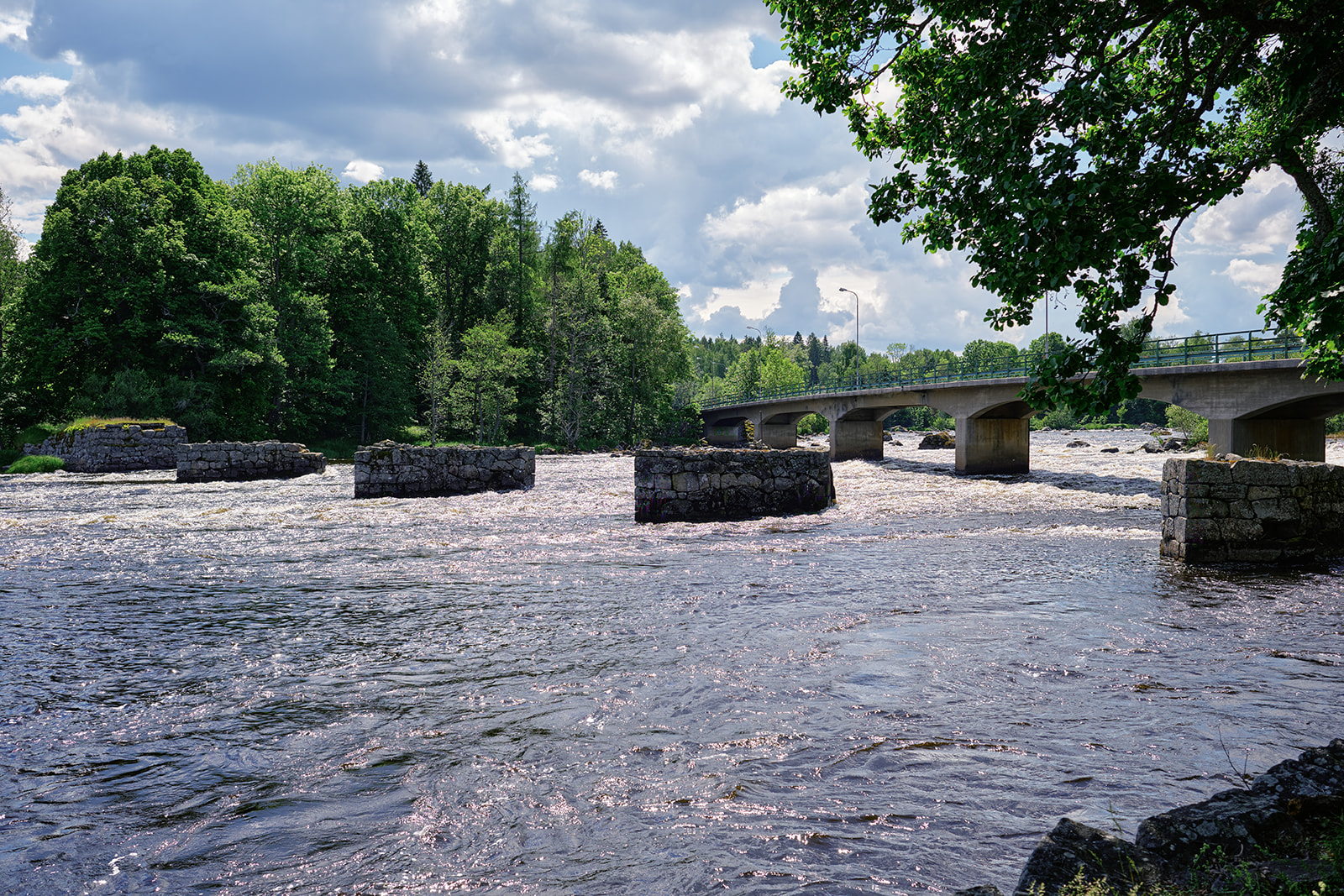
The lower Dalälven runs west to east across the middle of the country, and in the 1600s and 1700s its rapids powered a chain of ironworks. The villages built around them survived: workers’ cottages, stone stores, millraces, and in a few cases a manor house for the owner. The belt sits roughly an hour north of Uppsala and two hours from Stockholm, close enough for guests to reach and far enough out that you will not be sharing it with anybody.
Gysinge Herrgård is the one I know best. The works were founded on the rapids in 1668 because the water could turn a hammer and the forest could feed a furnace, Walloon smiths came north to run it, and by the early 1800s it was among the largest ironworks in the country. The manor dates from then. Ceremonies happen outdoors by the river, in the park by the Orangerie, or inside Borgarn when the weather refuses. Pavi and Edvin married by the water under a round arch.
The detail that matters most for an international guest list: the manor sleeps 107, and there is a restaurant and a café on site. If half your family is flying in from another continent, putting everybody in the same buildings for three days solves more problems than any view will.
Skåne
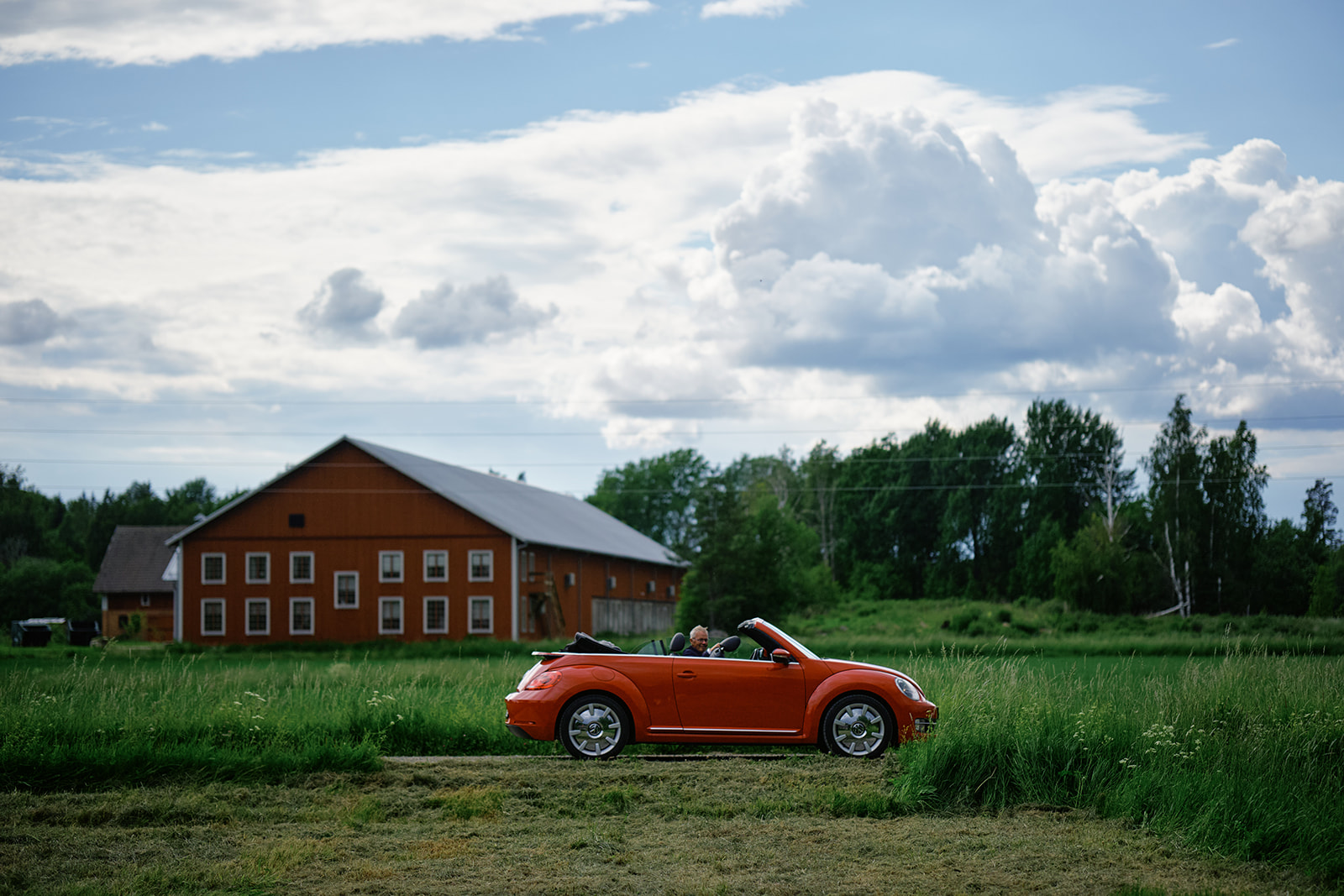
Fly into Copenhagen rather than anywhere in Sweden. The train from the airport crosses the Öresund Bridge and reaches Malmö in twenty two minutes, running every twenty minutes through the day. For guests coming from the rest of Europe this is usually the shortest journey to any Swedish wedding, and it is worth saying out loud on an invitation, because people assume Sweden means a long haul to Stockholm and a connecting flight.
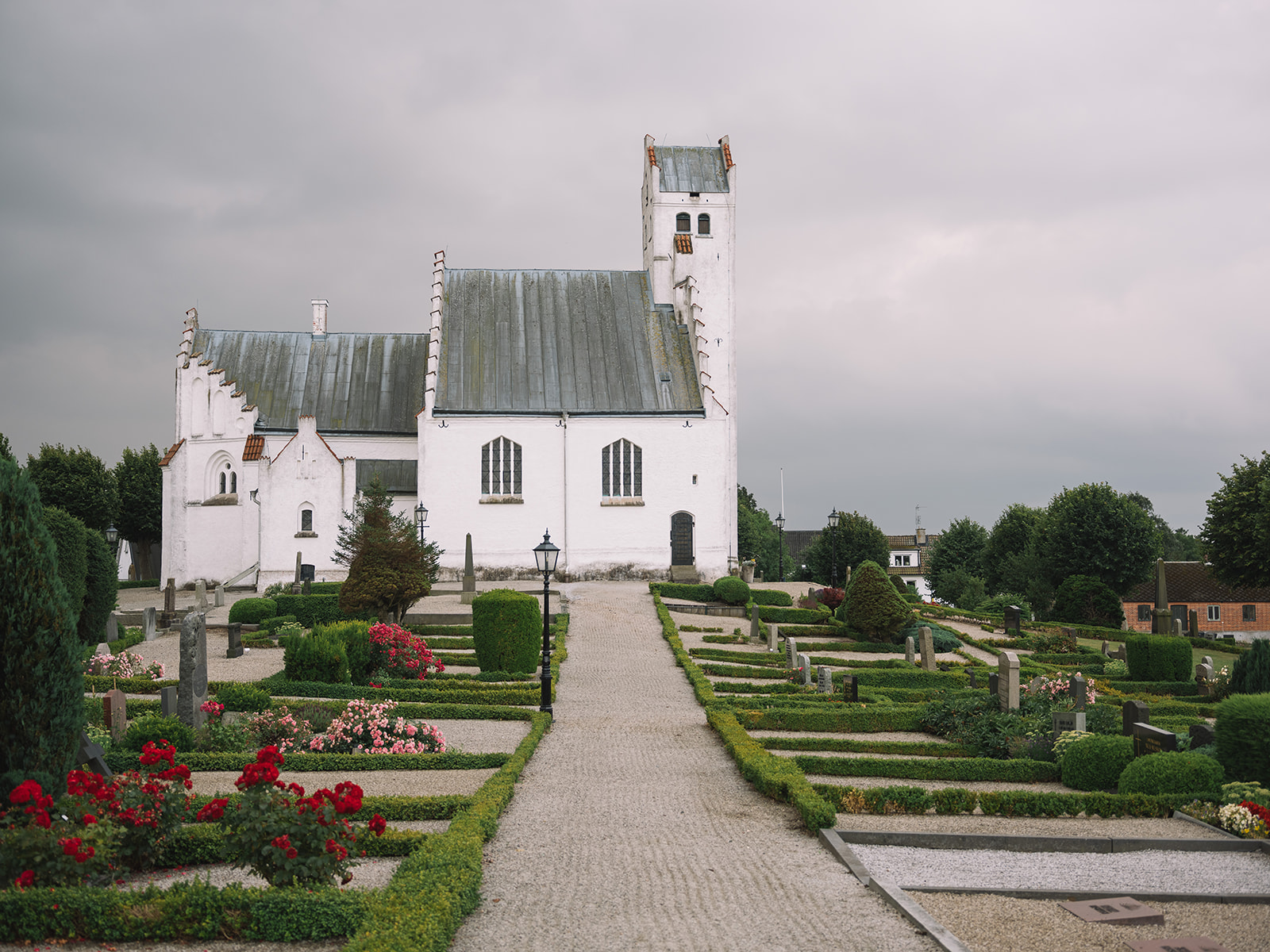
Skåne belonged to Denmark until 1658 and the building stock still shows it. There are medieval churches scattered across the farmland at a density the rest of the country cannot match, many of them far grander than the villages around them. Alice and Marcus married at Fru Alstads kyrka south of Malmö, a Gothic church on the highest ground in Skytts härad that was paid for by pilgrims coming to a holy spring in the Middle Ages. It seats far more than the nineteen people who turned up, which is true of most of them.
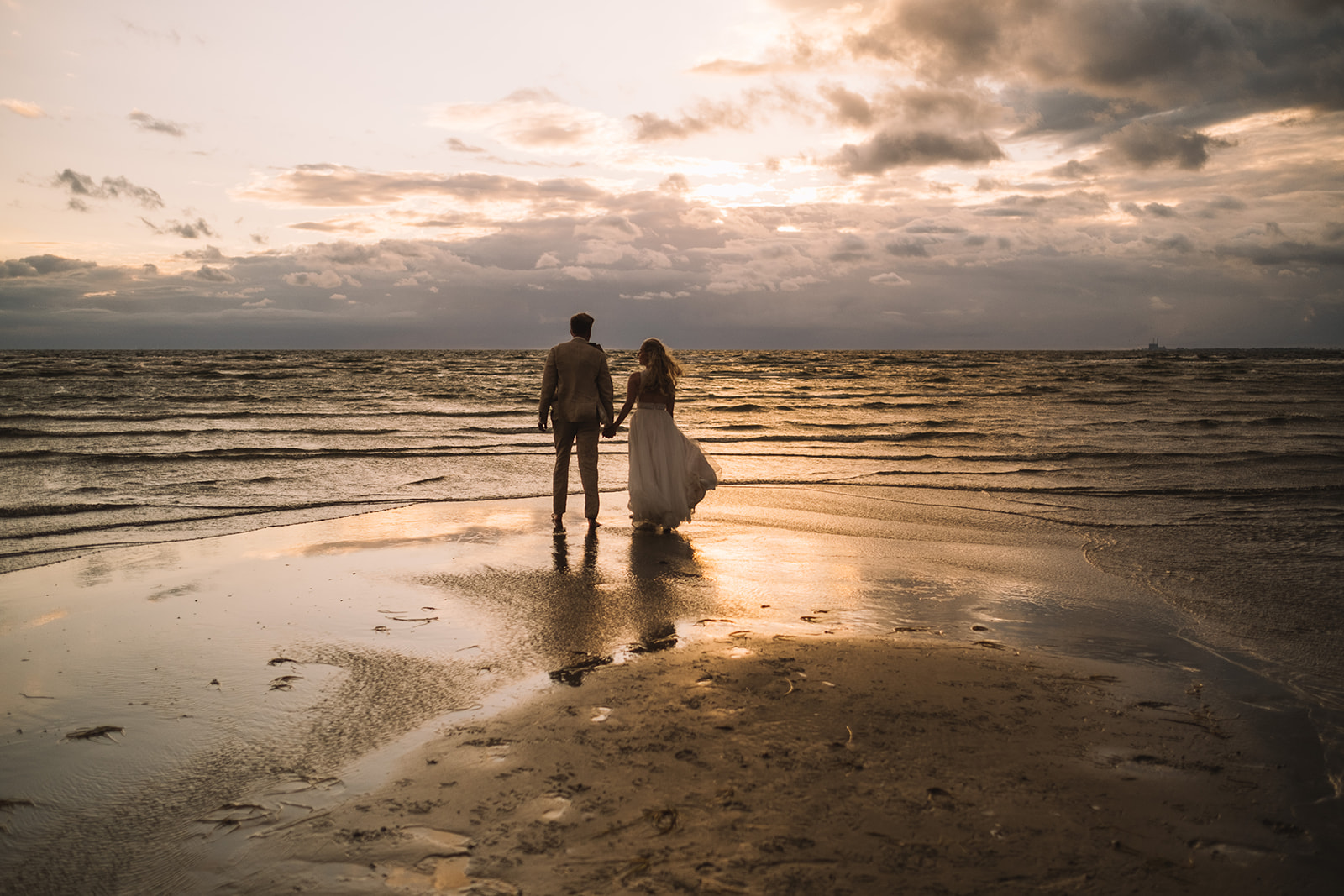
The coast north of Malmö is the other draw. Lomma sits on a bay so shallow you can wade out a long way and still be at your knees, which makes for a particular kind of evening light on wet sand. Falsterbo and Skanör at the southern tip have the best beaches in the country. None of this is dramatic in the way Lofoten is dramatic. It is farmland and weather and enormous skies, and it photographs far better than it sounds.
Stockholm
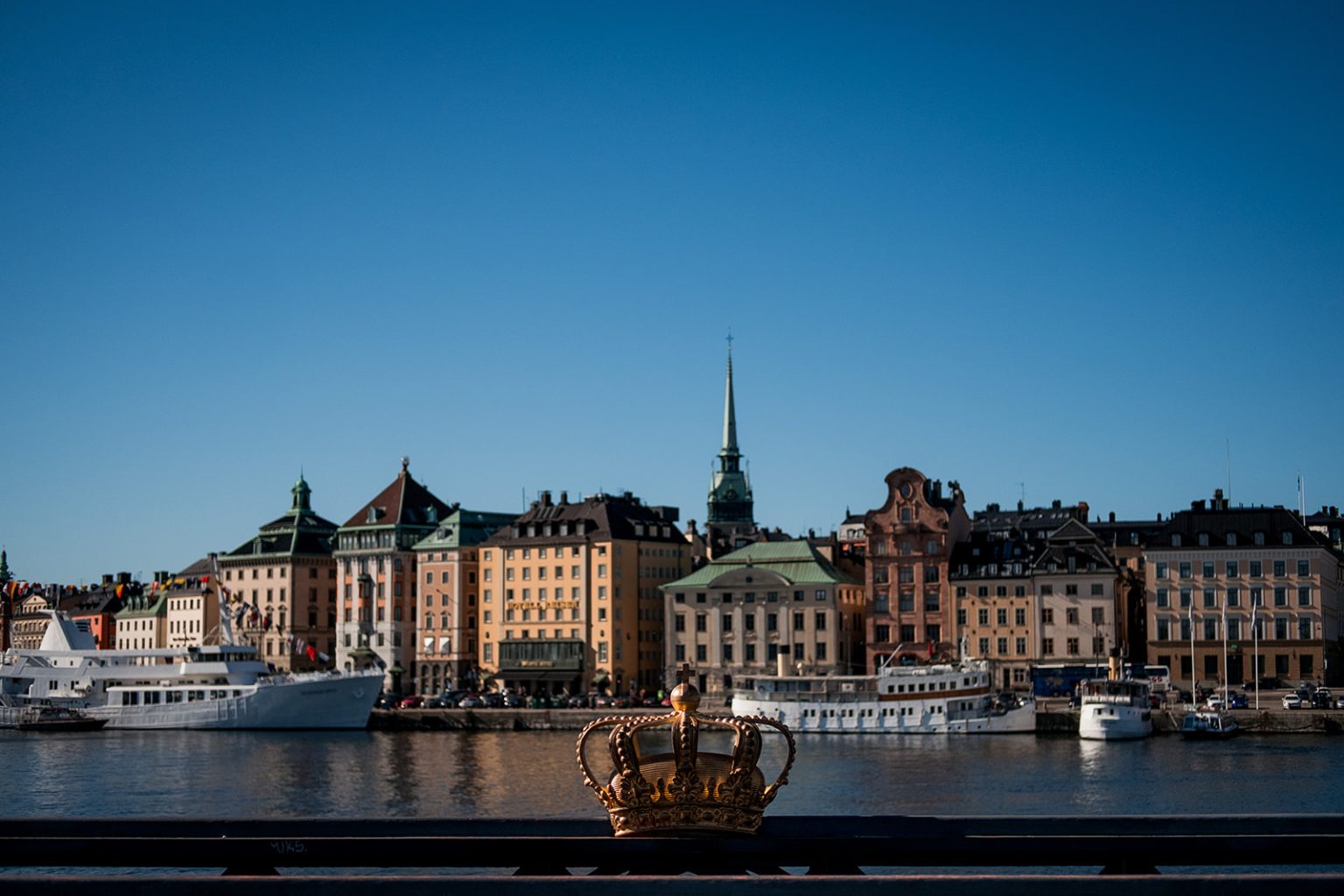
In the centre, the harbour does most of the work. Jenny and Tobias married at the Lydmar, which sits on the water in the old centre looking across at the islands, then crossed the harbour for dinner at Fotografiska, a former customs house on the opposite shore that is now a photography museum. Between the two there is a great deal of Stockholm to walk through, which is the argument for a city wedding here rather than a country one.
If you want the civil ceremony itself to be the landmark, the Stadshus does them, and Lisa and Olof did exactly that with nobody else in the room. A wedding at Stockholm City Hall costs 1 200 SEK, takes about five minutes, happens in the Oval Room, and can be conducted in Swedish or in English. You register at the Vault of the Hundred fifteen minutes before your slot. Book six to twelve months ahead because it is heavily oversubscribed, though cancellations come up and winter dates are far easier to get than summer ones. You still need a certificate of no impediment from Skatteverket first, the same as anywhere else in Sweden.
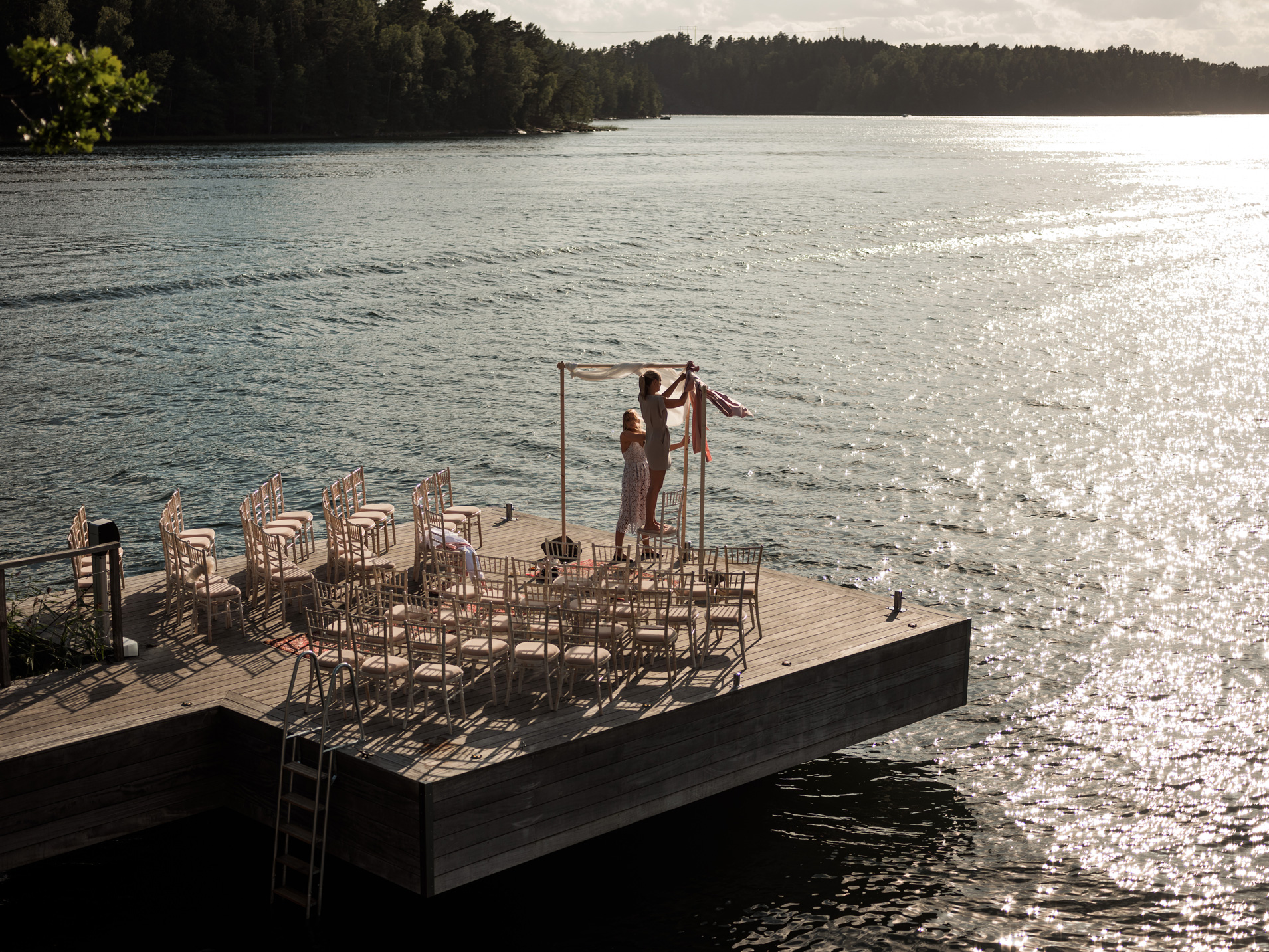
The archipelago is the other half of it, and it is less complicated than it sounds. People hear archipelago and picture chartered boats and tide tables. The inner islands are on the road network. Sheena and Daniel married at Villa Soludden on Värmdö, one of the larger islands, connected to the mainland by bridge, with white timber buildings, a garden and a jetty running out into the Baltic. Caroline and Freddie married at Saltsjöbaden, closer in again, and put their guests on a boat for part of the day because they wanted to, not because there was no road. Save the boats for the outer islands, where they genuinely are the only way through. Maria and Jesse married on Fejan, roughly three nautical miles east of Kapellskär on the shipping lane to Åland, at a sjökrog where the guests slept on the island because there was nowhere else to go.
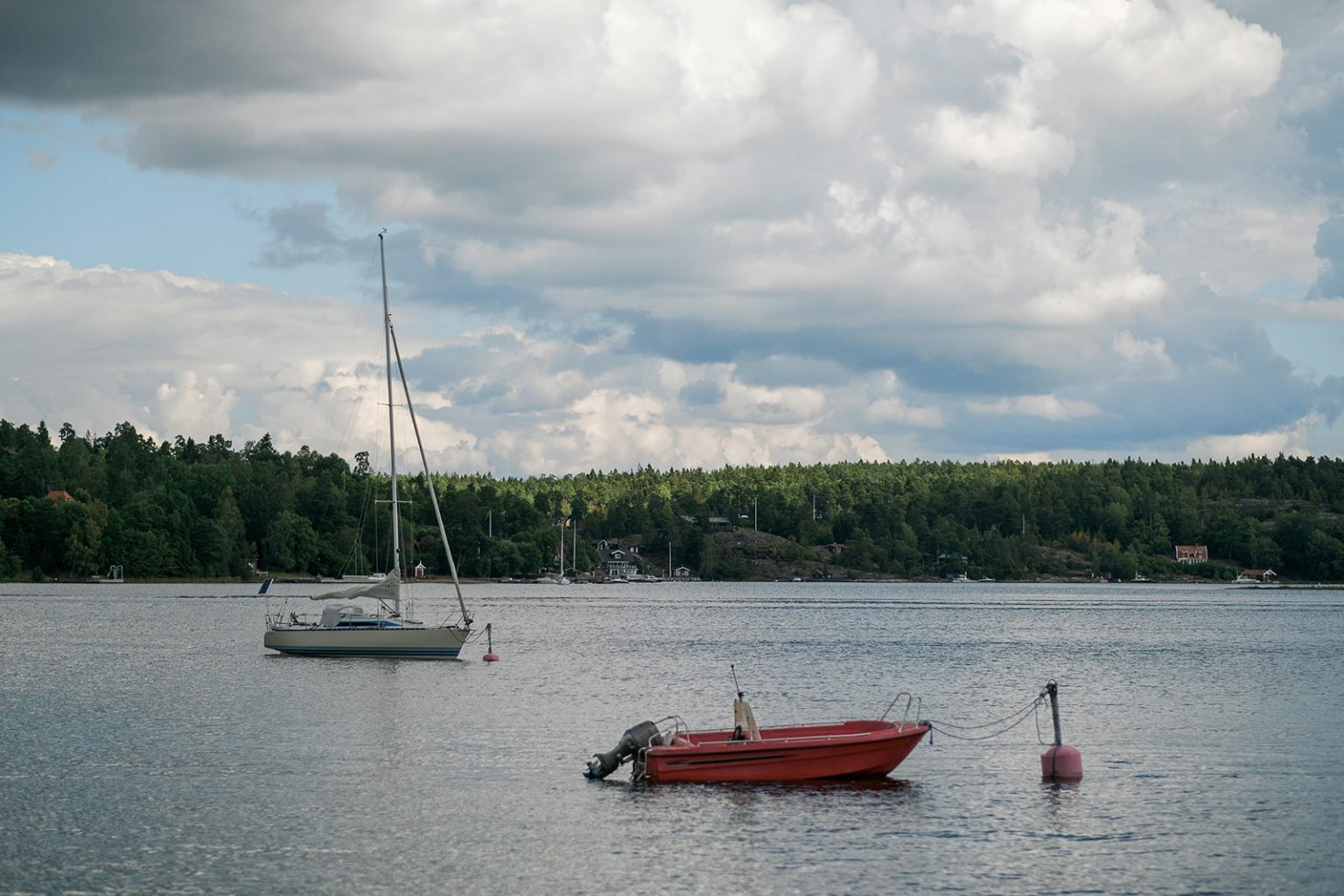
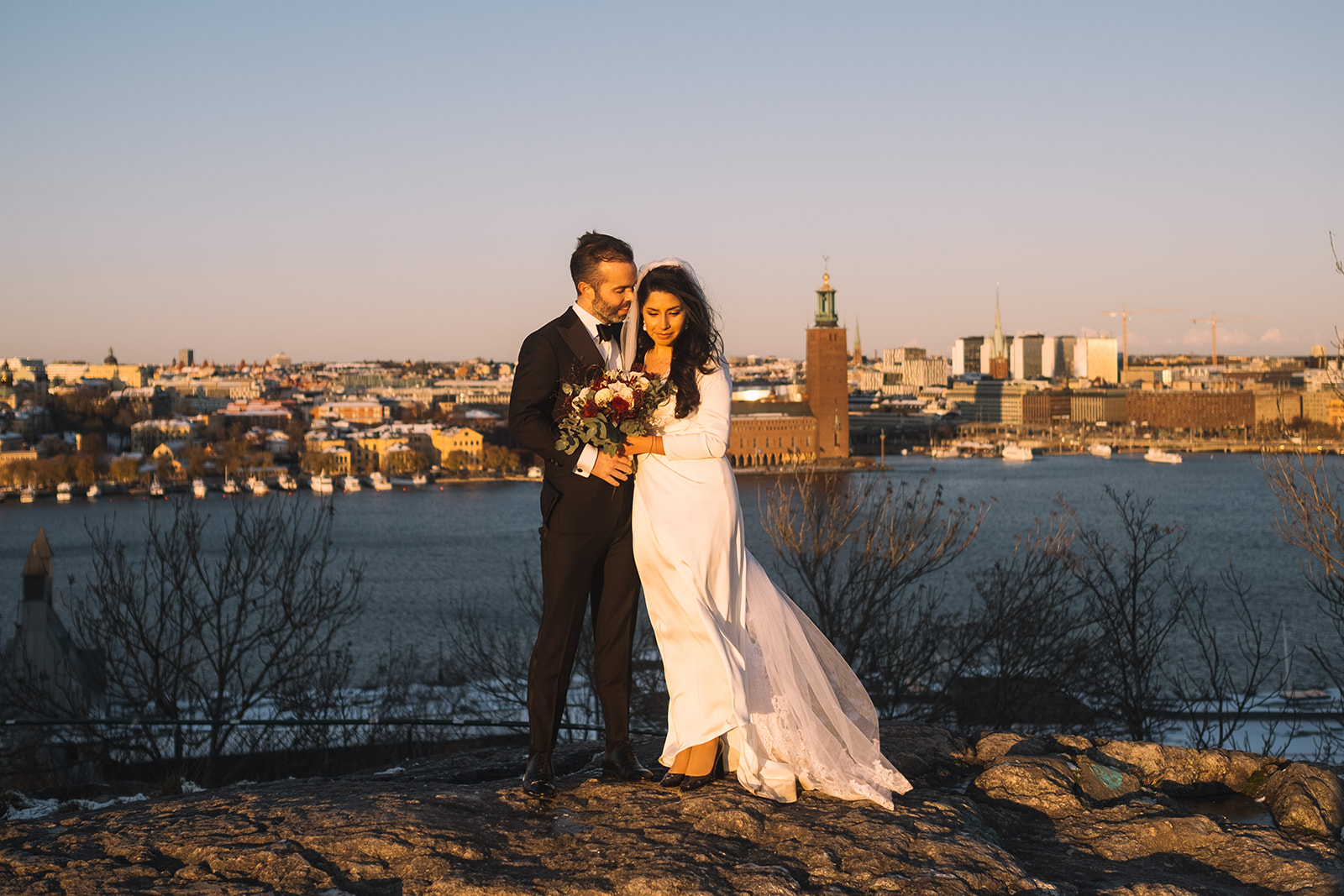
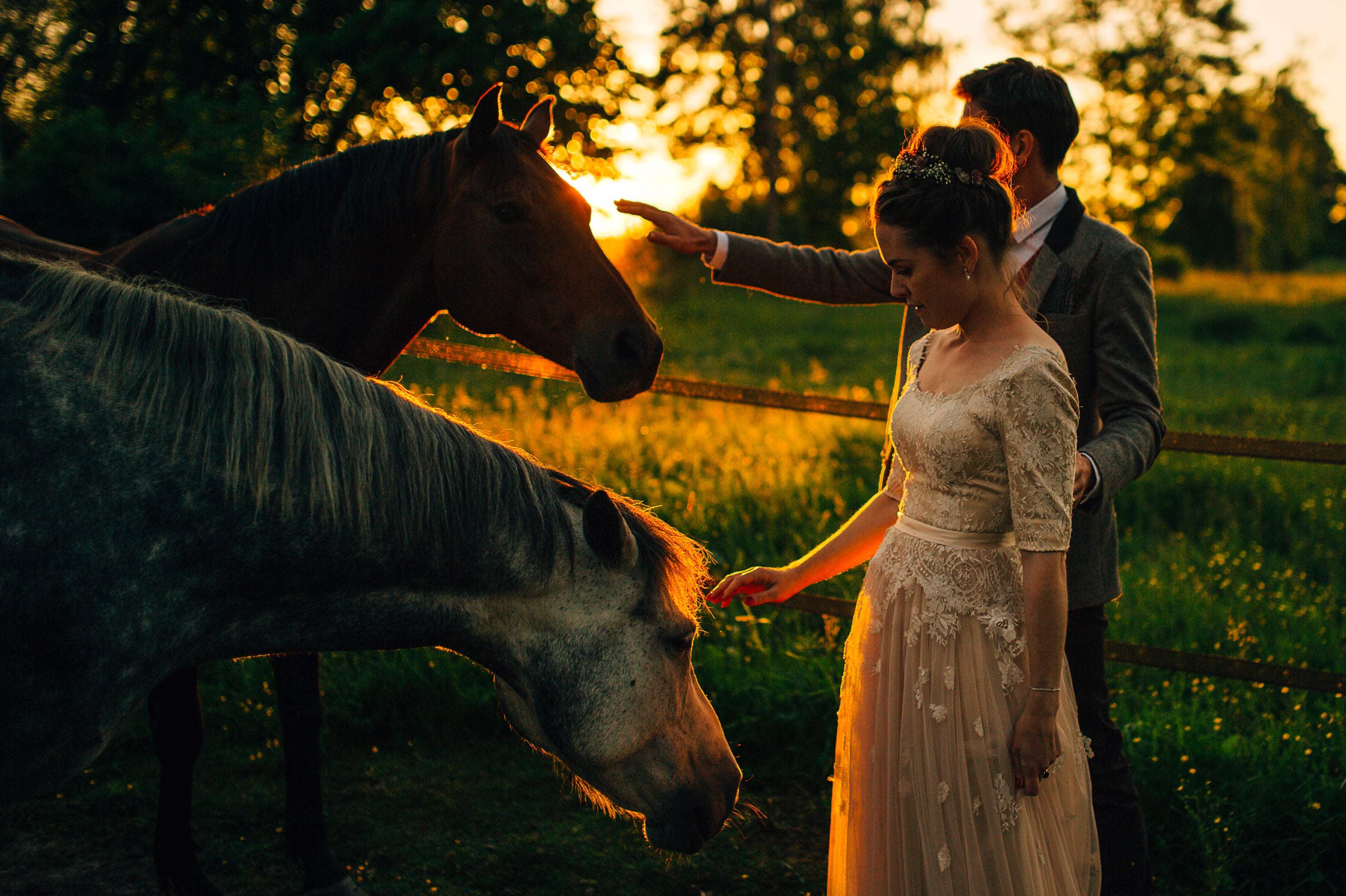
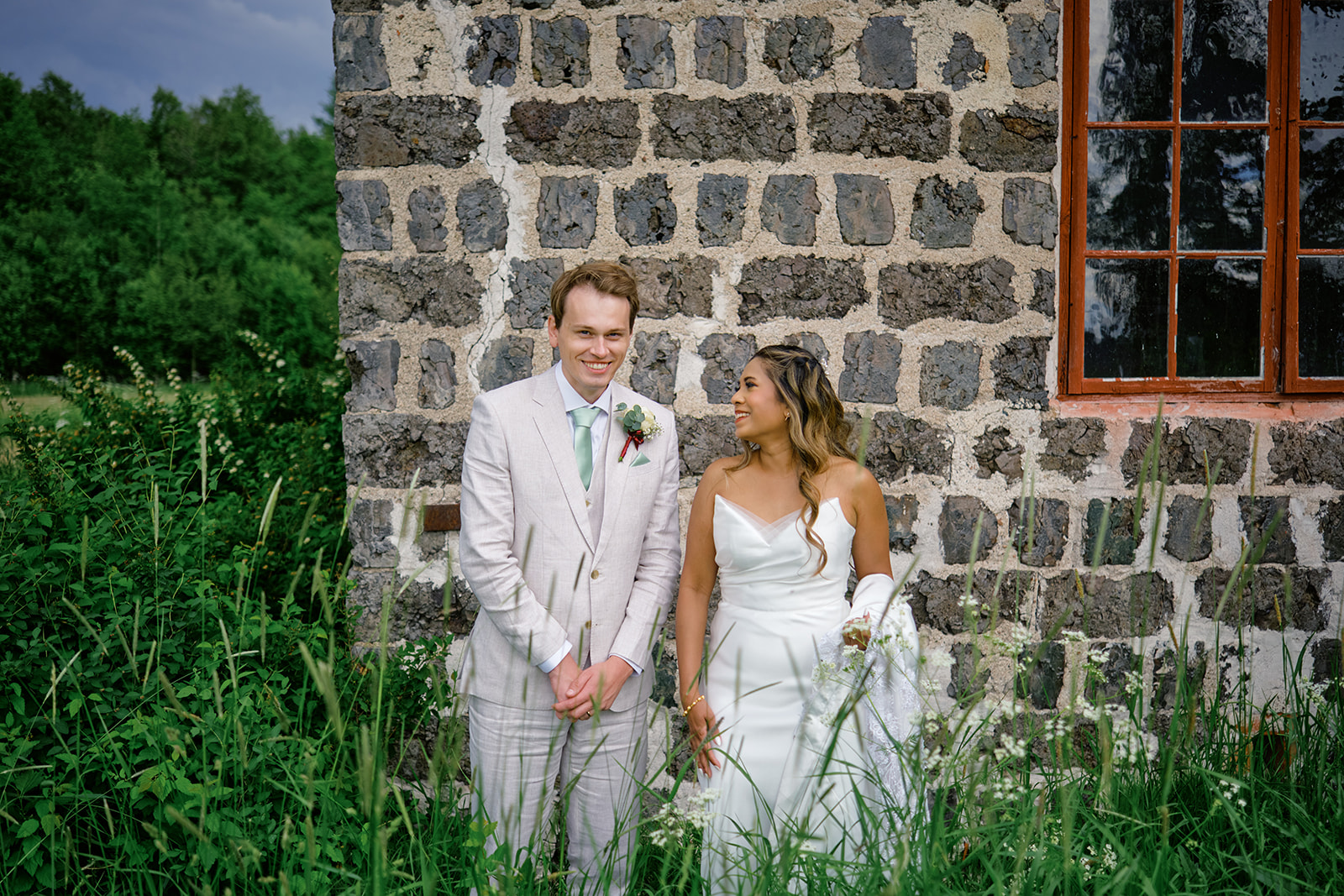
The weddings and elopements that got me here.

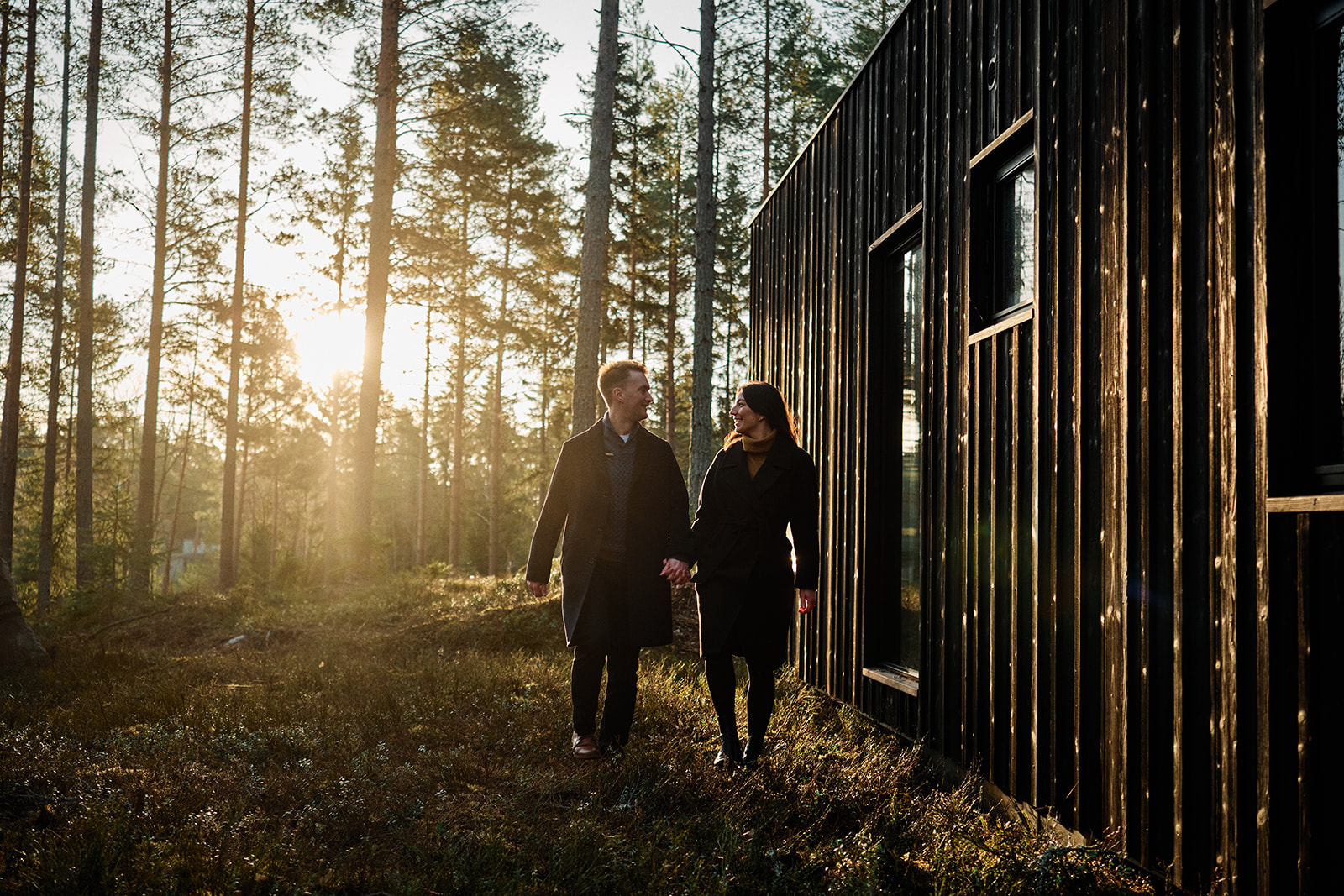
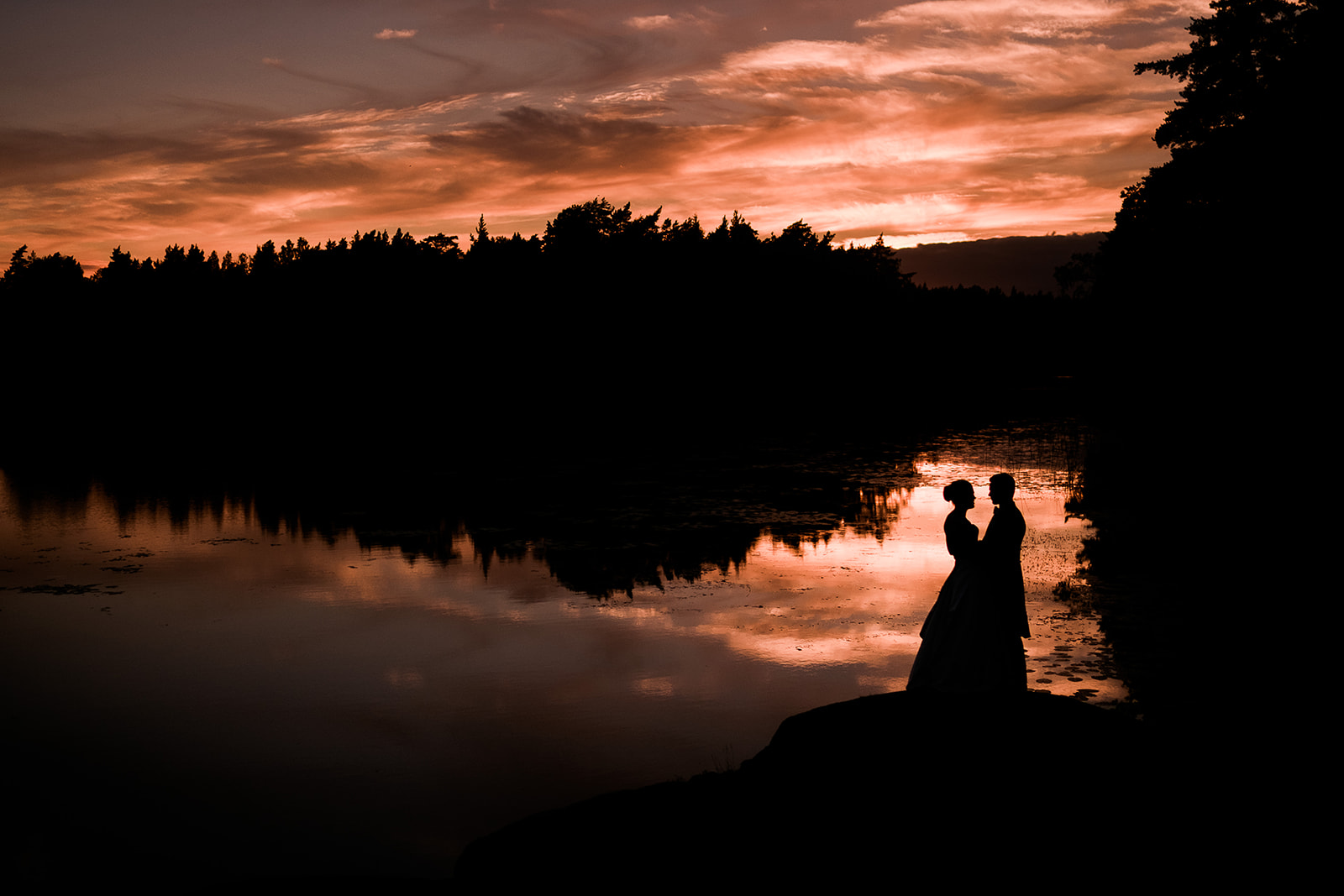


The north swings hard between two extremes, and the swing is the point. Deep winter, from December to March, brings snow, frozen rivers, the ICEHOTEL and the aurora, with January and February the coldest, often below minus ten and sometimes far colder. December is close to the polar night, when the sun barely rises and the aurora nights are long. High summer, late May to mid July, is the midnight sun, mild and green with twenty four hour light and no darkness for the lights. Autumn brings colour and the first aurora of the season. No one can promise you the lights, so come for the landscape and treat them as a bonus.
You fly to Stockholm, code ARN, then take a short domestic hop north to Kiruna, code KRN, the gateway for the ICEHOTEL at Jukkasjärvi; direct from the UK to Stockholm is about two and a half hours, and Stockholm to Kiruna about ninety minutes. There is also a night train that leaves Stockholm in the early evening and reaches Kiruna and Abisko the next morning, which is a lovely way to travel north while you sleep. Reckon on most of a day door to door.
Kiruna and the village of Jukkasjärvi are the hub for the ICEHOTEL and the surrounding wilderness. Abisko, a little further on, has the clearest skies in the region and the Aurora Sky Station, and is the base I would choose for the lights. Both put you deep in the snow with almost no light pollution. If you want the Nordic feeling without the Arctic extremes, the Stockholm archipelago and the south are gentler and easier, and simpler for a legal ceremony.
You drive on the right, and a car helps in the north for reaching frozen lakes and quiet forest on your own schedule. Winter tyres are the law whenever there is snow or ice, from the first of December to the end of March, and studded tyres are normal this far north; the rentals come fitted. Reindeer and elk really do wander onto the roads, so drive slowly, especially in the dark months. Distances are long and fuel stations sparse, so fill up when you can, and carry warm kit in case the day gets away from you.
Sweden is on the krona and it is one of the most cashless countries on earth; cards work everywhere, many places take no cash at all, and a UK contactless card is all you need. Tipping is not expected. The clocks are one hour ahead of the UK. The right to roam, allemansrätten, lets you walk and stand on open, uncultivated land, which is a gift when you are looking for a ceremony spot, as long as you keep your distance from homes and leave no trace. And build a fika, a proper coffee and cake stop, into a cold day; it is the local way to warm back up.
You have two ways to do this. Marry legally in Sweden, with the Swedish paperwork behind it, or sign the legal marriage quietly at home and hold a symbolic ceremony here in the snow. Plenty of couples choose the second, because it frees you from the admin and lets you marry anywhere the light is good. If you want the marriage itself to happen on Swedish ground, here is how it works. I have written the full legal detail in my complete guide for foreigners, and the eloping side of it in my guide to eloping in Sweden.
Everything runs through the Swedish Tax Agency, Skatteverket. You apply for a hindersprövning, a check that nothing stands in the way of the marriage, on form SKV 7880, and it is free. Once approved, Skatteverket sends you a certificate of no impediment and a wedding certificate for your officiant. That certificate is valid for four months and cannot be extended, so do not start too early. After the ceremony the officiant returns the form and the marriage is registered.
You do not need to live in Sweden or be registered here to marry, which is the part most couples are relieved to hear. If you are not in the Swedish population register, you send Skatteverket a passport or ID and a marital status certificate from an authority in your own country, showing you are free to marry and issued within the last four months. If you have been married before, add the divorce decree or the death certificate. Allow a few weeks, and longer if the documents have to travel.
The ceremony is carried out by an authorised officiant, a vigselförrättare, with two witnesses present. It can be held almost anywhere, which this far north means a frozen lake, a clearing in the forest, or the ice of the ICEHOTEL, and it can be conducted in English. The legal part takes minutes. Everything after that is yours.
Once you are married you will want it recognised in your own country. Ask for the marriage certificate, and depending on where you are from you may need an apostille, which a Swedish notarius publicus issues, and a translation. Check what your own authorities ask for before you fly home, not after.
Yes, and Sweden keeps it sensible: you apply to Skatteverket for a consideration of impediments, bring the certificate to an authorised officiant, and a civil ceremony at the local kommun costs little or nothing. The full walkthrough, paperwork and all, lives in my guide to getting married in Sweden as a foreigner.
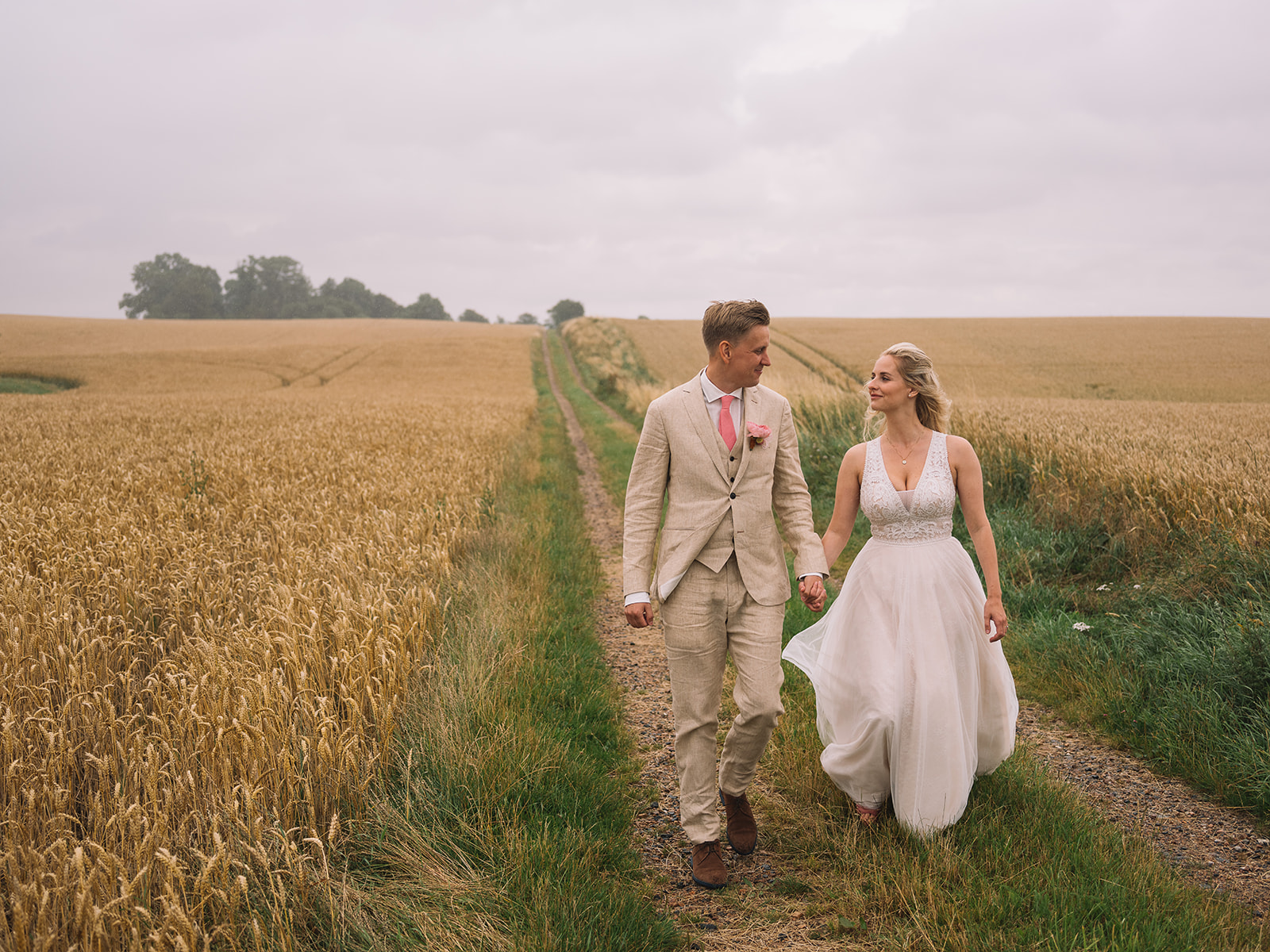
Midsummer, if you want the light that never really leaves: Caroline and Freddie took the archipelago in July and the evening lasted until morning. Deep winter, if you want the opposite: Sam and Rob chose the dead of winter on purpose and got a frozen sea to themselves.
The hotel is rebuilt from river ice every winter and melts back into the Torne every spring, so the room you marry in has never existed before and never will again. Ceremonies run in the ice chapel through the cold months. This is what it looks like. Book the season, then the date.
No. Some of my favourite Swedish days skipped the venue entirely: a cabin on the coast, a sauna, a frozen sea or a summer jetty. Evelyne and Oskar did exactly that, and the day never once felt small. Nor does it have to be a building that has ever done this before. Erika and Romain held the first wedding the barn at Beckershof had ever seen, under the birches on a farm outside Katrineholm, and nobody there felt they were missing a venue.
Gothenburg is the base. North of it Bohuslän gives you Marstrand, Smögen and Fjällbacka, red houses on bare pink granite. South of it the coast flattens into islands and bays, and that is where the bathhouses are, including Hovås Kallbadhus, fifteen minutes from the centre, seating around 150 for dinner out over the water. Churches like Släps kyrka in Särö sit within twenty minutes of most of it, so a church ceremony and a sea reception is an easy pairing here in a way it is not further north. Viktoria and Paul did precisely that.
Yes, and it is worth prioritising if family is flying in. Gysinge Herrgård on the lower Dalälven sleeps 107 with its own restaurant and café, so an international guest list can stay put for several days without taxis or a second hotel. Manor houses and old ironworks estates are generally your best bet for this in Sweden. Coastal and archipelago venues more often expect guests to sleep elsewhere. Pavi’s family came from Singapore and stayed three days.
Skåne, in the far south. Fly everyone into Copenhagen rather than a Swedish airport. The train from Copenhagen Airport crosses the Öresund Bridge and reaches Malmö in twenty two minutes, running every twenty minutes through the day. Most European guests will find that shorter than reaching Stockholm, and far shorter than reaching the north. Worth saying on the invitation, because people assume a Swedish wedding means a connecting flight. Alice and Marcus married an hour from that airport.
Yes, and it is open to foreign couples. A civil ceremony at Stockholm City Hall costs 1 200 SEK, takes about five minutes, is held in the Oval Room, and can be conducted in Swedish or in English. You register at the Vault of the Hundred fifteen minutes before your slot. Book six to twelve months ahead because it is heavily oversubscribed, although cancellations appear and winter dates are far easier to get than summer ones. You still need a certificate of no impediment from Skatteverket first, the same as anywhere else in the country. Lisa and Olof married there with no guests at all.