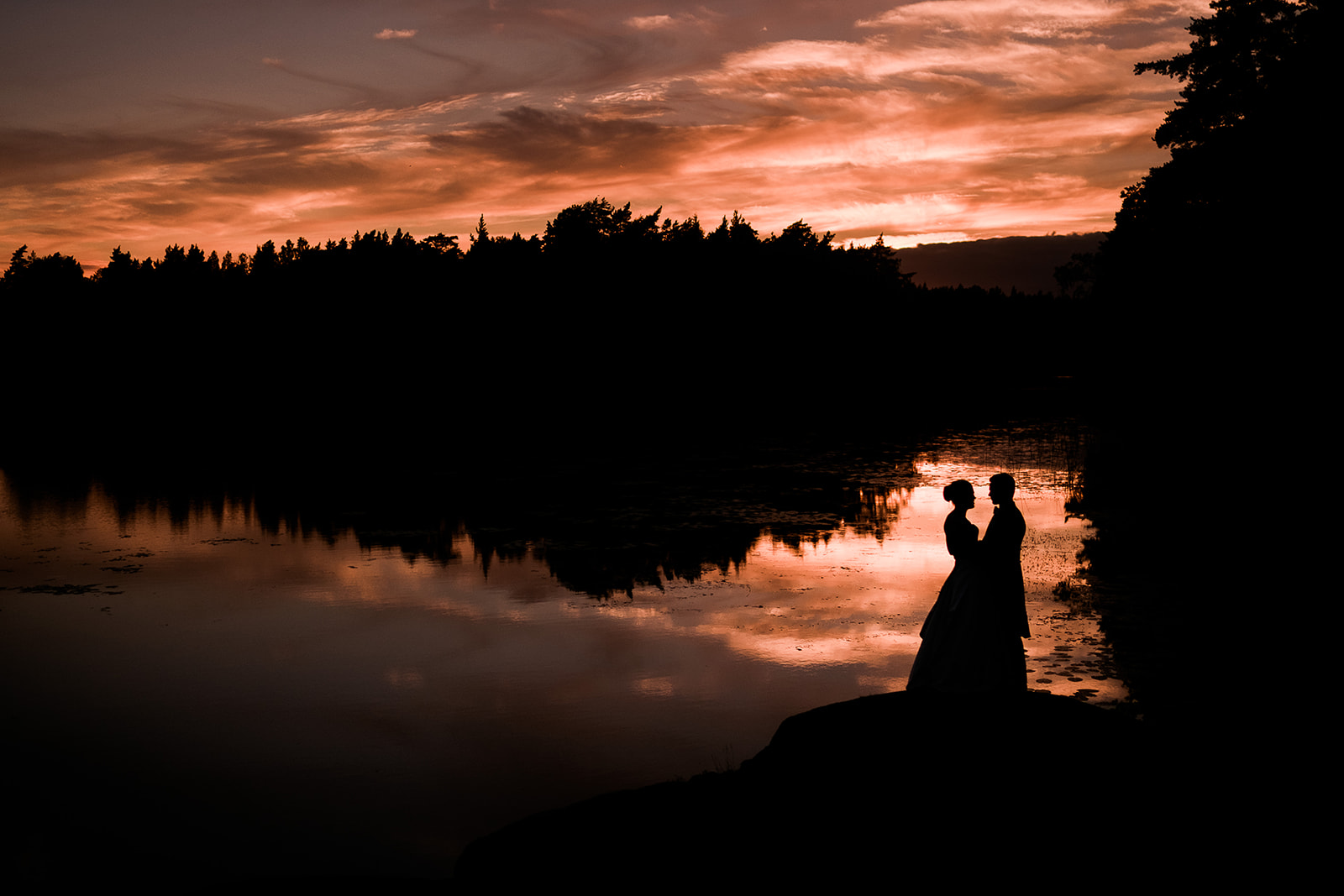
Where to elope or marry on this continent, from someone who has photographed most of it.
Since 2008 I have photographed weddings in lava fields, fjords, city halls, cloud forests and one castle on a car-free island. This page is the map: where Europe does its best work, and which corner might be yours.
i
The Nordics
Midnight sun · polar night
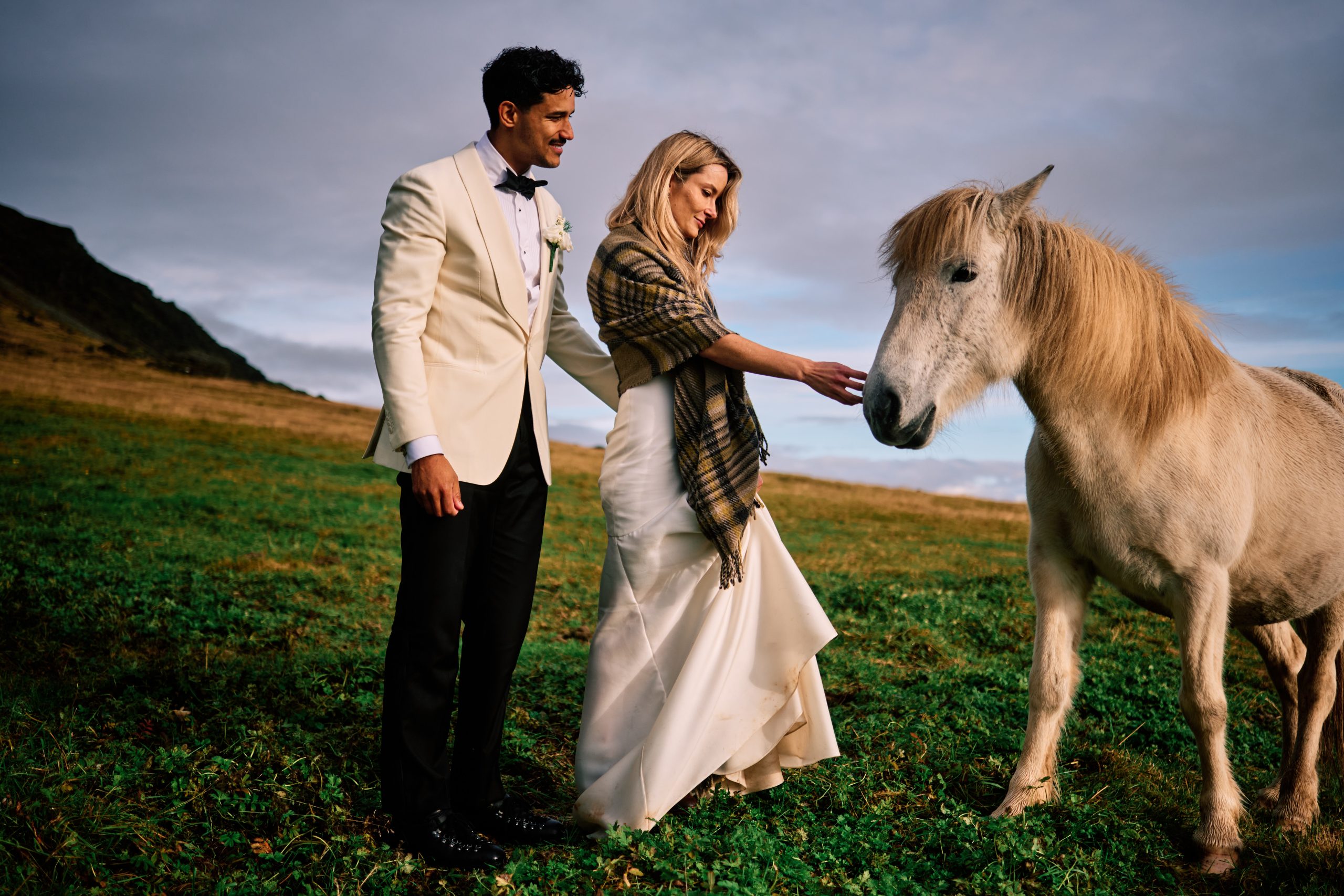
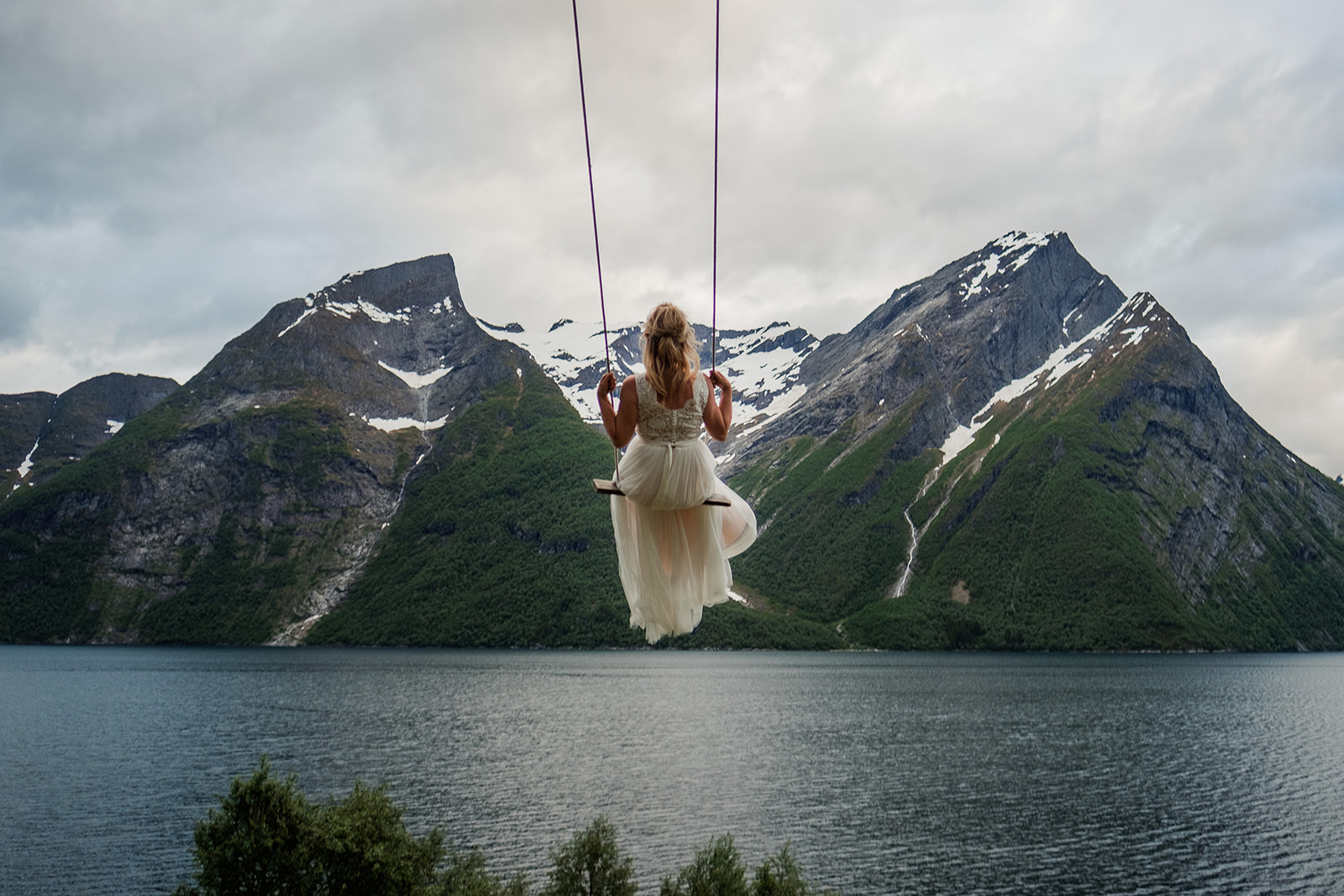
Iceland, Norway and Sweden trade in extremes: sun that never sets in June, winters that barely brighten, and landscapes with nobody in them. The paperwork is friendlier than the weather, and the weather is the point.
Portugal’s islands are the continent’s wild edge: cloud forest and 1,800-metre sunrises on Madeira, crater lakes and sideways rain in the Azores, and volcanic Lanzarote further south for winter light.
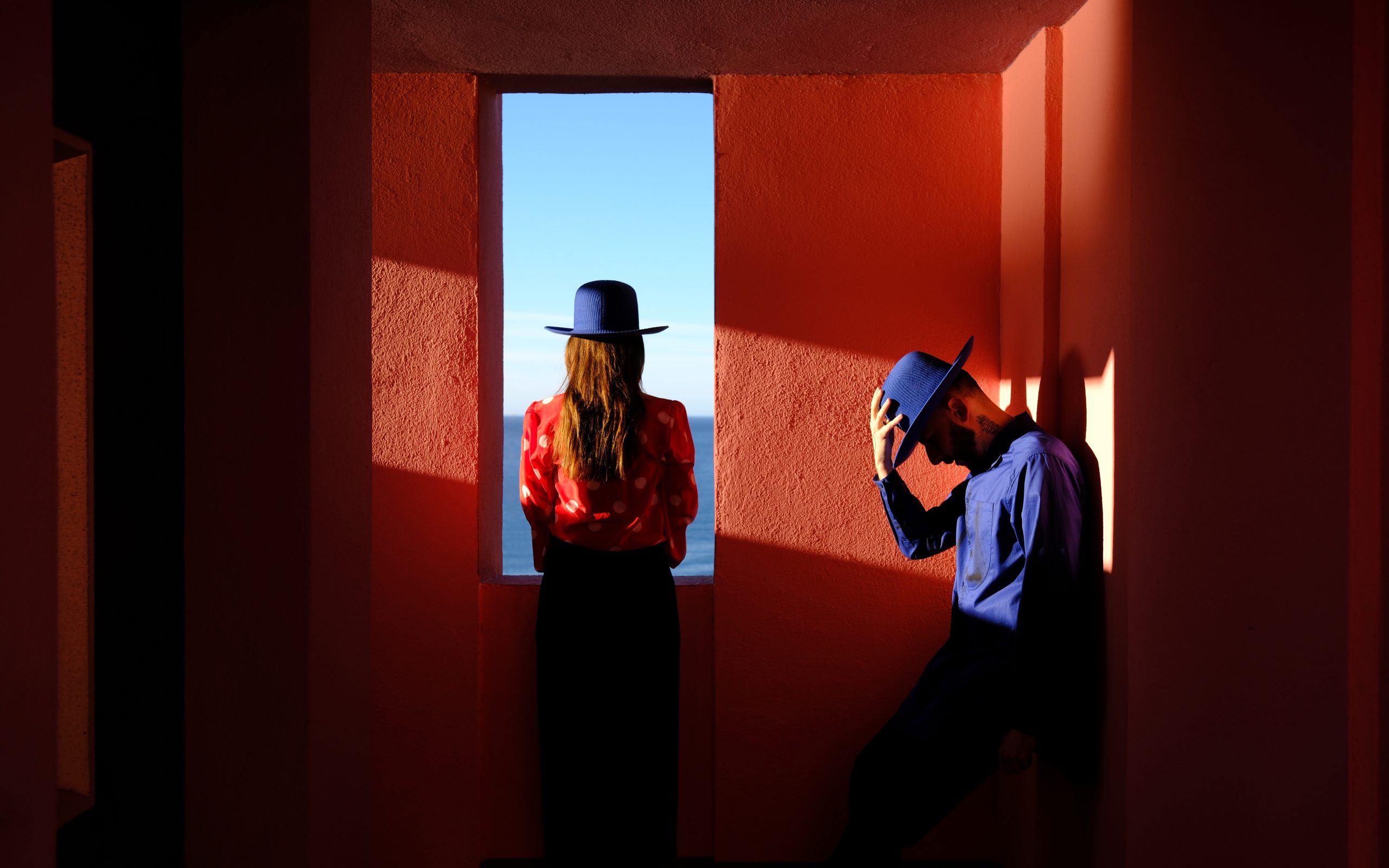
The middle sea does golden evenings better than anywhere, and its islands hide more wildness than the resorts suggest: the Tramuntana above Mallorca, pink postmodern Muralla Roja on the Calpe coast, and the volcanic Aeolians off Sicily.
Rome before it wakes, the Tuscan and Umbrian hills, the lakes, Puglia and the islands: Italy is a continent inside a country, and it earned a full guide covering all of it, legality included.
Getting Married in Italy is the place to start, and if the mountains are what pull you, keep going to the next section.
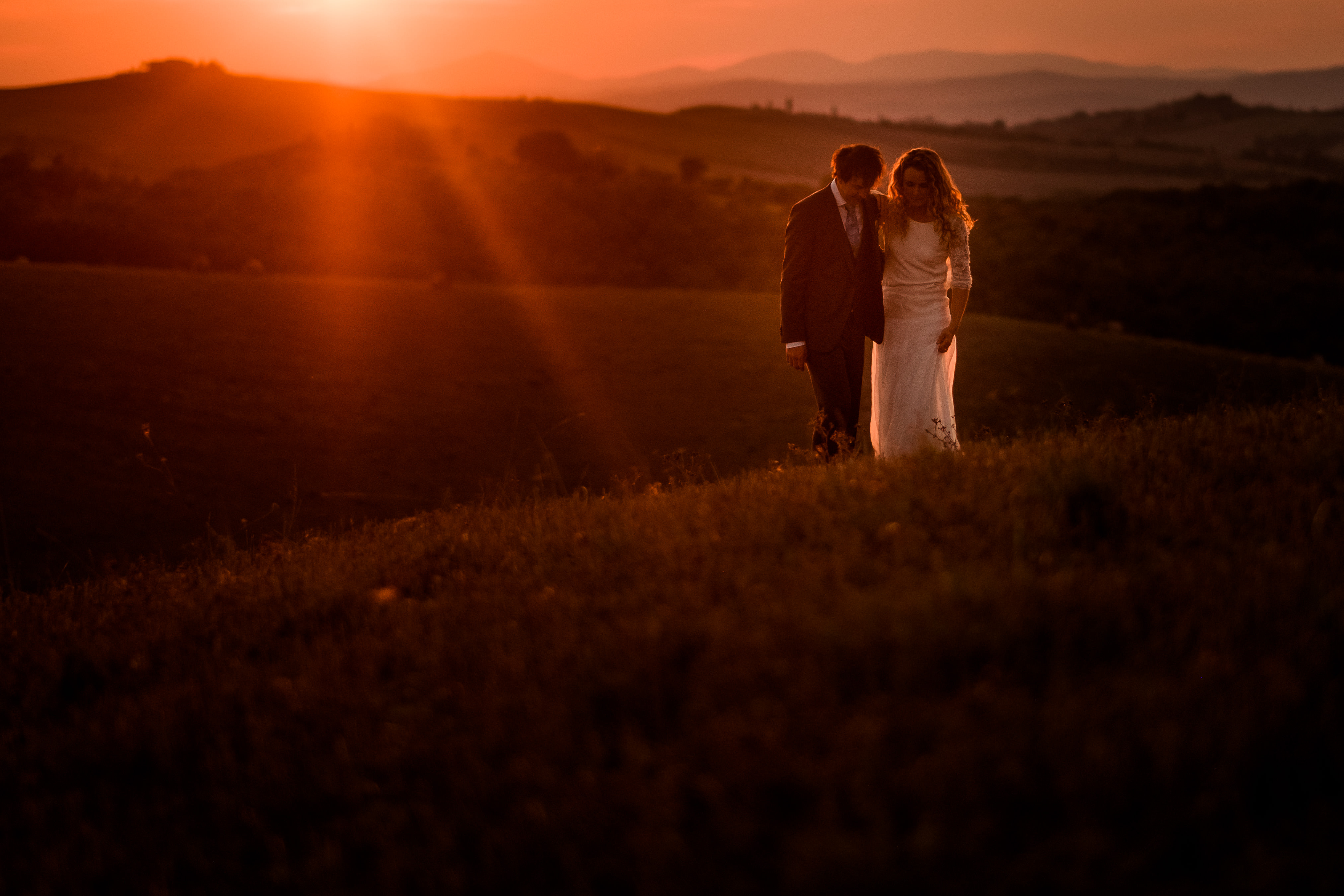
Tuscany, the long evening
v
The mountains
The Dolomites · high passes and rifugios
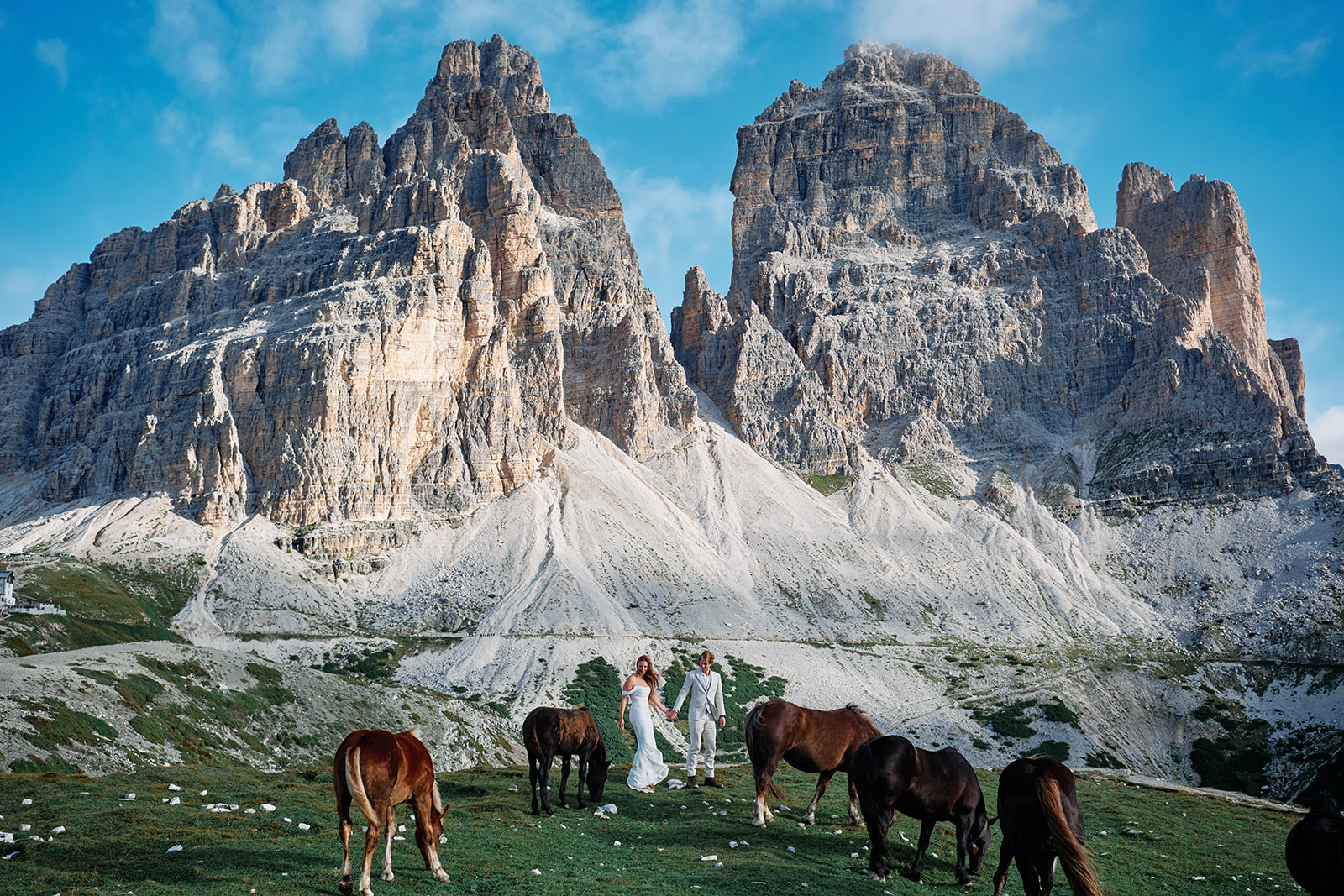
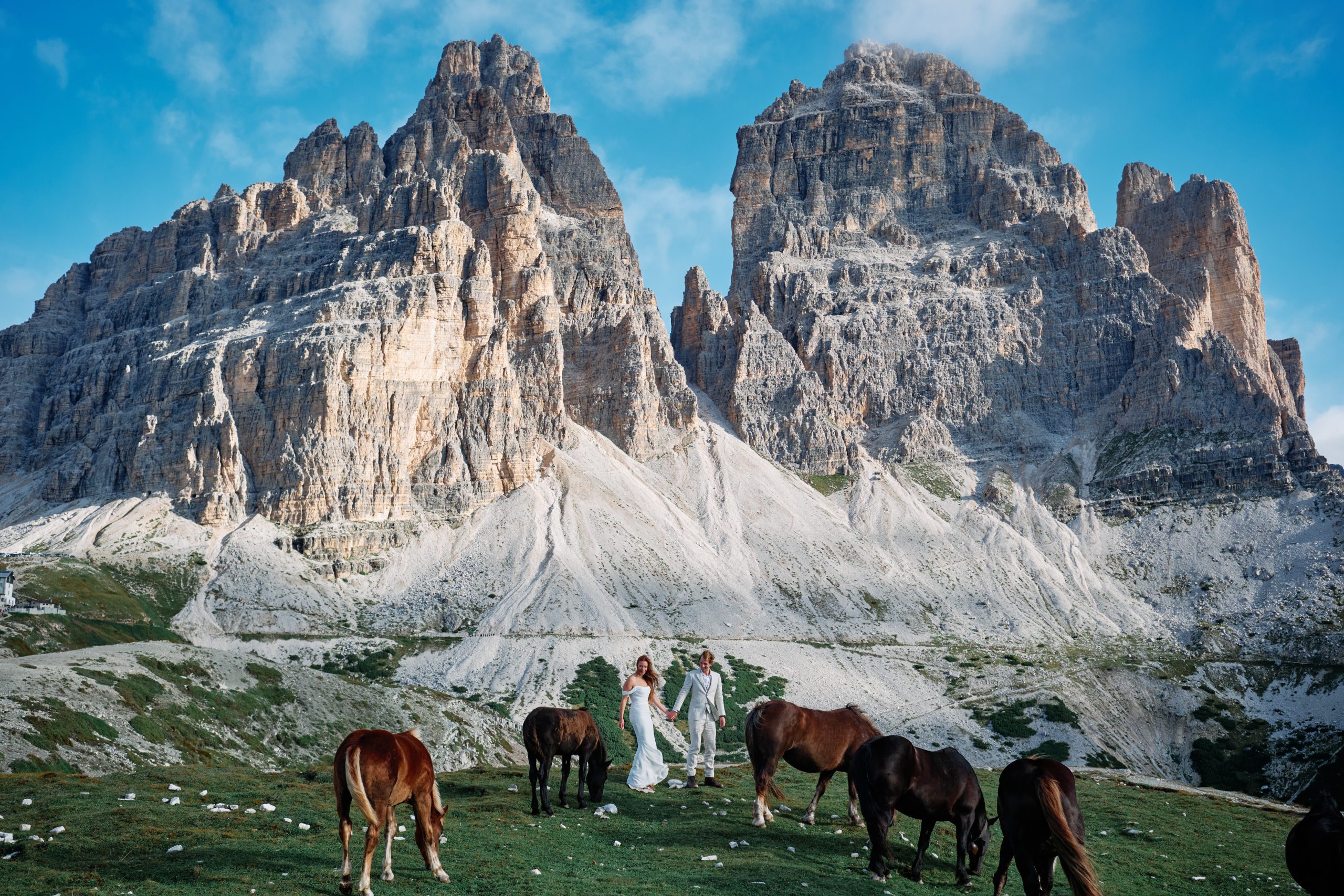
The pale mountains of northern Italy are, photographically, the strongest landscape in Europe: sunrise on limestone walls, meadows full of loose horses, cable cars to ridiculous views and rifugios to sleep in when the light is done.
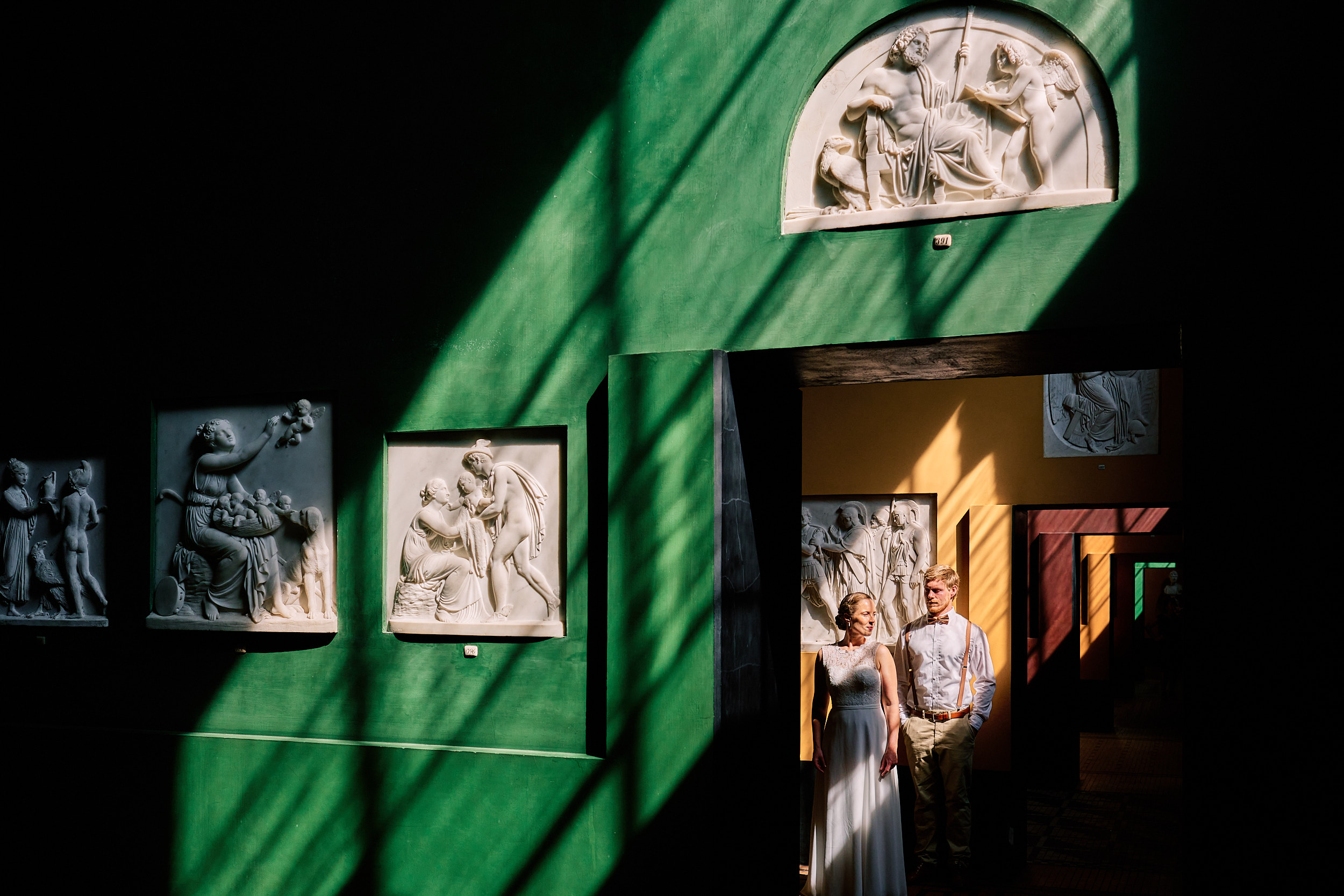
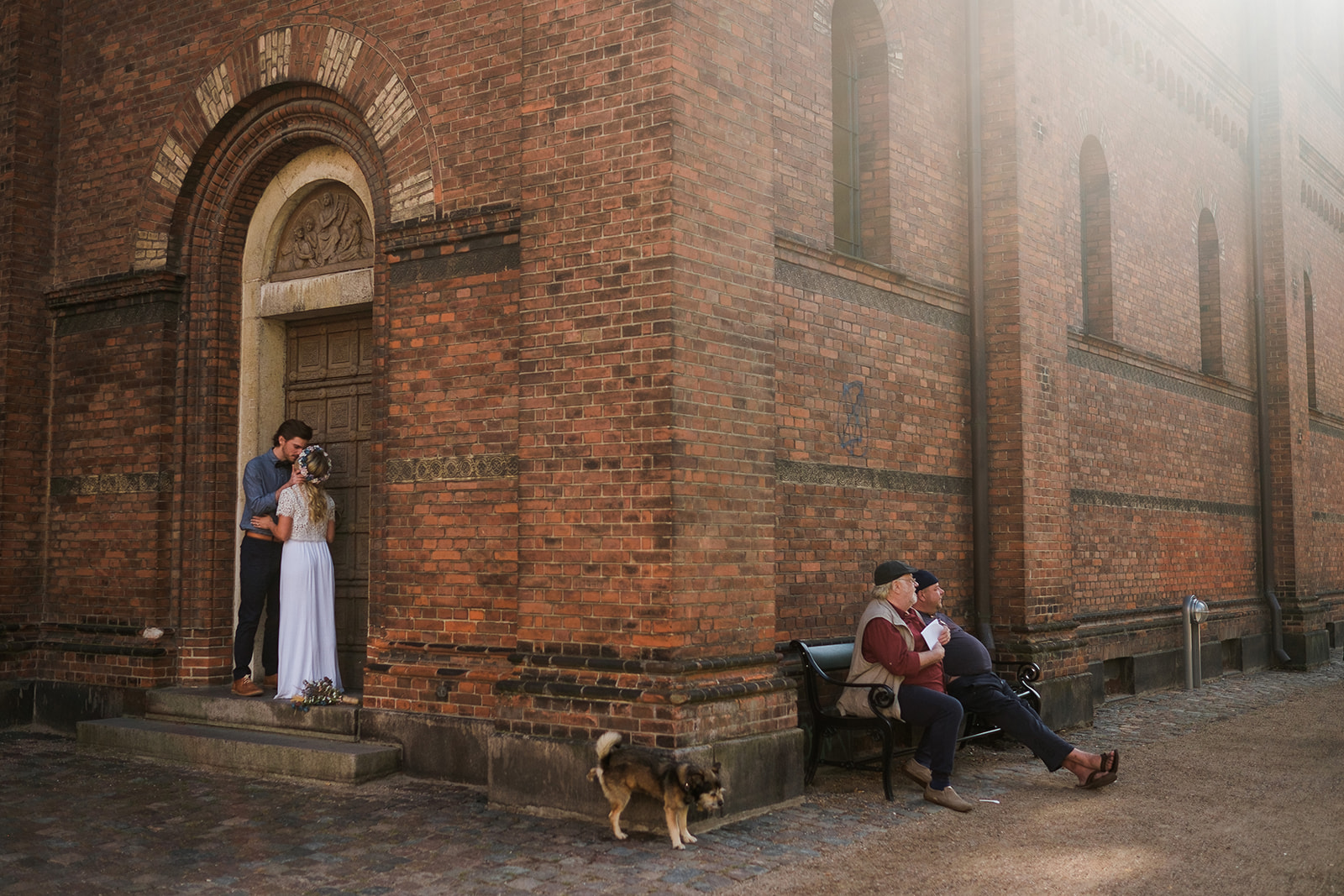
City weddings are the underrated ones: marry in the morning and the whole town becomes the venue. Copenhagen is Europe’s easiest legal shortcut, Berlin does cool without trying, and Lisbon gives you hills, tiles and Atlantic light.
Some places I have photographed once and think about often, from a tin roof in Chile that started the whole travelling habit to coasts and islands scattered across this continent.
What I would tell you before you choose a country.
Where the paperwork is easy
Denmark is the continent’s shortcut: approval for about 2,100 DKK and a City Hall ceremony inside a couple of months. Iceland, Portugal, Sweden and Norway all marry foreigners without residency, with varying lead times. Italy takes three to six months of Nulla Osta patience. Spain is the honest exception: civil weddings need residency, so couples celebrate there and sign elsewhere.
When to go where
June and July belong to the Nordics and the mountains; May, September and October to the Mediterranean and Italy; the Atlantic islands work almost year round; and winter belongs to Lapland, Lofoten and Iceland, for the couples who mean it.
How I work, wherever it is
One day, sunrise to sunset, built around light rather than a timeline. I fly in early enough to scout, the day pivots when the weather argues, and the photographs exist because the day was actually good, not because it was staged to look it.
The questions couples actually ask.
Where in Europe is it easiest to get legally married?
Denmark, and it is not close. Approval runs through the Agency of Family Law for about 2,100 DKK, answers come within roughly a week, and Copenhagen City Hall does the rest in ten minutes. That is why couples from everywhere fly in to sign there, then celebrate in whichever country owns their imagination.
Where should we elope if we want the midnight sun?
Above the Arctic Circle in June: Lofoten holds the sun from roughly 28 May to mid July, and the whole Nordic north glows through the night either side of those dates. It rewires a wedding day completely, because the light simply never tells you to stop.
What about a winter wedding?
Choose your cold: the ICEHOTEL in Swedish Lapland, rebuilt from river ice every year; Lofoten’s blue-gold hours with aurora on clear nights; or Iceland, where Brittany and Jeff married in the snow. Winter asks more planning and repays it with emptiness no summer date can buy.
How far ahead should we start planning?
Paperwork sets the floor: days for Denmark, weeks for Iceland and Sweden, two to three months for Norway, three to six for Italy. On top of that, the good photographers and the small hotels book out a year ahead for peak dates. Twelve months is comfortable; less is possible if you are flexible about where.
Is one day really enough?
It is the whole idea. One full day, sunrise to sunset, in a place that deserves it, beats a weekend of scheduled moments. Every guide on this site is built around what a single day can hold, because that is how I photograph and how the best days I have witnessed actually ran.
If somewhere in Europe is on your mind, tell me about it. I would love to help you find the corner that is yours.